
Building in a National Landscape: What You Should Know
Building a home in one of Britain's most beautiful landscapes is a privilege. Whether you're planning a contemporary new home, replacing an existing dwelling, extending a period property or converting a rural building, designing within a protected landscape comes with unique opportunities—and responsibilities.
Formerly known as Areas of Outstanding Natural Beauty (AONBs), these protected areas are now officially referred to as National Landscapes. While the name has changed, their purpose remains the same: to conserve and enhance some of England, Wales and Northern Ireland's most valued countryside.
At AR Design Studio, we've successfully delivered a number of projects within National Landscapes. Through careful design, detailed planning strategies and a deep understanding of the landscape, we've helped clients realise ambitious homes that respond positively to their surroundings.
What is a National Landscape?
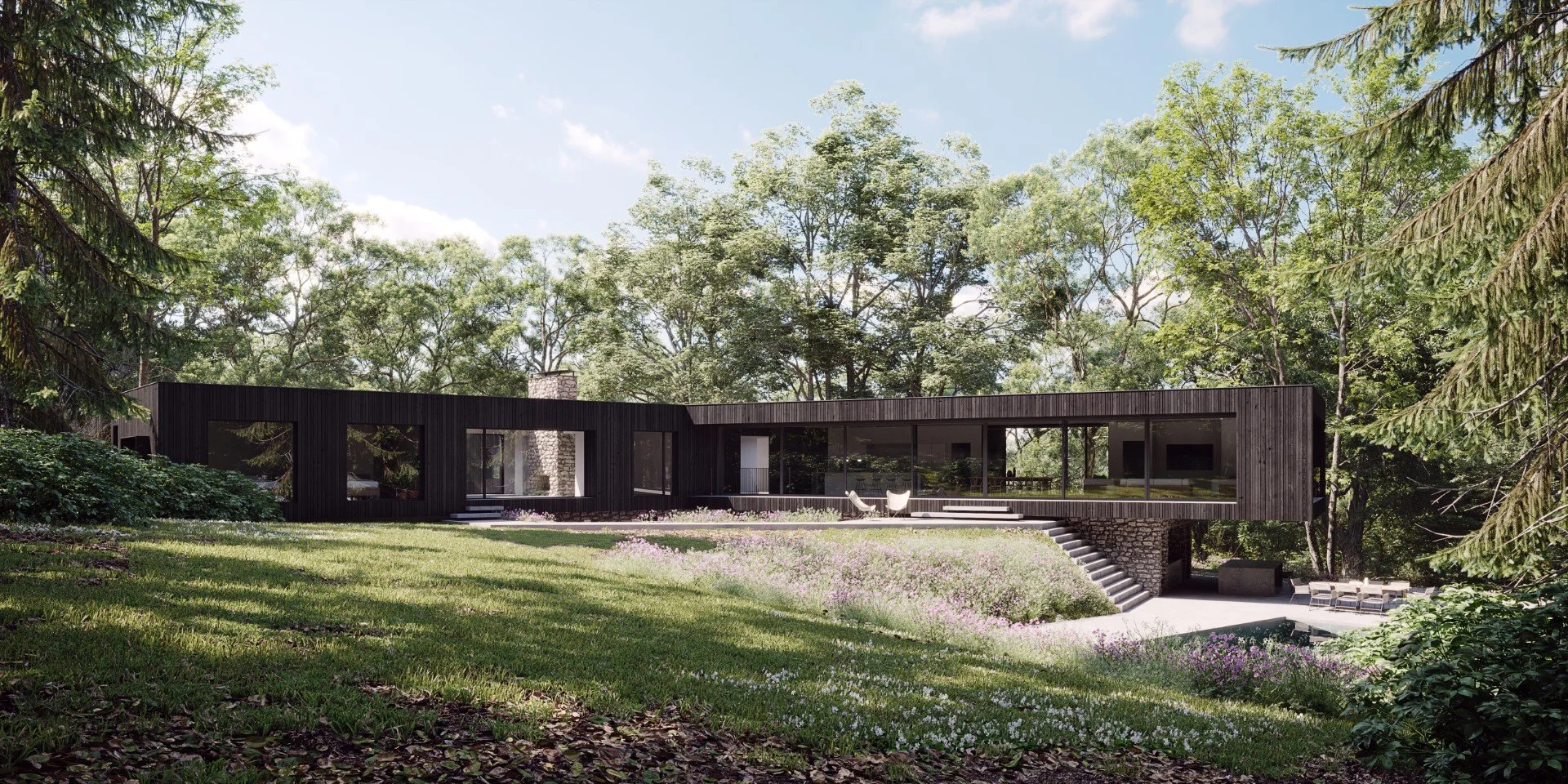
National Landscapes are designated areas recognised for their exceptional natural beauty. They receive the highest level of protection in planning policy, alongside National Parks, meaning any new development is assessed not only on its design quality but also on its impact on the wider landscape.
This doesn't mean development isn't possible. It simply means proposals must demonstrate that they respect, conserve and often enhance the character of the area.
Expect Greater Planning Scrutiny
Applications within a National Landscape are generally subject to more detailed assessment than those elsewhere.
Planning officers will consider questions such as:
How visible is the proposal from the surrounding landscape?
Does it preserve or enhance local character?
How does it respond to the site's topography, vegetation and existing buildings?
Are the materials appropriate to the local context?
Can the environmental impact be minimised?
This additional scrutiny makes early design work and a clear planning strategy particularly important.
Every Site Should Be Landscape-Led
One of the biggest misconceptions is that buildings within protected landscapes must imitate traditional architecture.
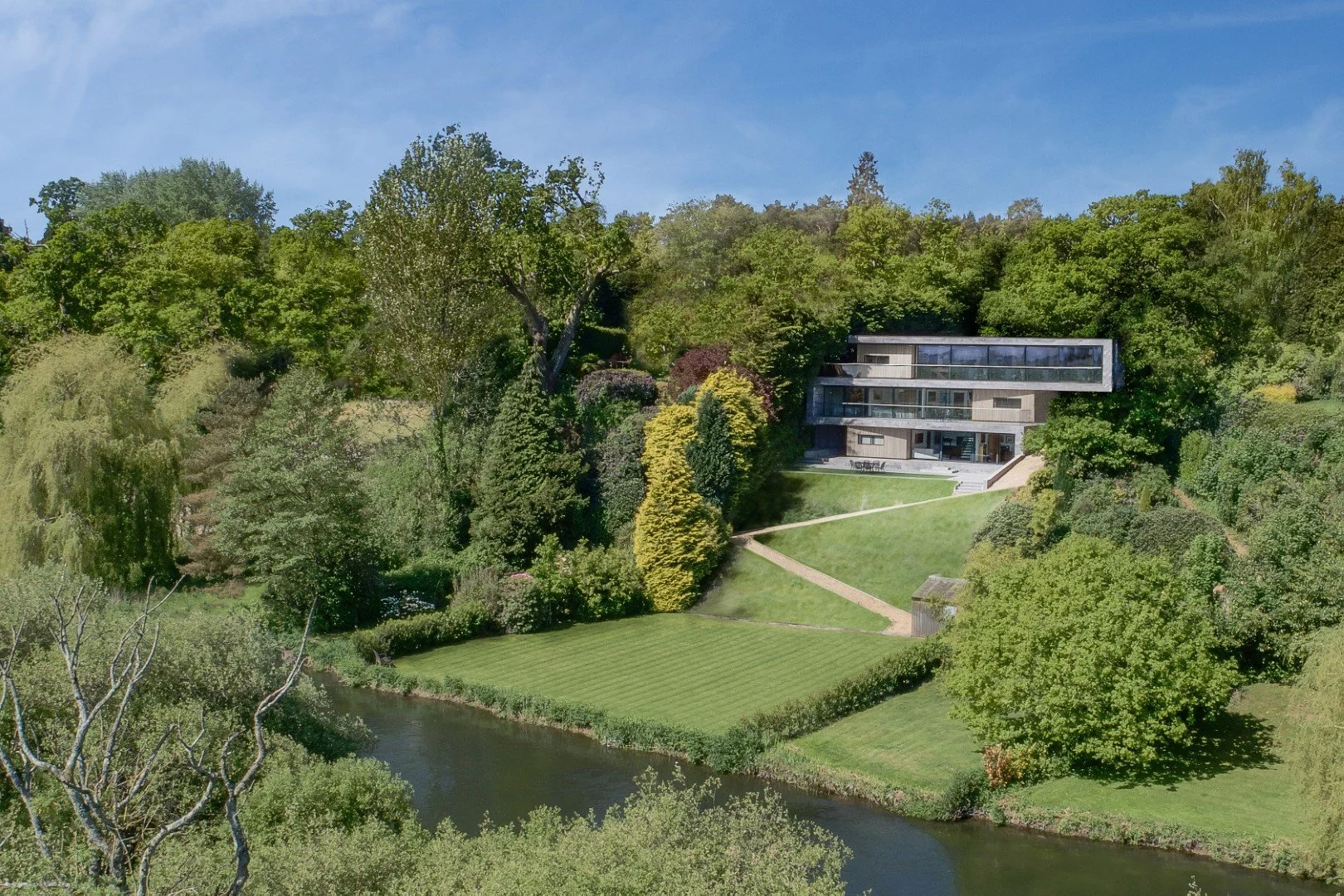
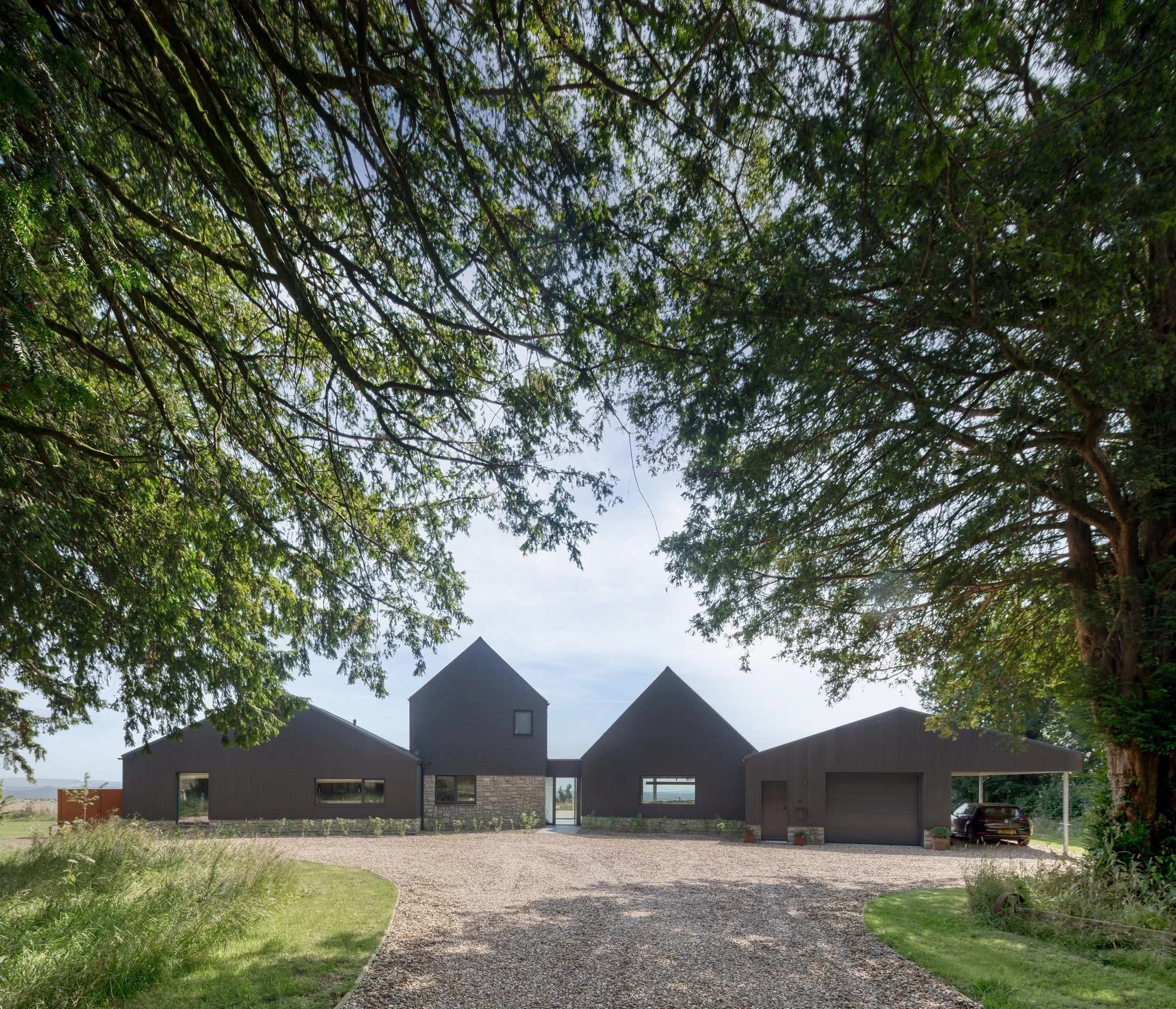
In reality, well-designed contemporary architecture can be entirely appropriate when it is informed by its setting.
Rather than imposing a predetermined style, successful projects respond to:
Existing landform and contours
Mature trees and hedgerows
Long-distance views
Local landscape character
Natural materials
Ecology and biodiversity
At AR Design Studio, we believe the landscape should lead the architecture, not the other way around. The result is a home that feels as though it belongs to its setting.
Visibility Matters More Than Size
Many clients assume that reducing the size of a building is the key to obtaining planning permission. While scale is important, visibility and landscape impact are often far more significant.
A larger home that is carefully positioned, partially embedded into the landscape and screened by existing vegetation may have less visual impact than a much smaller building located prominently on a ridgeline.
Understanding how a proposal will be experienced from surrounding viewpoints is often fundamental to the design process.
Ecology Cannot Be an Afterthought
Protected landscapes are often rich in wildlife habitats.
Depending on the site, surveys may be required for:
Bats
Great crested newts
Badgers
Breeding birds
Reptiles
Dormice
Protected plants
Ecological surveys are often seasonal, meaning that missing the survey window can delay an application by several months. Identifying these requirements early helps avoid unnecessary delays later in the project.
Landscape Design is Part of the Architecture
The landscape surrounding a home is often just as important as the building itself.
Planning applications within National Landscapes frequently include comprehensive landscape proposals that demonstrate how planting, habitat creation and boundary treatments will strengthen the site's character over time.
A well-considered landscape strategy can significantly improve the prospects of planning approval while creating a more enjoyable place to live.
Sustainability Matters
National Landscapes are an ideal setting for sustainable homes.
Planning authorities increasingly welcome proposals that demonstrate:
High levels of energy efficiency
Fabric-first design
Low operational carbon
Careful orientation for solar gain
Biodiversity enhancements
Sensitive water management
Sustainability should not be viewed as an add-on but as an integral part of the architectural concept.
The Right Team Makes All the Difference
Projects within protected landscapes often require input from a wider consultant team than a typical residential application.
Depending on the site, this may include:
Landscape architects
Ecologists
Arboricultural consultants
Heritage consultants
Highways engineers
Drainage specialists
Planning consultants
Bringing the right expertise together early helps identify potential constraints before they become costly problems.
Start With the Site, Not the House
Many clients begin with a vision of the home they want to build.
While that's understandable, the most successful projects within National Landscapes begin by understanding the site itself.
Its landscape, history, ecology, views, access and opportunities all help shape an architectural response that is both distinctive and appropriate.
This approach not only creates better architecture but also significantly strengthens the planning case.
Thinking of Building Within a National Landscape?
Designing within a protected landscape isn't about limiting ambition—it's about directing it thoughtfully.
With the right strategy, careful site analysis and high-quality design, it is entirely possible to create a contemporary home that enhances its surroundings while meeting the expectations of local planning policy.
At AR Design Studio, we've guided clients through the complexities of building within some of the UK's most sensitive landscapes. By combining creative design with a robust planning strategy, we help turn challenging sites into exceptional homes.