
How Site Constraints Can Improve a Design
When people first approach an architect, they often worry about the limitations of their site.
A steep slope. A narrow plot. Protected trees. Planning restrictions. Neighbouring windows. Listed building requirements. Flood zones. Difficult access.
At first glance, constraints can feel like compromises, barriers standing in the way of the “perfect” design.
But in architecture, constraints are rarely the enemy. In fact, they are often what make a project truly special.
The most memorable homes and buildings are seldom created on blank canvases. They emerge from careful responses to context, challenges, and opportunities unique to a particular place. Good architecture does not ignore constraints, it uses them to shape a more thoughtful, refined, and distinctive design.

Constraints Create Character
Some of the most beautiful buildings are memorable precisely because they respond intelligently to difficult conditions.
A narrow site may inspire dramatic vertical spaces and carefully framed views. A sloping plot can create opportunities for split levels, terraces, or unexpected connections to the landscape. Tight planning regulations may encourage a more considered material palette or a subtler relationship with neighbouring buildings.
Without constraints, architecture can become generic.
Constraints force clarity. They encourage creative thinking and often lead to solutions that are more unique, more site-specific, and ultimately more valuable.

Designing With the Site, Not Against It
Every site has its own logic.
Sunlight patterns, surrounding buildings, topography, access routes, existing structures, and local planning policy all influence how a building should sit within its environment. Rather than treating these factors as problems to overcome, we see them as design tools.
For example:
A restricted footprint encourages open-plan living spaces with greater efficiency and flow.
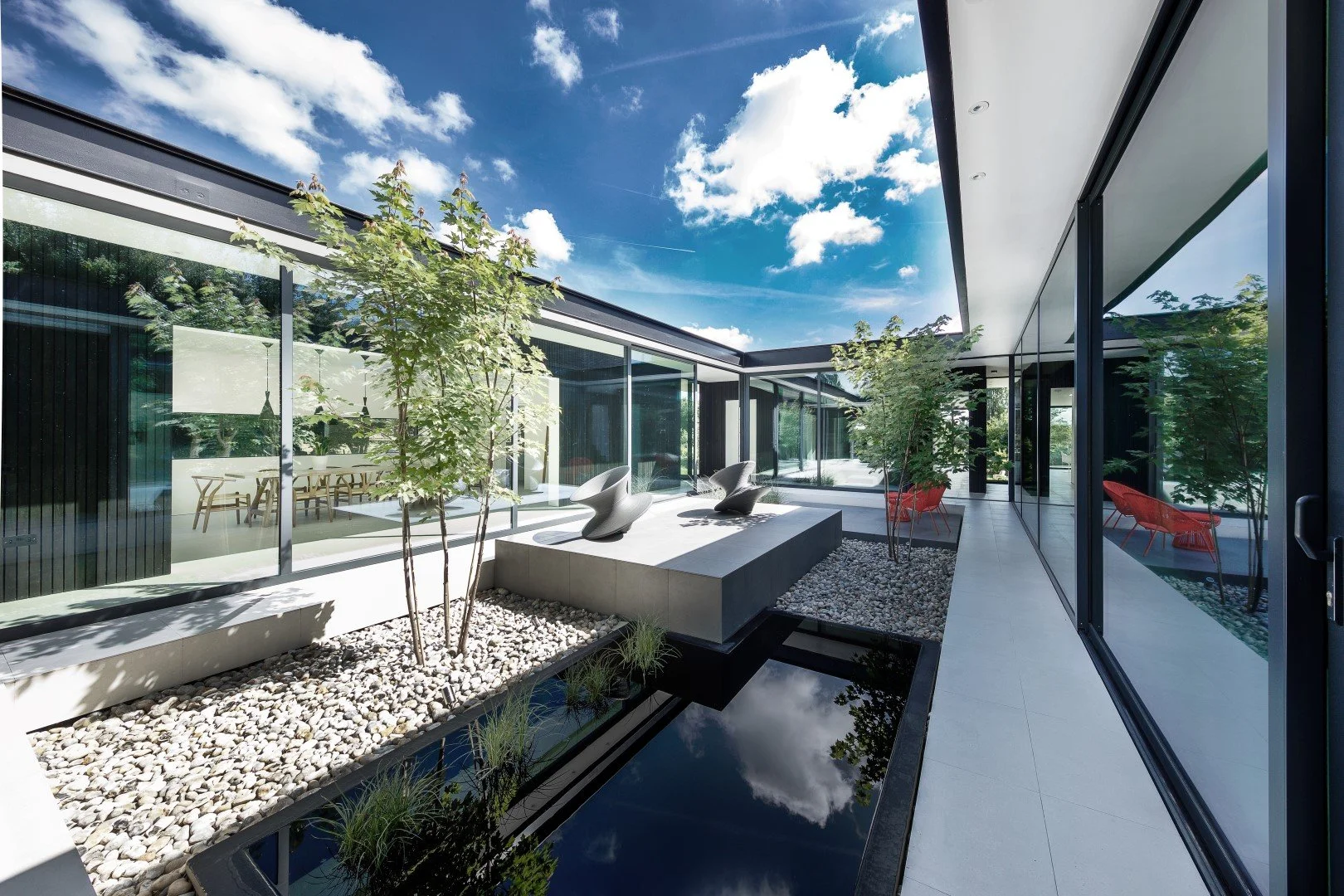
Overlooking concerns can lead to carefully positioned courtyards, rooflights, or framed views that improve privacy while enhancing natural light.
Existing mature trees might shape the layout of a project and create a stronger connection between architecture and landscape.
Conservation area requirements can inspire a more timeless and contextual design approach.
The result is architecture that feels grounded, intentional, and connected to its surroundings.
Constraints Encourage Better Decision-Making
An unrestricted brief can sometimes lead to unnecessary complexity. Constraints help prioritise what matters most.
When space, budget, or planning limitations are clearly understood, the design process becomes more focused. Every square metre works harder. Materials are selected more carefully. Natural light and circulation are considered more strategically.
In many cases, projects with tighter parameters achieve more elegant outcomes because the design has been edited and refined from the very beginning.
Good architecture is not about adding more. It is about making better decisions.

Constraints Encourage Better Decision-Making
An unrestricted brief can sometimes lead to unnecessary complexity. Constraints help prioritise what matters most.
When space, budget, or planning limitations are clearly understood, the design process becomes more focused. Every square metre works harder. Materials are selected more carefully. Natural light and circulation are considered more strategically.
In many cases, projects with tighter parameters achieve more elegant outcomes because the design has been edited and refined from the very beginning.
Good architecture is not about adding more. It is about making better decisions.
Planning Constraints Can Improve Long-Term Value
Planning policy is often viewed negatively, but thoughtful engagement with local authority guidance can significantly strengthen a project.
Designs that respond positively to their context are more likely to gain planning approval smoothly, maintain good relationships with neighbours, and age well over time.
A successful project is not simply one that looks impressive on completion day. It is one that continues to feel appropriate, functional, and enduring for years to come.
Working within planning constraints often leads to architecture that is more sustainable, more contextual, and ultimately more valuable.

Creativity Thrives Within Boundaries
There is a misconception that creativity requires total freedom. In reality, the opposite is often true.
Some of the strongest creative ideas emerge when there is a challenge to solve.
For architects, constraints provide direction. They sharpen ideas and encourage innovation. They push us to think more carefully about light, space, materials, proportion, and experience.
Every constraint presents an opportunity to create something more intelligent and more distinctive.
The Value of Experience
Understanding how to work positively with constraints is one of the most important parts of the architectural process.
An experienced architect can identify hidden opportunities within a difficult site, navigate planning challenges early, and develop solutions that balance practicality with ambition.
What initially appears restrictive can often become the defining strength of a project.
At its best, architecture is not about imposing a design onto a site. It is about discovering what the site can become.

No site is perfect, and that is often where the potential lies.
Constraints are not simply obstacles to work around. They are the starting point for thoughtful, responsive, and meaningful architecture.
By embracing the unique conditions of a site rather than resisting them, it becomes possible to create buildings that are more characterful, more functional, and more connected to the people who use them.