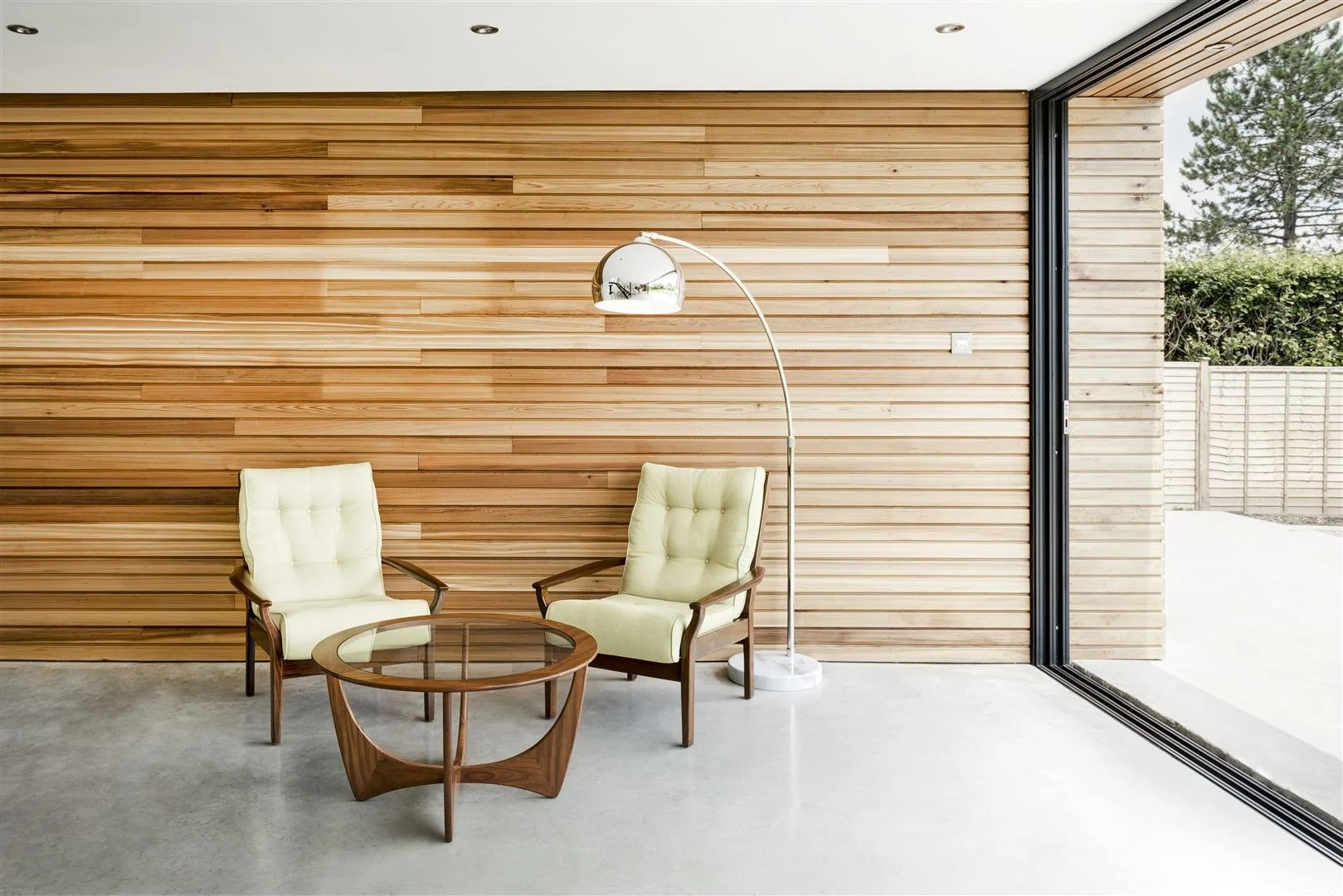
How to Design Living Spaces Around How You Actually Live
The modern home has evolved significantly in recent years.
Kitchens are now social hubs, dining areas have become flexible gathering spaces, and living rooms often serve multiple functions throughout the day from working and studying to relaxing and entertaining.
Yet despite this shift, many homes are still designed around generic layouts or short-lived trends rather than the realities of everyday life.
The most successful homes begin with a simple question: how do you actually live?
At AR Design Studio, we believe great design starts by understanding the routines, habits, priorities, and personalities of the people who will use the space every day. When living, dining, and kitchen areas are designed holistically around real life, homes become more comfortable, functional, and enjoyable to live in long term.
Here are some of the key principles we consider when designing spaces that genuinely support modern living.
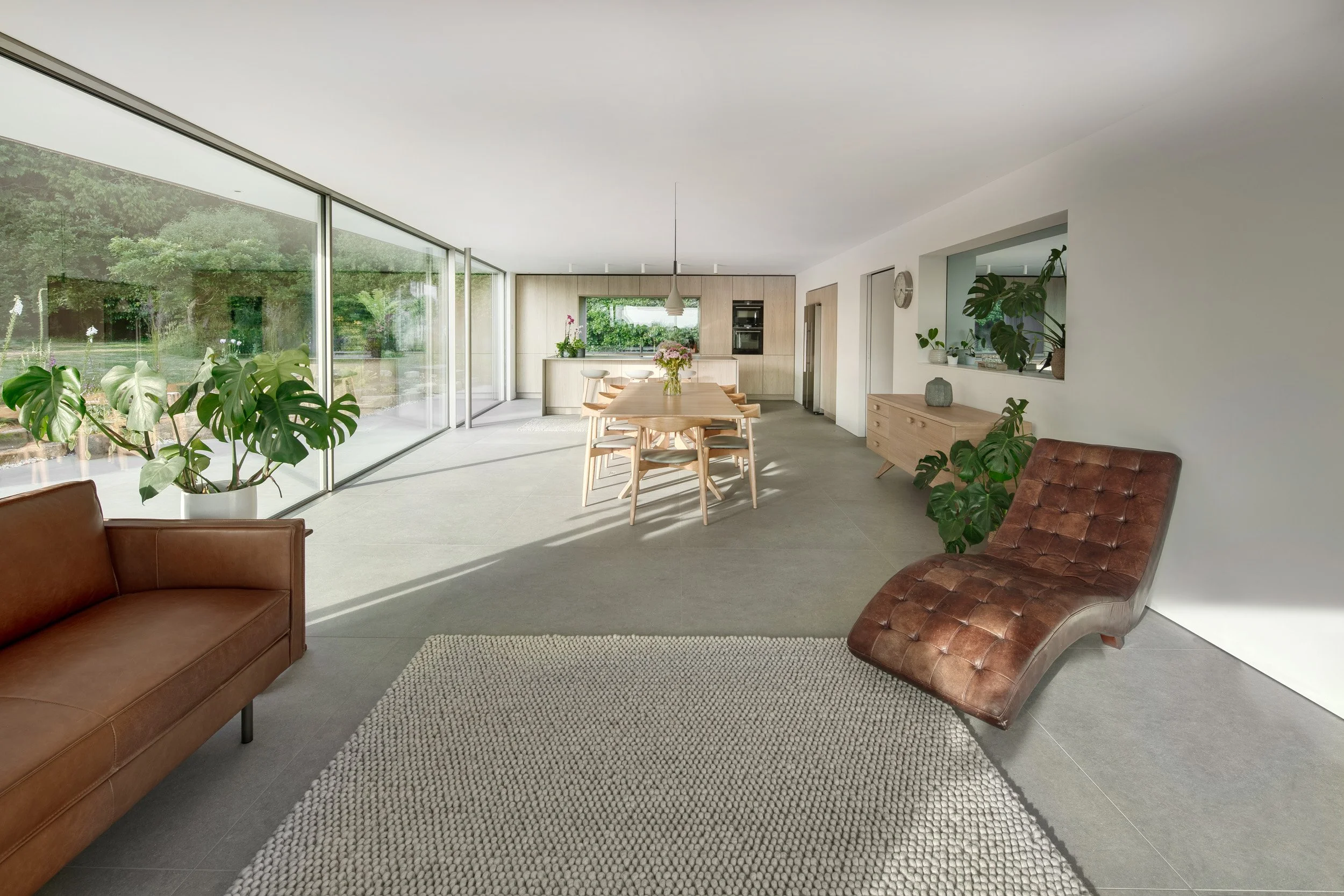
Start With Lifestyle, Not Layouts
Before discussing finishes, furniture, or appliances, it is important to understand how a household functions day to day.
Every family or homeowner uses space differently. Some clients prioritise entertaining and social cooking, while others need calm, quieter environments with separation between activities. Some homes revolve around family life and shared routines, while others focus on flexibility, work-life balance, or connection to the outdoors.
Understanding these patterns allows the design to respond naturally to the people living there.
Questions we often explore include:
Where do you spend most of your time at home?
Do you cook regularly or casually?
How often do you entertain guests?
Do children need visibility and supervision?
Is home working part of daily life?
Do you prefer open-plan living or more defined spaces?
What feels frustrating about your current home?
The answers shape everything from layout and circulation to lighting and storage.
Design Around How Spaces Flow Together
Living, dining, and kitchen spaces rarely function independently anymore. The relationship between them is often more important than the individual rooms themselves.
Successful layouts create a natural sense of connection while still allowing different activities to coexist comfortably.
We carefully consider:
Movement through the home
Sightlines between spaces
Access to gardens and outdoor areas
Natural gathering points
Areas of privacy and retreat
Noise and acoustics
Daylight throughout the day
The aim is to create spaces that feel intuitive and effortless to use.
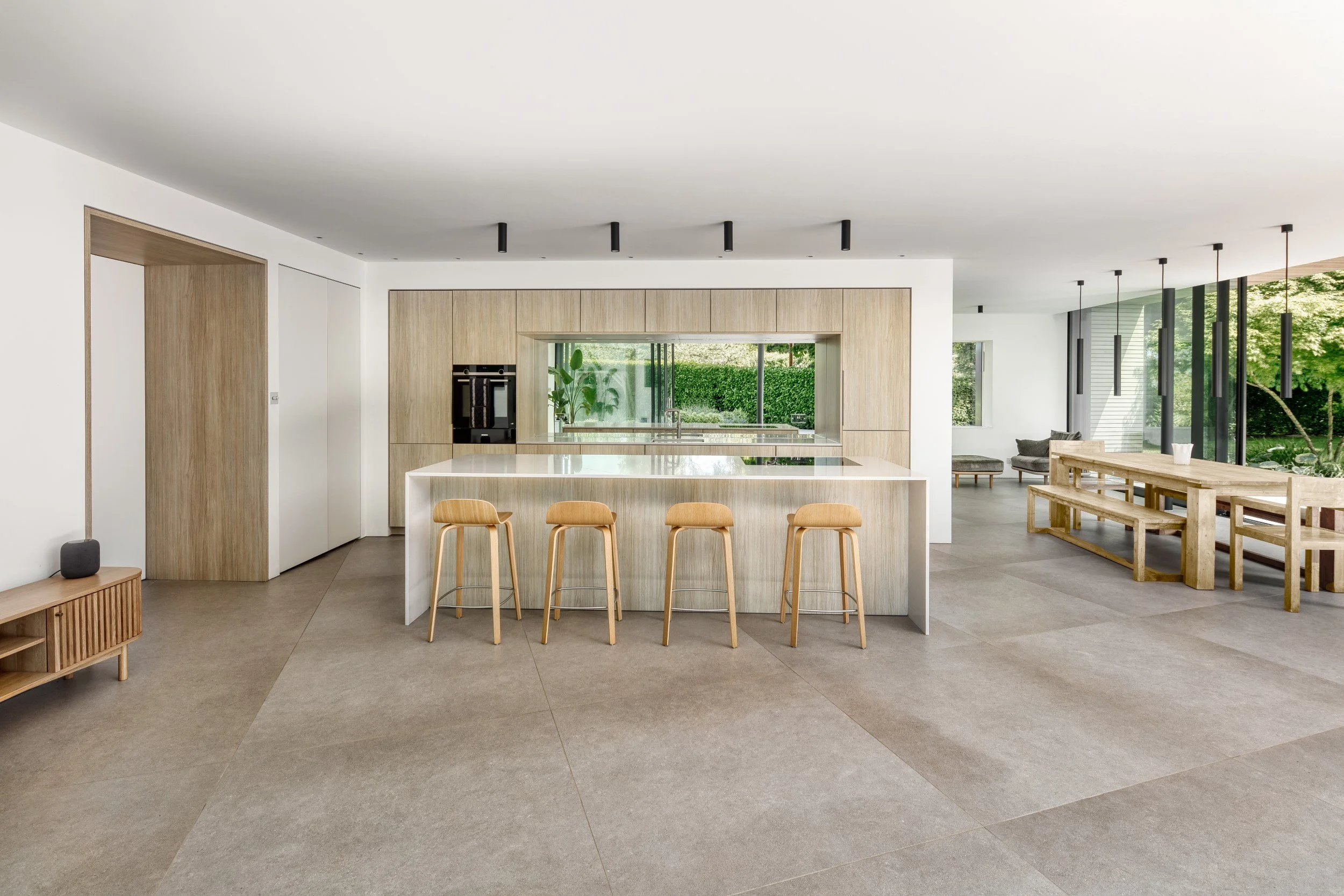
Open-Plan Living Should Still Feel Comfortable
Open-plan layouts remain highly desirable because they encourage connection, flexibility, and light. However, openness alone does not guarantee good design.
Without careful planning, large open spaces can feel noisy, cluttered, or lacking in intimacy.
The most successful open-plan homes subtly define different zones without fully separating them.
This can be achieved through:
Changes in ceiling height
Structural framing
Joinery and shelving
Lighting design
Flooring transitions
Furniture placement
Partial walls or screens
Well-balanced spaces allow family life, cooking, entertaining, and relaxation to happen simultaneously without conflict.
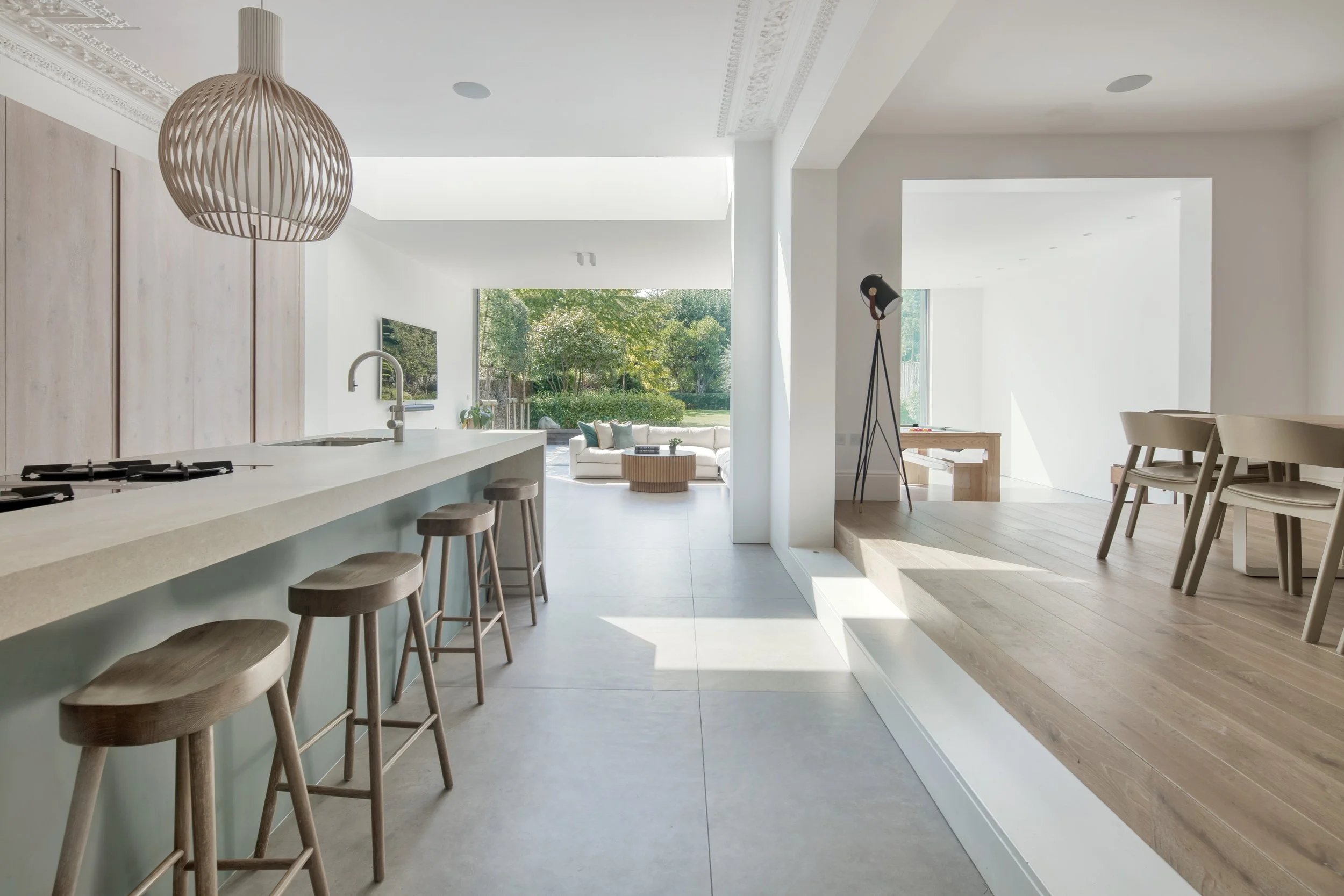
Kitchens Should Reflect Real Habits
The kitchen is often the heart of the home, but every household uses it differently.
Some clients require highly functional cooking spaces with generous preparation areas and specialist storage. Others prioritise sociability, wanting guests and family to gather comfortably while meals are prepared.
Rather than designing around trends, we focus on how the kitchen supports everyday routines.
This may include:
Islands designed for conversation and dining
Walk-in pantry storage
Integrated appliances
Dedicated coffee or breakfast areas
Flexible seating arrangements
Clear circulation routes
Visual connection to living and outdoor spaces
A well-designed kitchen should feel practical, calm, and welcoming at all times of day.
Dining Spaces Should Be Flexible
Formal dining rooms are no longer essential for many households, but dining remains an important social activity.
Today’s dining areas often need to accommodate:
Family meals
Entertaining guests
Homework and studying
Home working
Informal gatherings
Flexibility is therefore key.
We often design dining spaces that can expand or adapt easily while remaining integrated into the wider home rather than isolated from it.
Natural light, proximity to the kitchen, and views to outdoor spaces all contribute significantly to how enjoyable dining spaces feel in everyday use.
Living Spaces Should Support Both Connection and Retreat
Living areas should feel comfortable, emotionally warm, and adaptable to different moods and activities.
Some homeowners prefer highly sociable family spaces, while others value quieter environments where they can retreat and relax.
Successful living spaces often balance:
Openness and privacy
Natural light and enclosure
Social interaction and quiet retreat
Technology integration and visual calm
Architectural detailing, material choices, acoustics, and furniture layouts all contribute to creating spaces that feel genuinely comfortable rather than simply visually impressive.
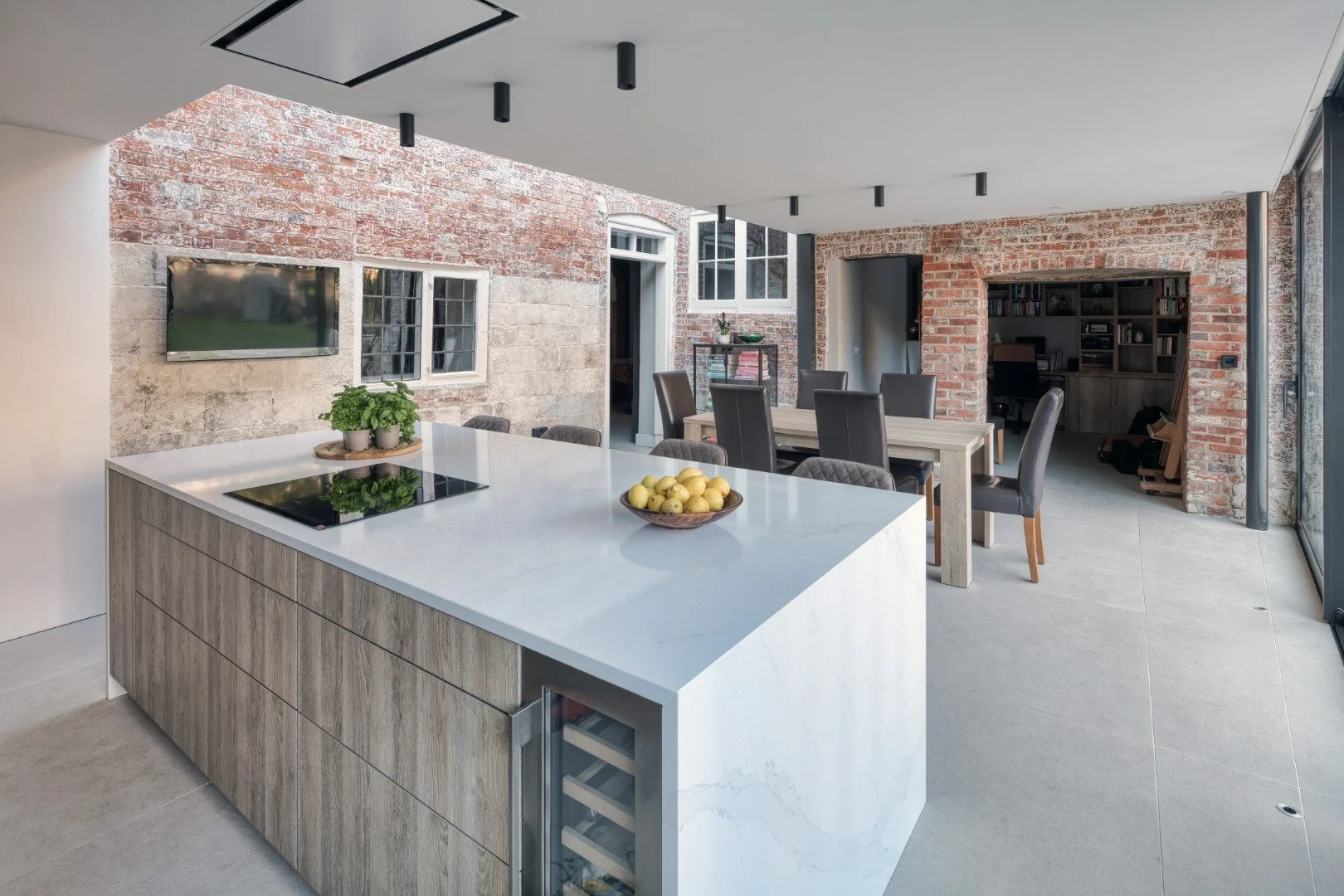
Light Is Fundamental to How a Home Feels
Natural light plays a major role in shaping atmosphere, wellbeing, and comfort.
We carefully consider:
Orientation and sunlight patterns
Framed garden views
Rooflights and glazed openings
Seasonal changes in daylight
Layered artificial lighting
Evening ambience
Well-designed lighting creates homes that feel uplifting during the day and calm, warm, and inviting at night.
Storage Creates Calm
One of the most overlooked aspects of good residential design is integrated storage.
When storage is carefully considered from the outset, homes feel calmer, more organised, and easier to live in.
This may include:
Concealed joinery
Utility and pantry spaces
Built-in shelving
Window seating storage
Integrated media units
Flexible family storage
Thoughtful storage reduces visual clutter and allows living spaces to remain adaptable over time.
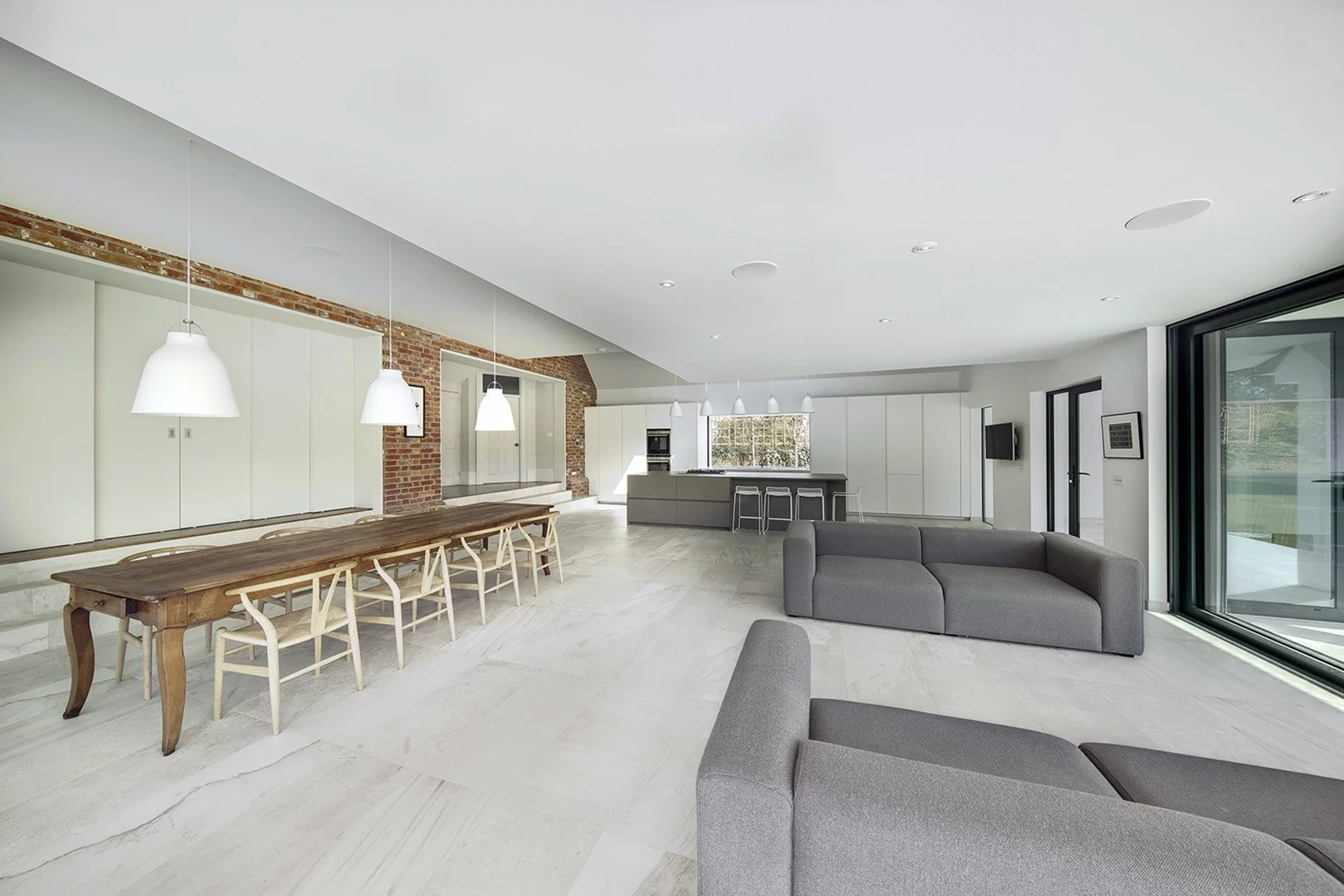
Materials Should Be Designed for Daily Life
The most successful homes balance beauty with durability.
Material selections should reflect not only the visual character of the home, but also the realities of everyday living.
For busy family homes, this may involve:
Durable flooring
Robust surfaces
Easy-to-maintain finishes
Soft acoustics
Warm tactile materials
Timeless materials often age more gracefully than highly trend-driven choices, creating homes that continue to feel relevant and comfortable for years to come.
Design for the Future, Not Just the Present
Homes should adapt as lifestyles evolve.
Children grow older, working habits change, entertaining patterns shift, and long-term accessibility may become increasingly important.
Designing with flexibility in mind allows spaces to evolve naturally over time.
This may include:
Adaptable layouts
Flexible furniture arrangements
Accessible circulation
Future-proofed services and technology
Durable long-lasting materials
The best homes continue to support their owners long after completion.