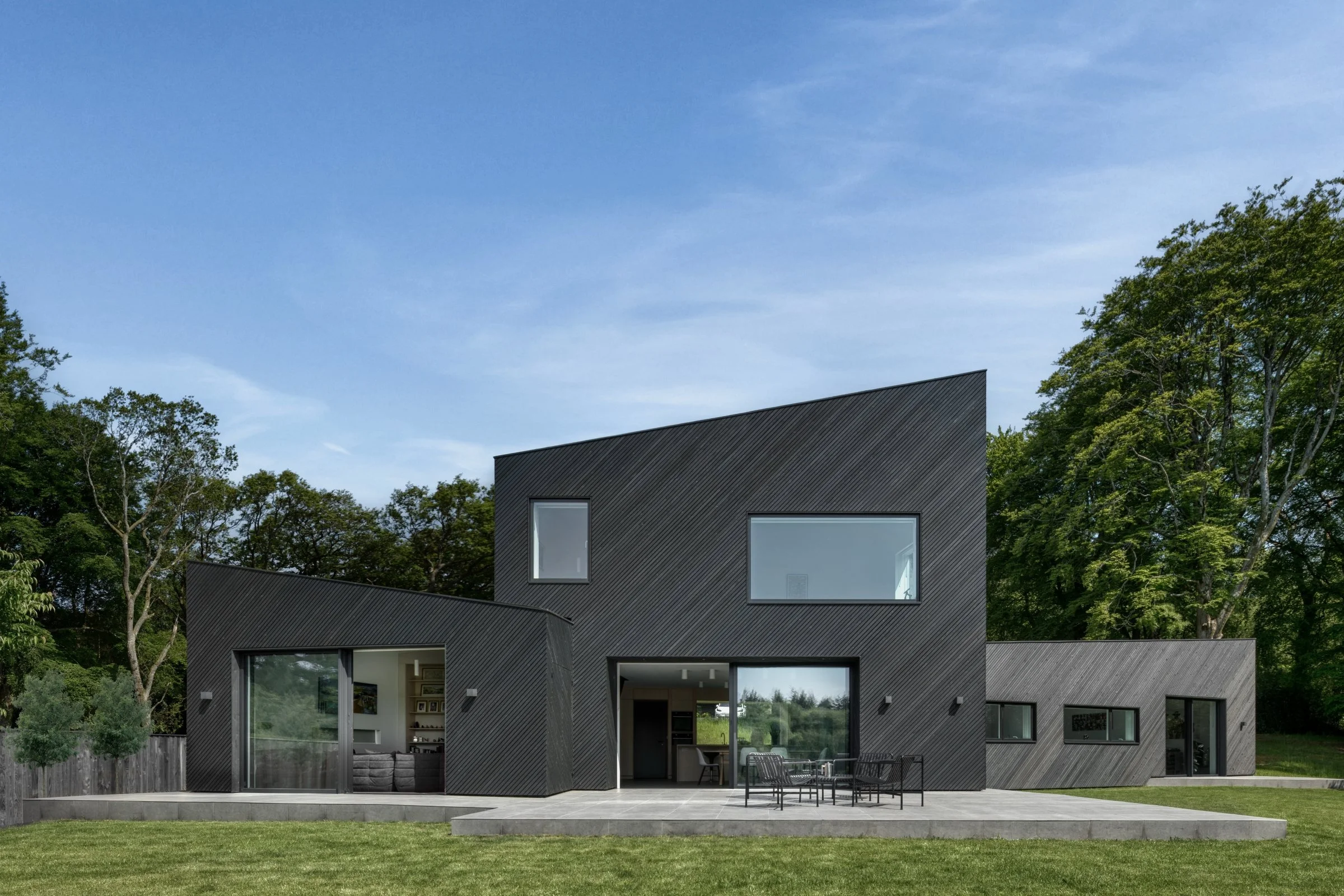
How to Set a Realistic Build Budget
Setting a build budget isn’t just about picking a number that feels comfortable, it’s about understanding the full scope of your project and making informed decisions early. Whether you’re planning a renovation, extension, or a new home, a well-considered budget will help you avoid costly surprises and keep your project on track.
Start with Your Priorities
Before diving into numbers, take time to define what matters most to you. Is it maximising space, achieving a high-end finish, improving energy efficiency, or staying within a strict cost limit?
Every project involves trade-offs, and being clear about your priorities helps guide where to invest and where to be more conservative.
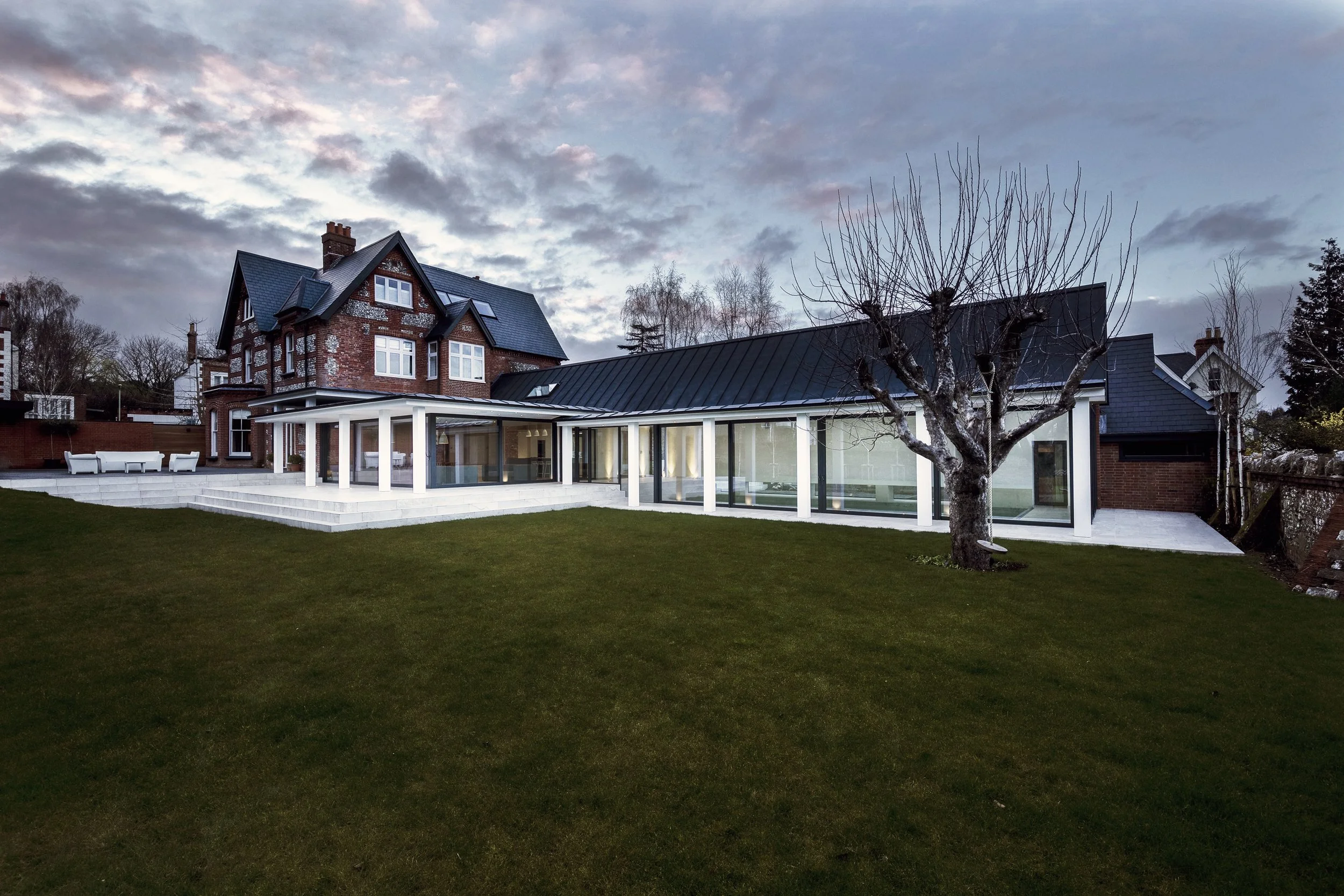
Understand the True Cost of Building
A common misconception is that the build cost is just the contractor’s price. In reality, your total project budget should include:
Construction costs (materials and labour)
Professional fees (architect, structural engineer, consultants)
Planning and building control fees
Surveys and reports
Interior finishes and fittings
Furniture and landscaping (if applicable)
VAT
These additional elements can account for a significant portion of your overall spend, so it’s important to factor them in from the outset.
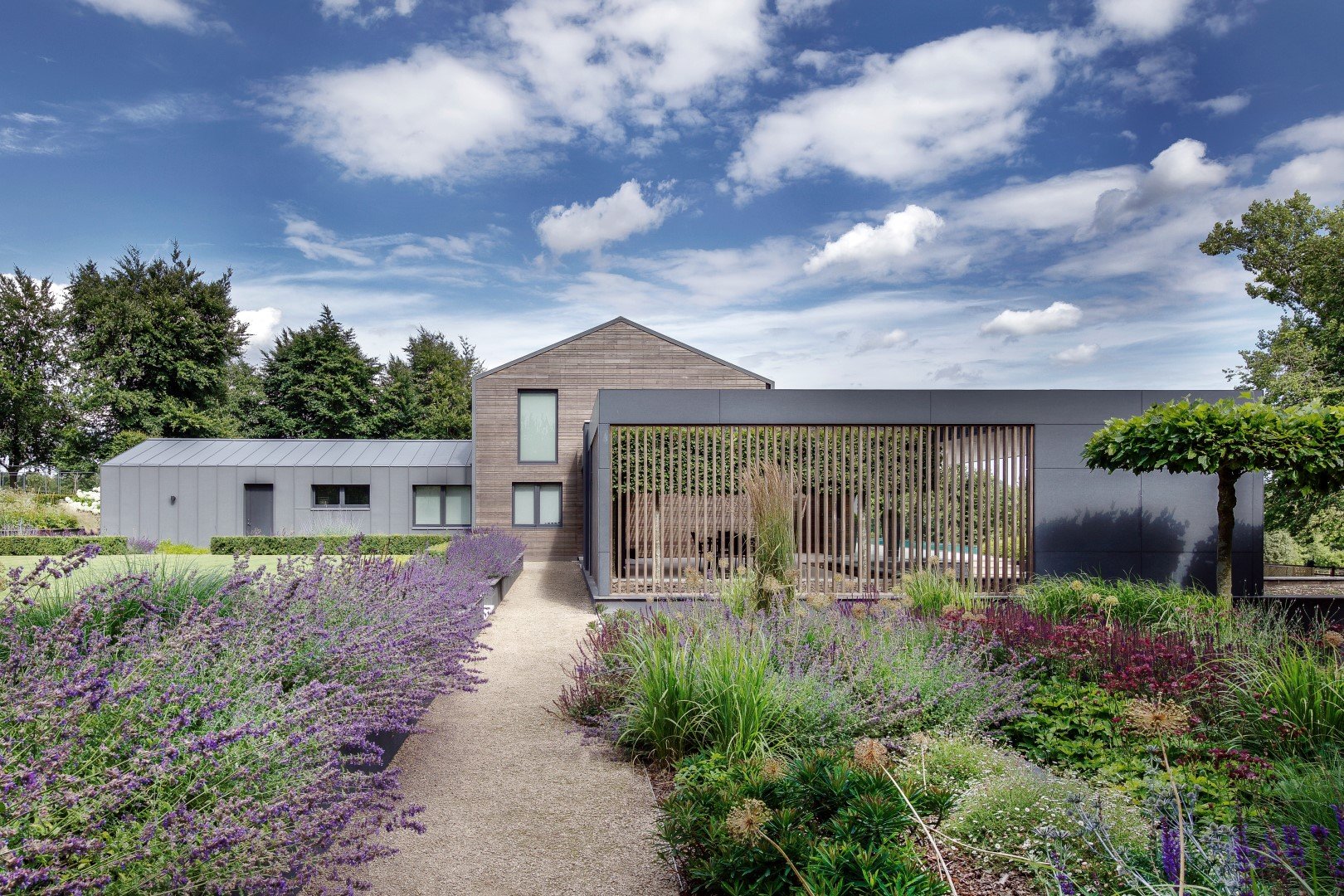
Benchmark Early
At early design stages, budgets are often based on cost per square metre. While this is only a guide, it’s a useful way to sense-check feasibility. Costs can vary widely depending on location, complexity, and specification, so getting advice early, particularly from an architect or cost consultant, can help ground expectations in reality.
Include a Contingency
No matter how well a project is planned, unexpected costs can arise.
We typically recommend setting aside a contingency of 10–15% of your construction budget. This provides a buffer for unforeseen conditions, design changes, or market fluctuations.
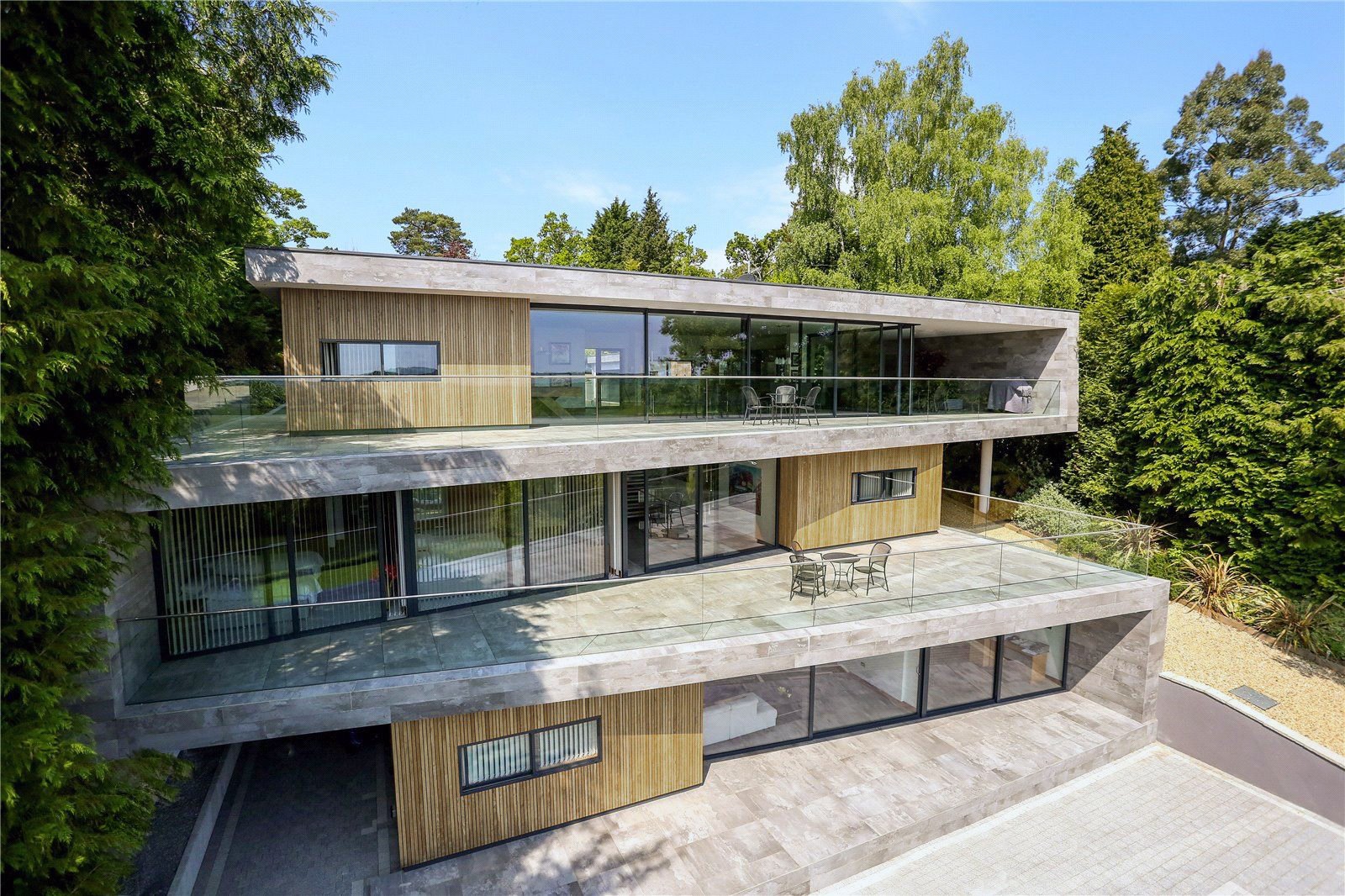
Align Design with Budget
One of the most effective ways to control costs is to align your design ambitions with your budget from the beginning.
A collaborative design process allows us to test ideas, explore alternatives, and make informed decisions before committing to construction.
This might involve:
Simplifying the building form
Selecting cost-effective materials
Phasing the project over time
Prioritising key spaces or features
Good design isn’t about spending more, it’s about spending wisely.
Consider Long-Term Value
It can be tempting to reduce costs upfront, but it’s equally important to consider lifecycle value.
Investing in durable materials, high-quality construction, and energy-efficient solutions can reduce maintenance costs and improve comfort over time.
Engage the Right Team Early
Bringing your architect and other professionals into the process early can make a significant difference.
With the right guidance, you’ll gain clarity on costs, avoid common pitfalls, and develop a project that is both achievable and inspiring.