
What We Look for on a First Site Visit
Every successful project begins with understanding its setting.
Before we discuss floor plans, finishes, or architectural styles, our first priority is getting to know the site itself. A site visit is far more than a quick walk around a property; it is an opportunity to uncover the unique characteristics, opportunities and constraints that will ultimately shape the design.
Here are some of the key things we look for during a first site visit.
Understanding the Landscape
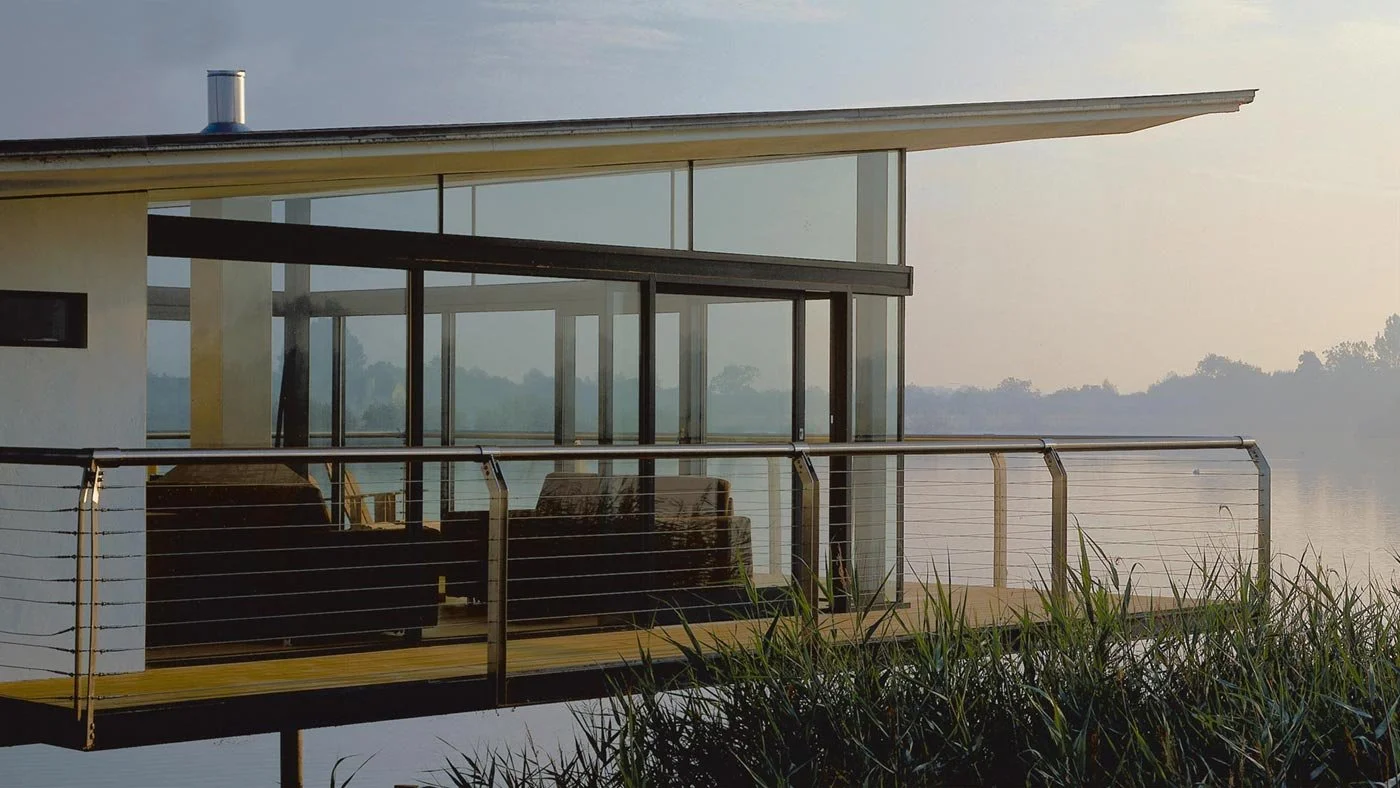
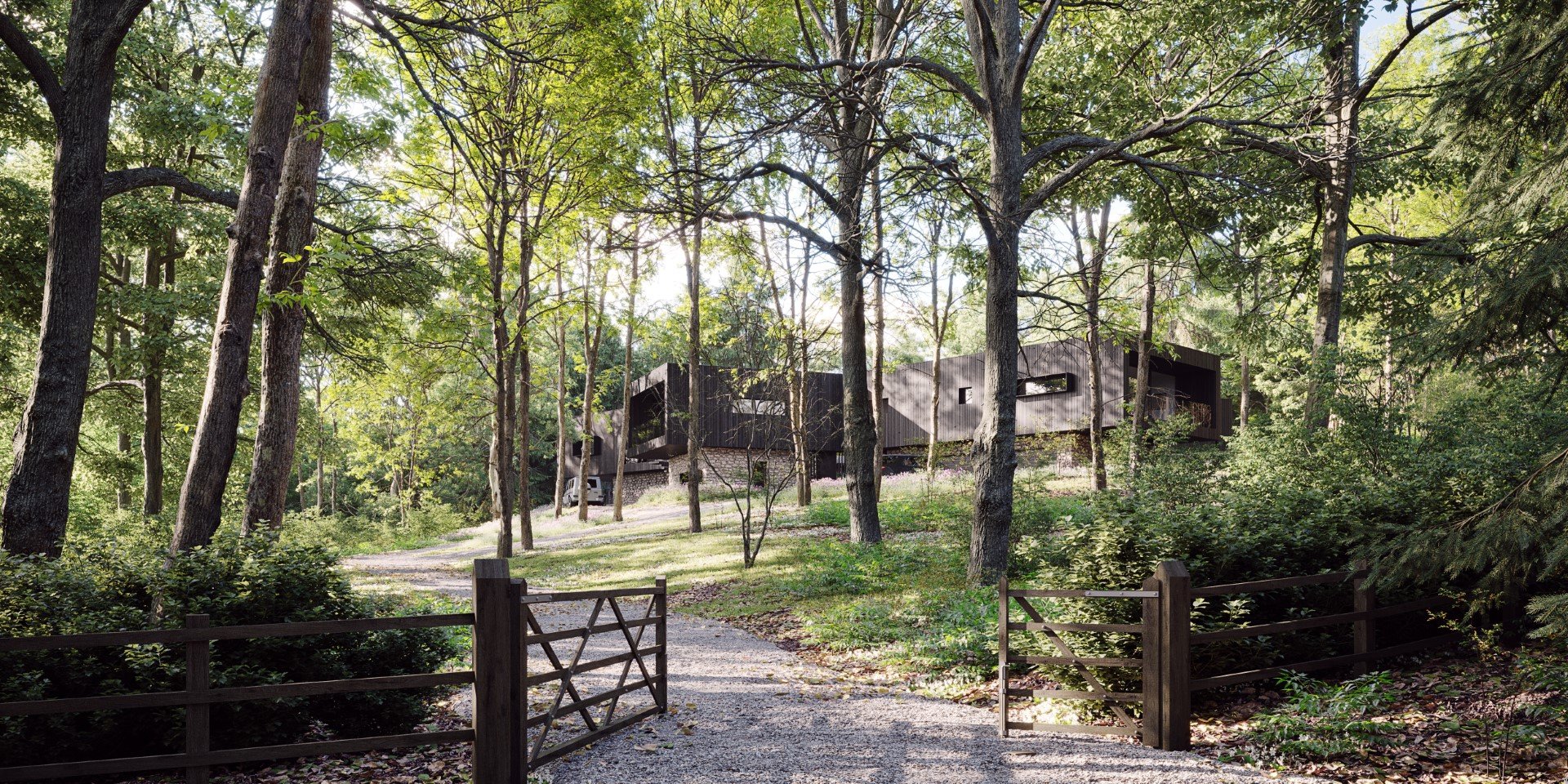
The land often tells us where a building wants to sit.
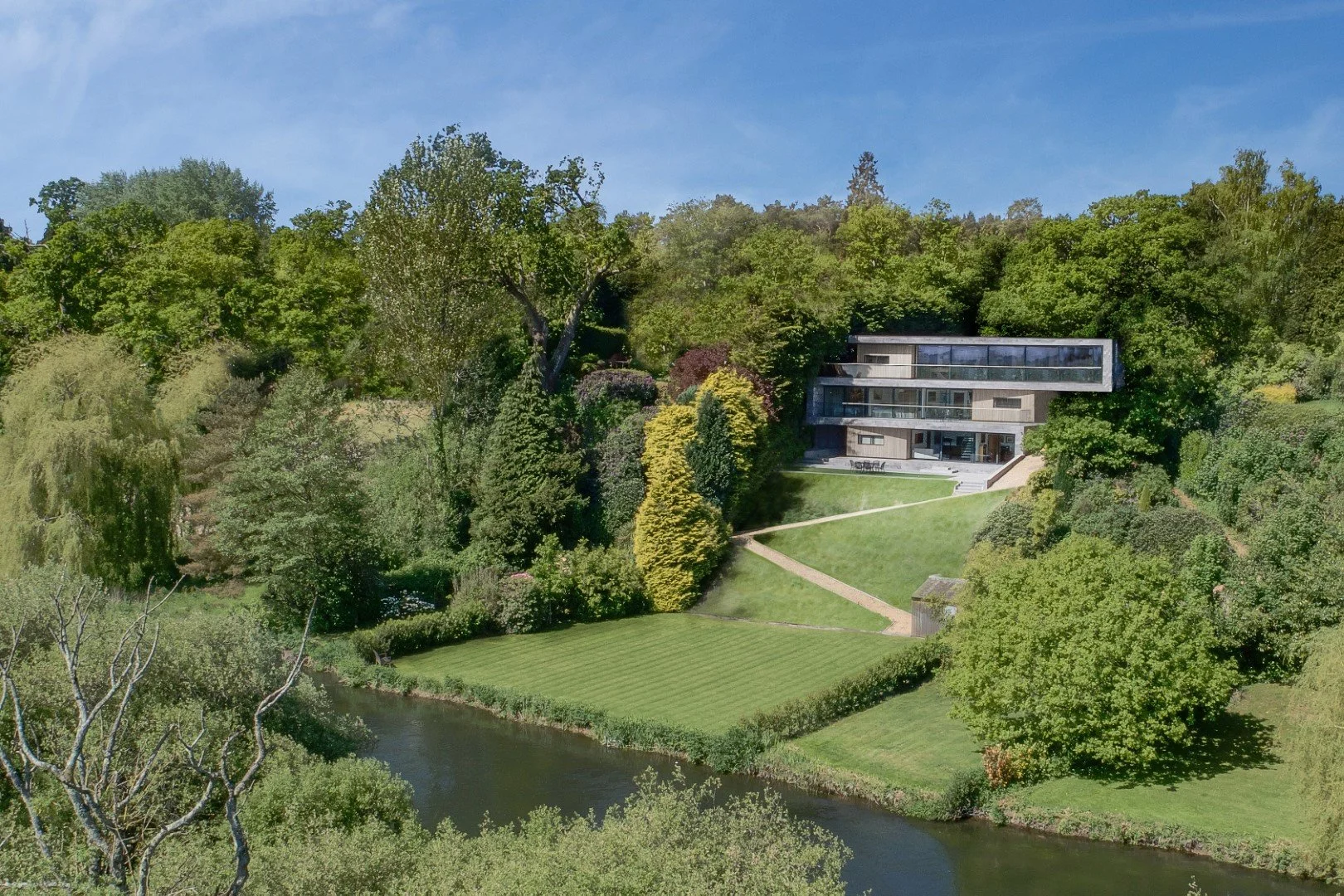
We carefully assess levels, slopes, natural features, existing trees and the relationship between the site and its surroundings. Even subtle changes in topography can influence how a building is positioned, how it is accessed and how internal spaces connect to the landscape.
Rather than seeing challenging terrain as a problem, we often find it presents opportunities for more interesting and distinctive architecture.
Natural Light and Orientation
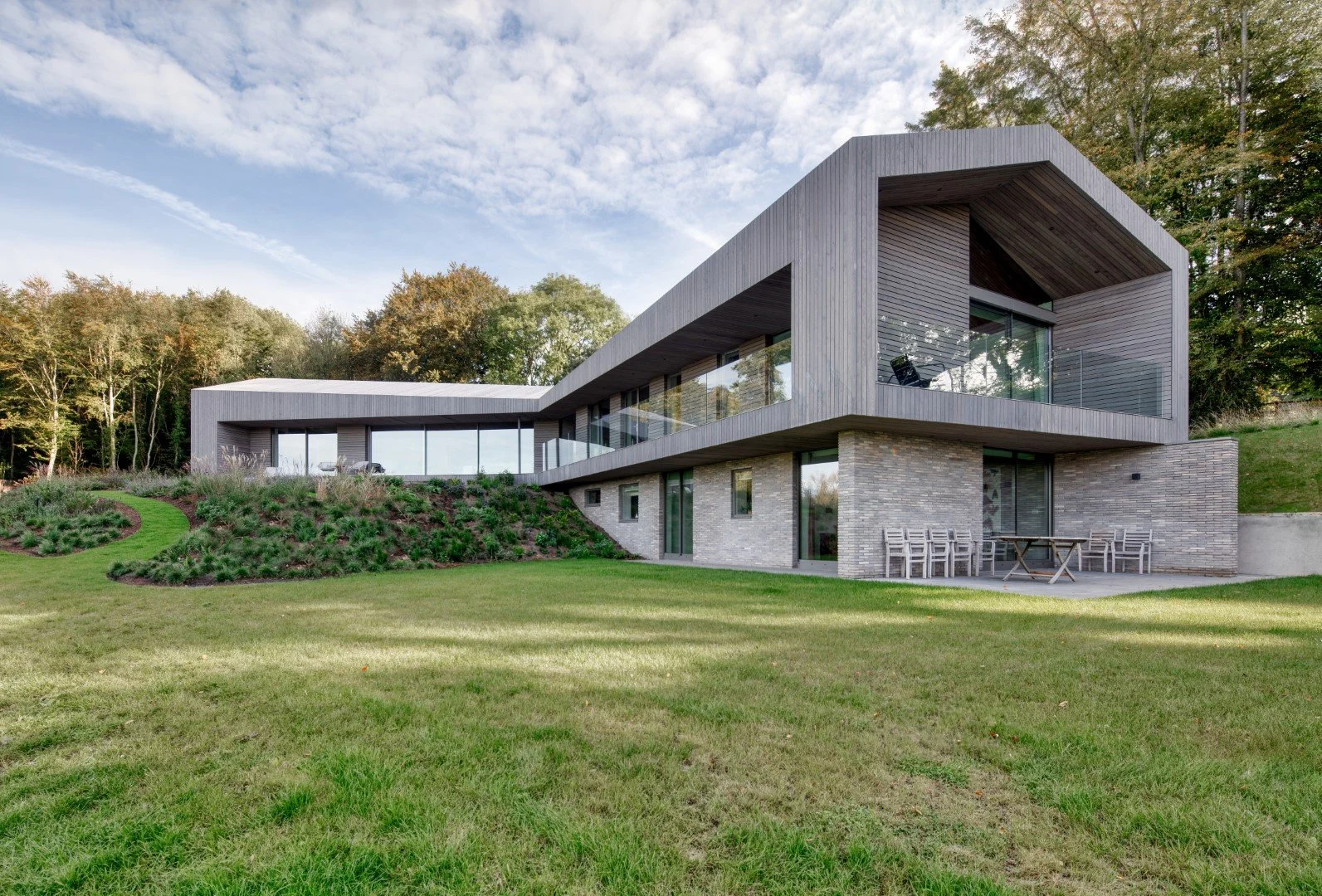
One of the most important factors in creating enjoyable living spaces is natural light.
We analyse the movement of the sun throughout the day and identify where sunlight enters the site in the morning, afternoon and evening.
Understanding orientation helps us position key living spaces to maximise daylight, improve energy efficiency and create a stronger connection to the outdoors.
Often, small design decisions made at this stage can have a significant impact on how a home feels for decades to come.
Views and Connections
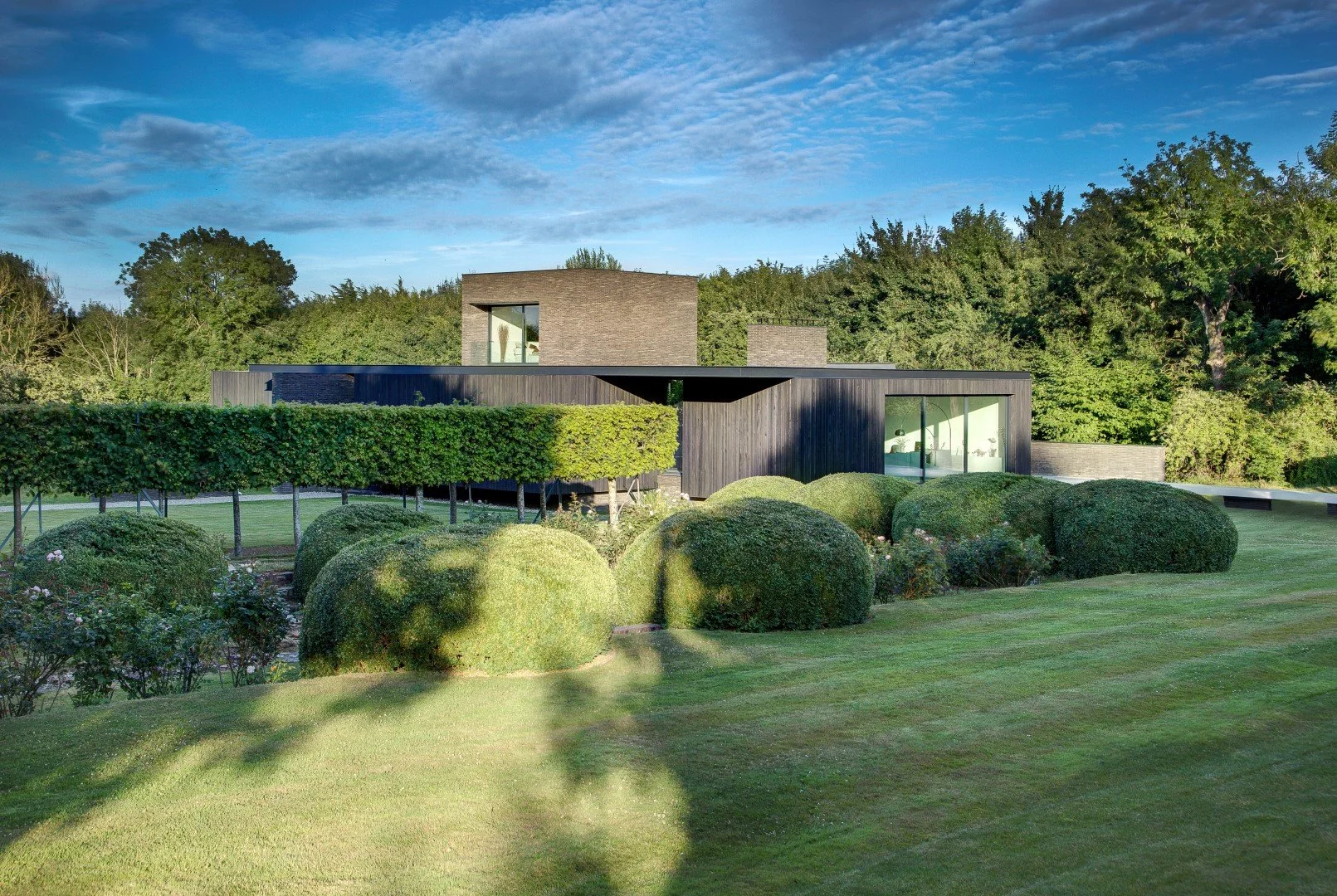
Every site has something worth framing.
Whether it's a distant landscape, a mature garden, a courtyard or simply a beautiful tree, we identify opportunities to create meaningful visual connections from within the building.
Equally important is understanding what should be screened or hidden. Good architecture carefully balances openness and privacy, ensuring a home feels both connected and protected.
Existing Buildings and Character
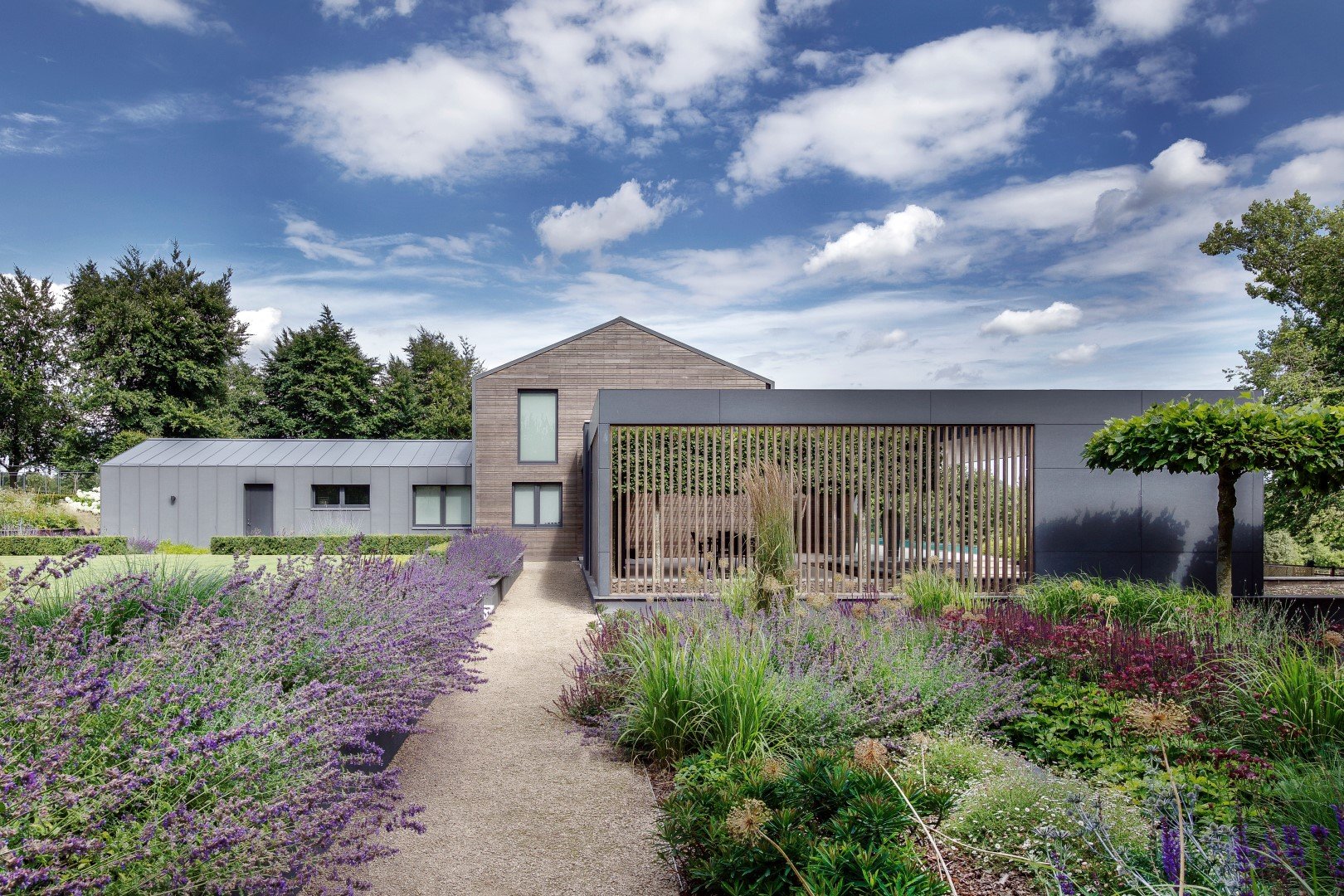
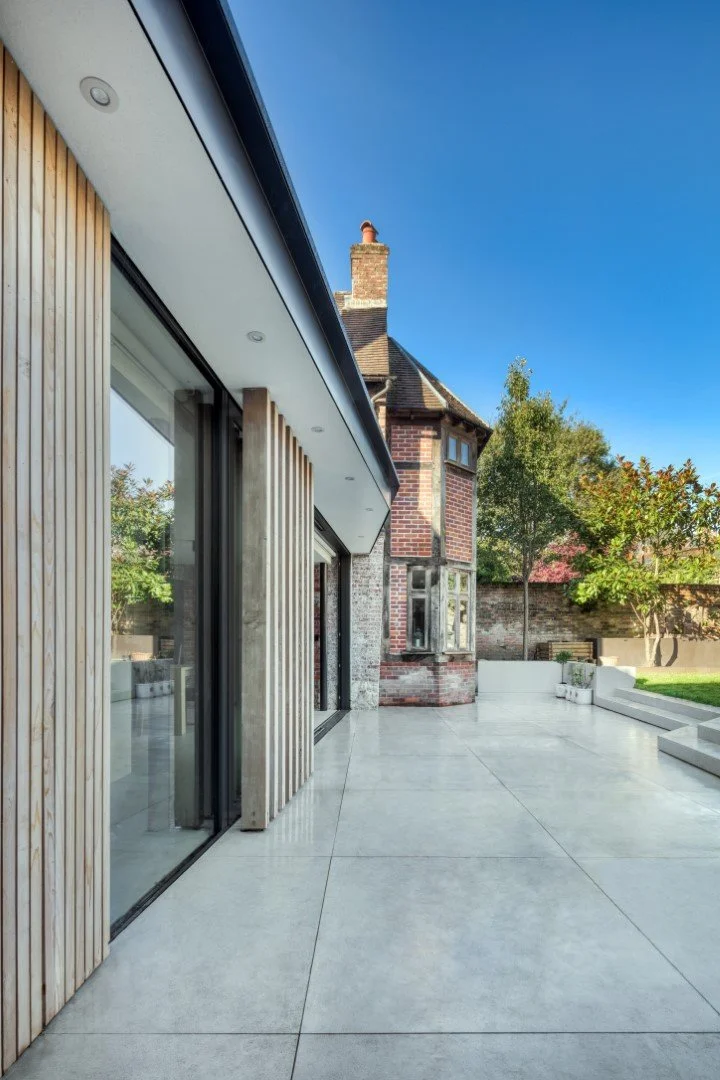
For extension, renovation and heritage projects, we spend time understanding the existing building and its history.
We look at architectural details, materials, construction methods and how the property has evolved over time. This helps us develop designs that respect the character of the building while introducing contemporary interventions that enhance the way it functions today.
Planning and Technical Considerations
A first visit is also an opportunity to identify potential planning and technical constraints.
This may include neighbouring properties, access arrangements, protected trees, conservation area requirements, heritage considerations or ecological factors. Identifying these early allows us to shape a design strategy that is both ambitious and realistic.
Understanding How You Live
Perhaps most importantly, we use the visit to understand you.
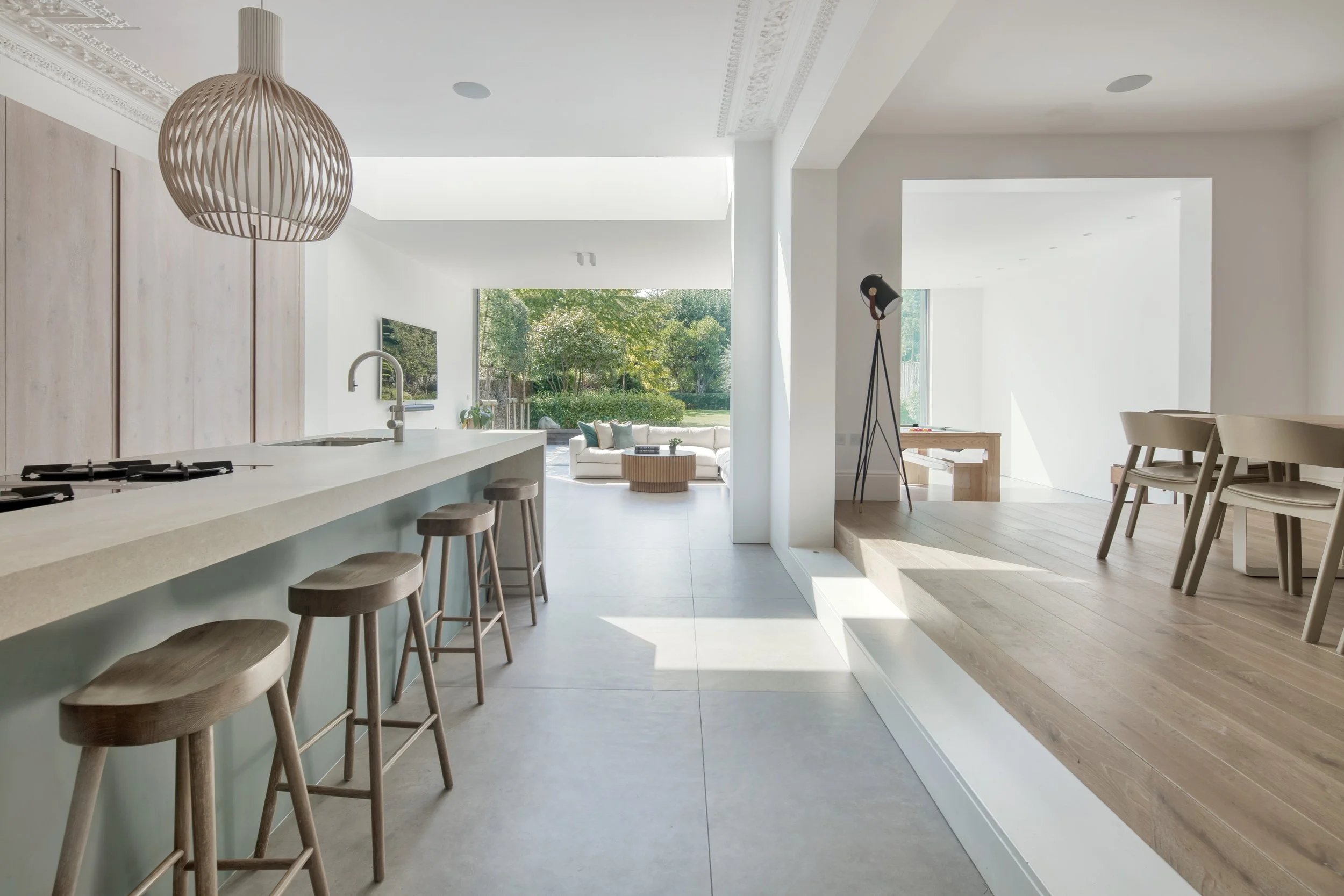
Every client uses their home differently. We discuss how you live, entertain, work, relax and interact with the spaces around you. Understanding your aspirations allows us to design a home that is not only beautiful but also tailored to the way you want to live.
Looking Beyond What Exists Today
The most exciting part of a first site visit is imagining what could be.
While we carefully analyse the existing conditions, we are equally focused on the site's future potential. Our role is to see possibilities that may not be immediately obvious and translate them into a thoughtful, practical and inspiring design.
A successful project begins with understanding the place, the building and the people who will use it. That's why the first site visit remains one of the most important stages of the architectural process.
Every exceptional home begins with a conversation.
Let's walk the site together. Get in touch to arrange an initial consultation and discover what's possible.