
Designing Contemporary Homes That Sit Harmoniously Within the Rural Landscape
Designing a contemporary home in a rural setting presents a unique challenge: how to create architecture that feels modern and expressive without overpowering the natural environment it inhabits. Unlike urban contexts, rural landscapes demand sensitivity, restraint, and a deep respect for place. When done well, contemporary rural homes can feel as though they belong to the land—quietly enhancing it rather than competing with it.
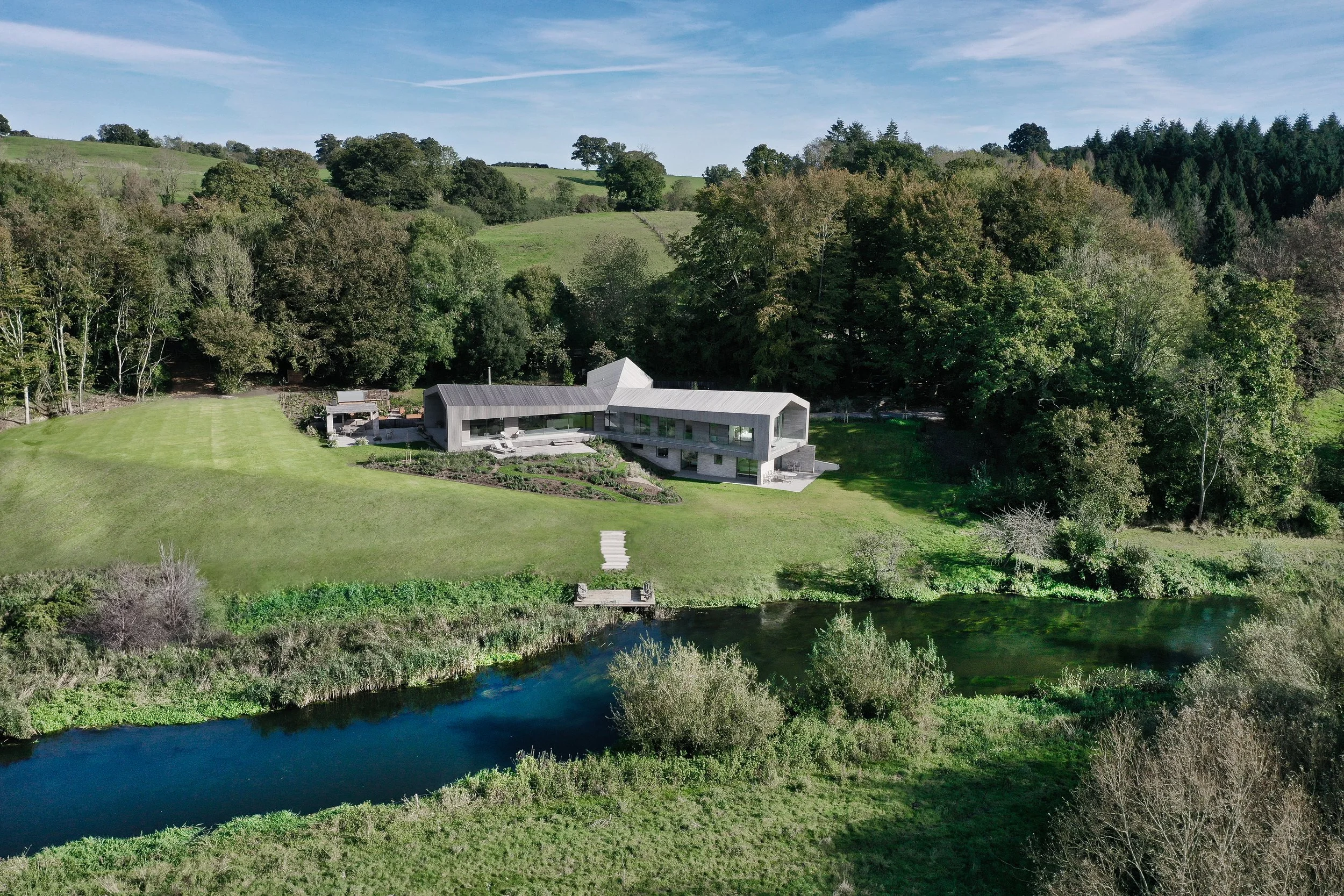
Understanding the Landscape First
Successful rural design begins long before sketches are drawn. The land itself should be the primary guide. Topography, vegetation, climate, prevailing winds, and views all play a crucial role in shaping the final form of a home. Rather than flattening or dominating a site, contemporary design increasingly works with the land—nestling buildings into slopes, orienting spaces to capture natural light, and preserving existing trees and features.
By responding directly to the site, a home feels grounded and authentic, as though it could exist nowhere else.
In rural settings, simplicity is often the most powerful design tool. Clean lines, restrained forms, and thoughtful proportions allow contemporary homes to sit quietly within expansive landscapes. Instead of one large, imposing volume, breaking a home into smaller interconnected forms can echo the scale of traditional rural buildings such as barns or farm clusters.
This approach reduces visual impact while creating sheltered courtyards and transitional spaces that blur the boundary between indoors and out.
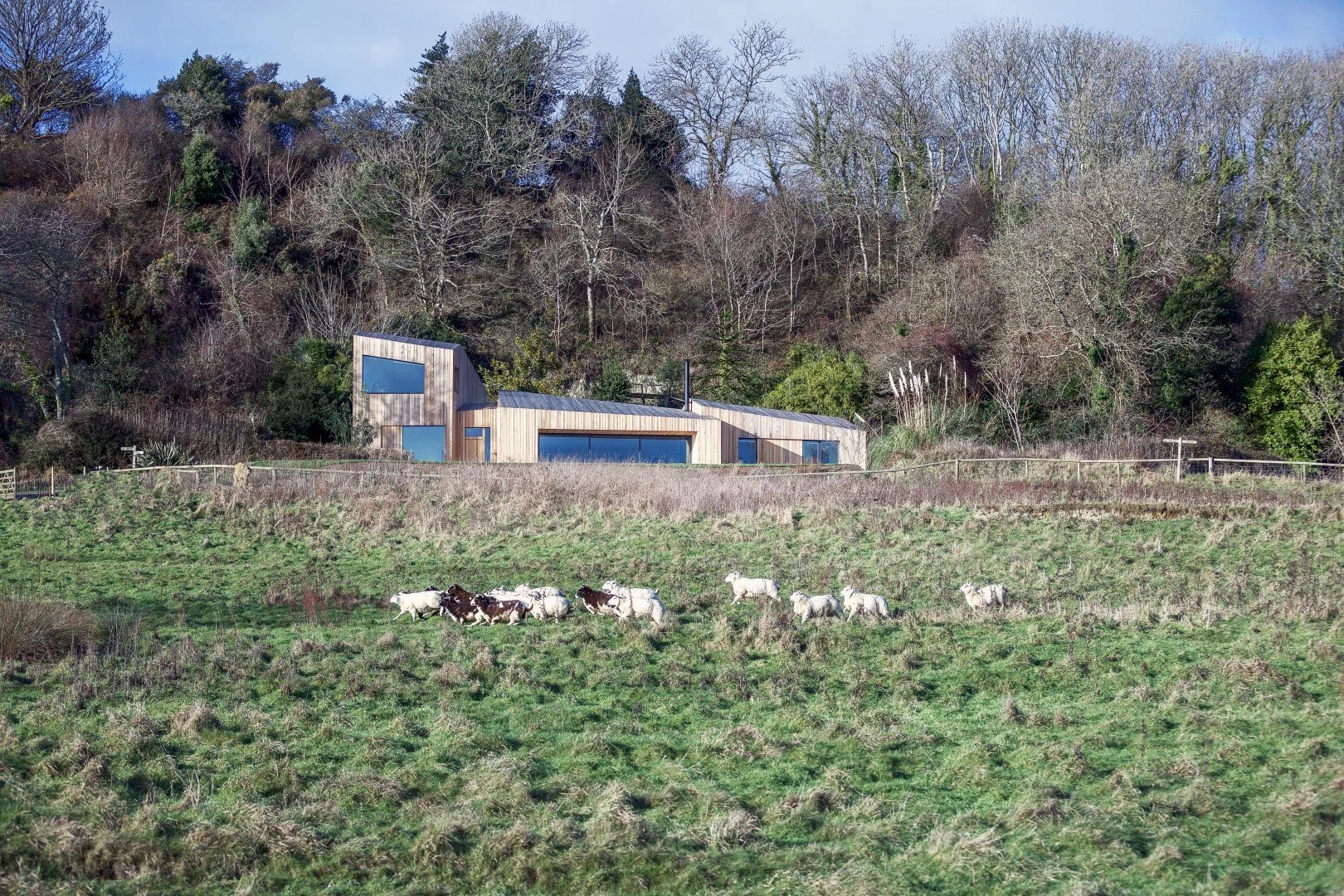
Material Choices That Age Gracefully
Materiality is central to harmony with the rural environment. Natural, locally sourced, or agricultural materials—such as timber, stone, brick, weathered steel, or lime render—help contemporary homes feel rooted in place. These materials not only complement the surrounding landscape but also age gracefully over time, allowing the home to evolve alongside its environment.
Modern detailing and construction techniques can be paired with traditional materials, achieving a balance between contemporary expression and timeless character.
Colour Palettes Inspired by Nature
Subtle, muted colour palettes tend to work best in rural contexts. Earthy tones drawn from the surrounding landscape—soft greys, warm browns, deep greens, and off-whites—allow buildings to recede visually rather than dominate. This doesn’t mean contemporary homes must be bland; rather, colour can be used strategically to highlight textures, shadows, and architectural rhythm.
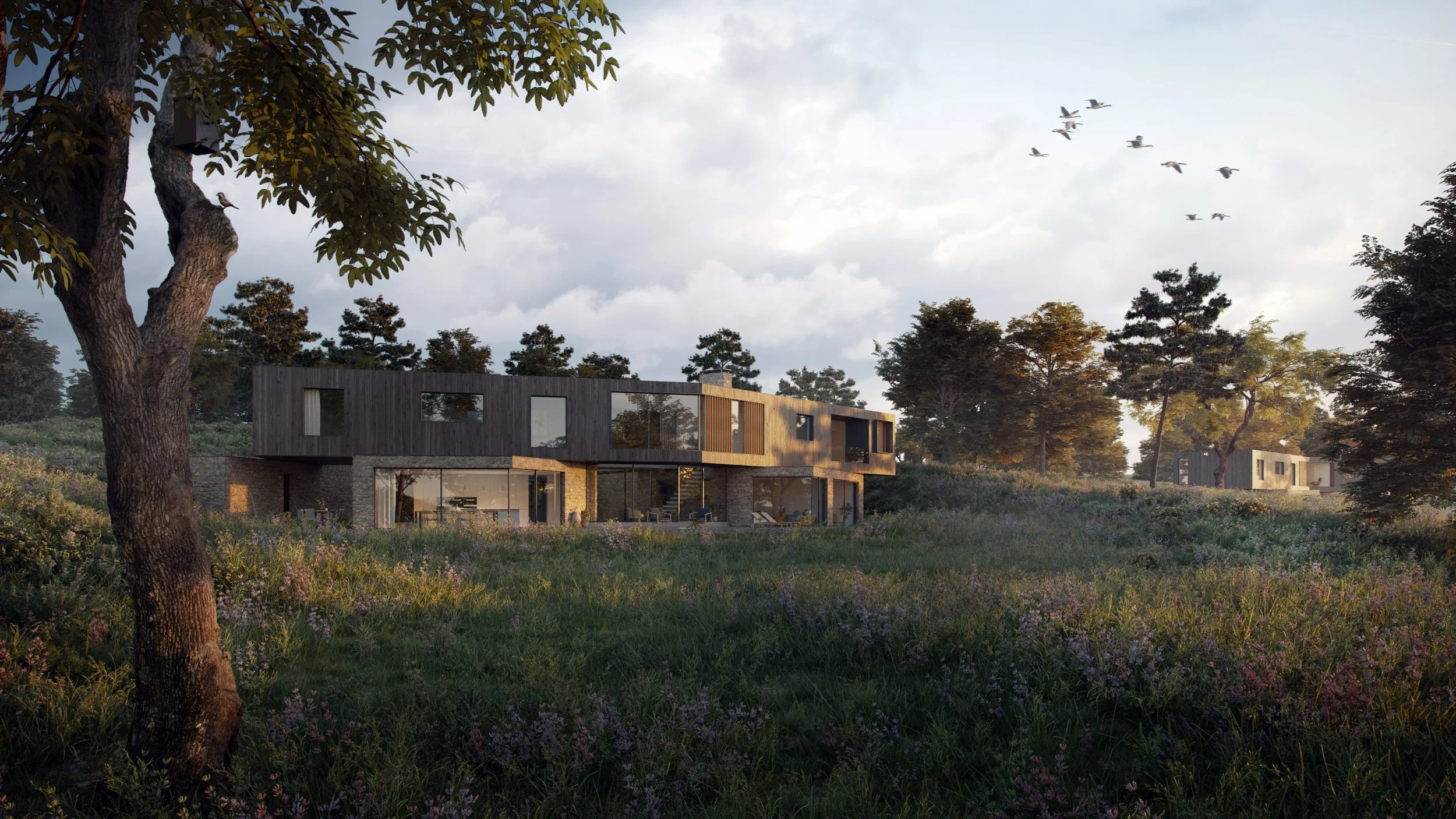
Blurring the Line Between Inside and Outside
One of the great advantages of rural living is the connection to nature. Contemporary design embraces this through large openings, carefully framed views, and seamless transitions between interior and exterior spaces. Floor-to-ceiling glazing, covered terraces, and outdoor rooms allow residents to experience the changing seasons and landscape from within the home.
Crucially, glazing should be placed thoughtfully to avoid excessive visual impact or energy inefficiency, balancing openness with privacy and sustainability.
Sustainable Design as a Natural Extension
Sustainability is not an added feature in rural contemporary homes—it is a natural extension of designing in harmony with the land. Passive solar orientation, high levels of insulation, natural ventilation, and renewable energy systems can be integrated subtly into the architecture. Water management, biodiversity enhancement, and minimal site disturbance further reinforce a respectful relationship with the environment.
When sustainability strategies are embedded into the design from the outset, they enhance both performance and aesthetic coherence.
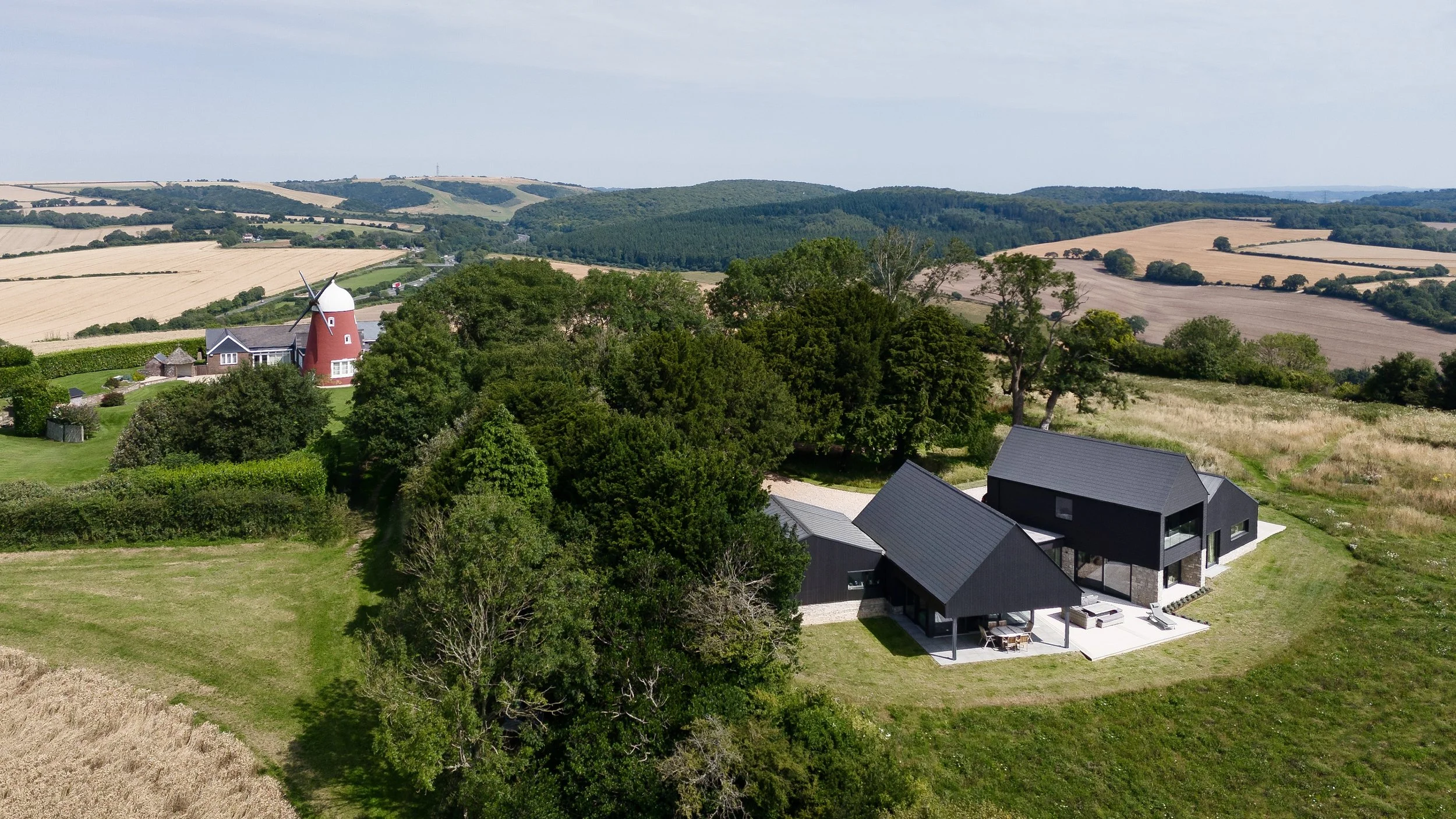
Respecting Local Character Without Imitation
Designing harmoniously does not mean copying traditional rural architecture outright. Instead, it involves understanding local building traditions, scales, and patterns, then reinterpreting them through a contemporary lens. This might mean abstracting the form of a barn, aligning roof pitches with neighboring structures, or using familiar materials in modern ways.
The result is architecture that feels both of its time and deeply connected to its context.
A Quiet Confidence in Design
Ultimately, the most successful contemporary rural homes share a sense of quiet confidence. They do not shout for attention but reveal their quality through thoughtful details, spatial clarity, and a deep respect for the landscape. By prioritizing site-responsive design, honest materials, and sustainable principles, contemporary architecture can enhance rural environments—creating homes that feel calm, enduring, and truly at home in the countryside.