
Material Study : Designing with Stone Contemporary Approaches to a Traditional Material
For centuries, stone has been one of architecture's most enduring materials. From historic cathedrals and manor houses to boundary walls and garden structures, its strength, beauty and permanence have made it a defining feature of the built environment.
Today, stone is experiencing a renaissance in contemporary architecture. Far from being confined to traditional or heritage projects, architects are increasingly using stone in innovative ways to create elegant, sustainable and highly distinctive homes. At AR Design Studio, we believe that thoughtful material selection plays a crucial role in creating architecture that feels both timeless and connected to its surroundings.
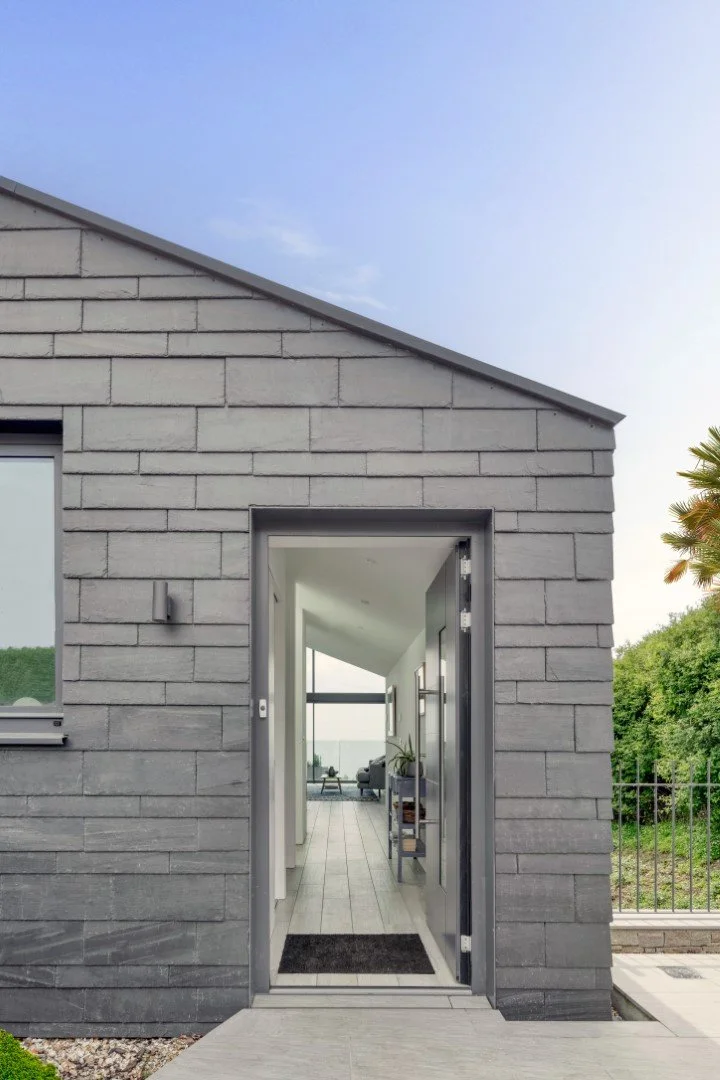
Why Stone Remains Relevant
In an era where homeowners are seeking longevity, sustainability and authenticity, stone offers a compelling combination of qualities.
Natural stone possesses a tactile richness that manufactured materials often struggle to replicate. Its variations in colour, texture and pattern create depth and character, while its durability ensures that buildings age gracefully over time. Unlike many contemporary finishes that require regular replacement, stone can endure for generations with minimal maintenance.
Stone also helps create a strong sense of place. Whether sourced locally or selected to complement the surrounding landscape, it can anchor a building within its environment and establish a meaningful connection between architecture and context.
Contemporary Applications of Stone
Modern architecture has moved beyond the traditional image of stone cottages and period properties. Today, stone is being employed in a variety of innovative ways that celebrate both craftsmanship and contemporary design.
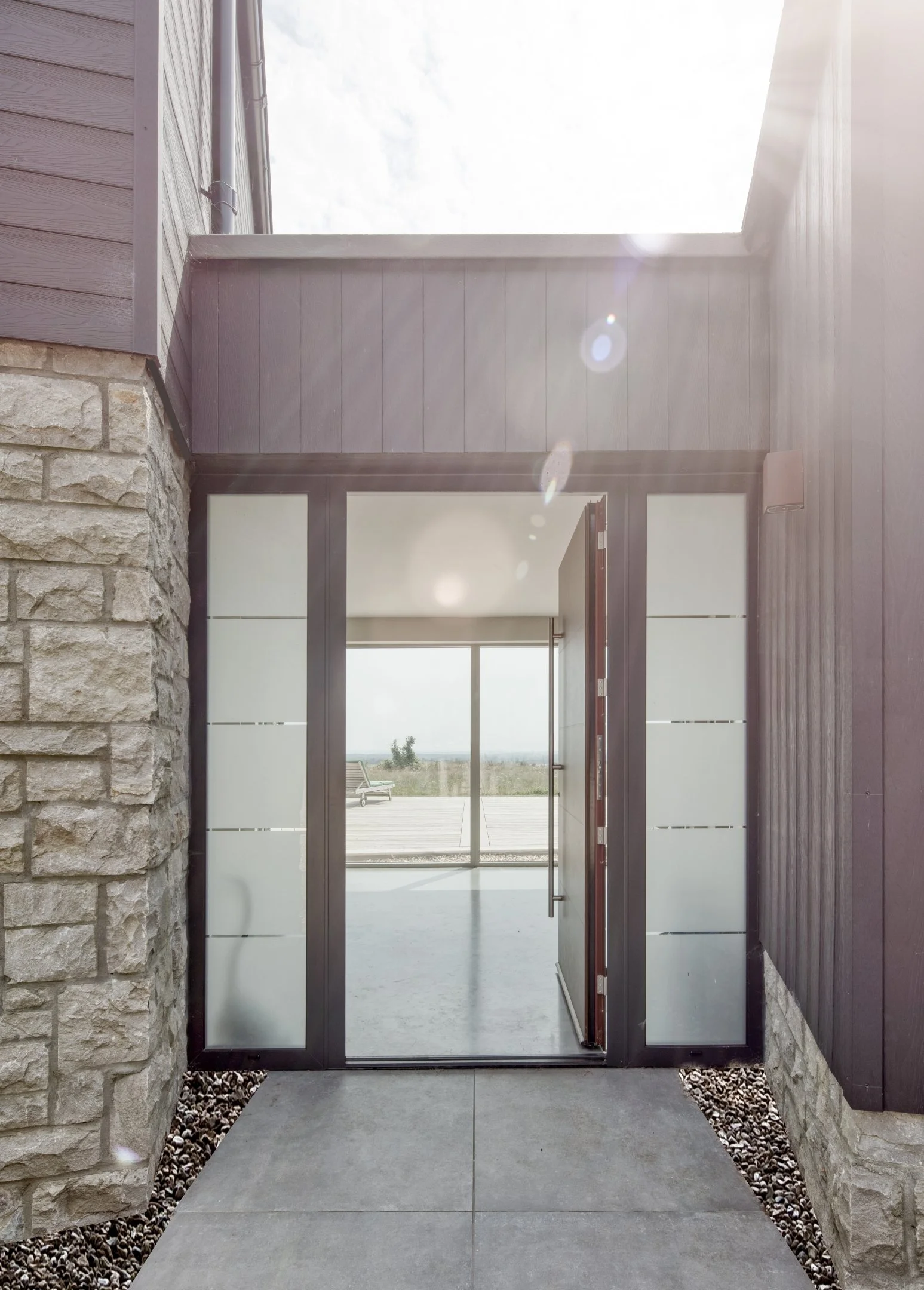
Monolithic Forms
One of the most striking trends is the use of stone to create bold, sculptural forms. Large-format stone cladding can transform simple geometric volumes into elegant, monolithic structures that appear to emerge naturally from the landscape.
By pairing clean architectural lines with natural materials, architects can achieve a balance between modernity and permanence. The result is architecture that feels both contemporary and timeless.
Contrasting Materials
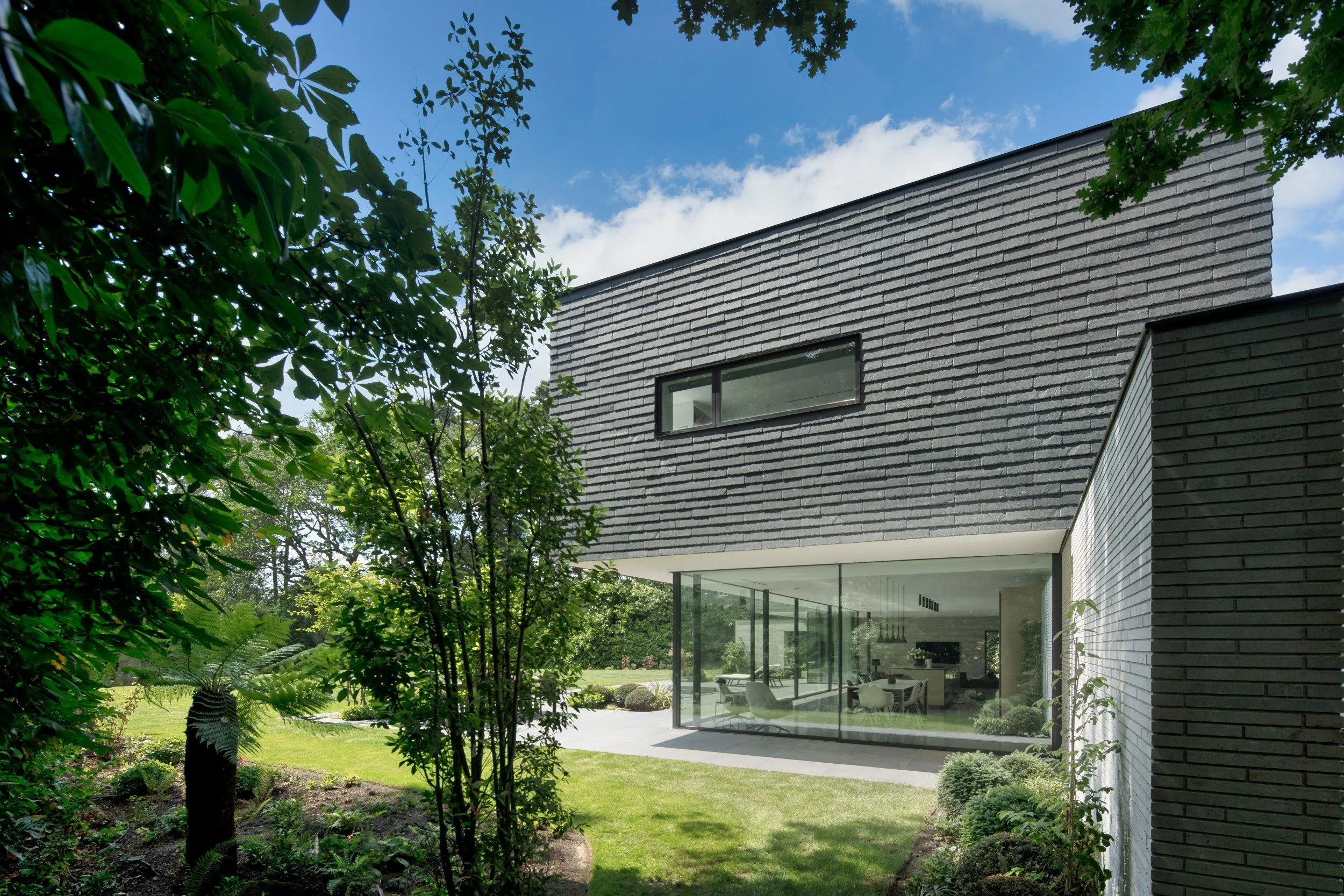
Stone works exceptionally well alongside modern materials such as glass, steel and timber. The contrast between the solidity of stone and the transparency of glazing can create visually dramatic compositions while enhancing the relationship between interior and exterior spaces.
Expansive glass openings framed by stone walls allow natural light to flood interiors while maintaining a strong architectural presence. Similarly, combining stone with warm timber elements can soften contemporary forms and create a welcoming atmosphere.
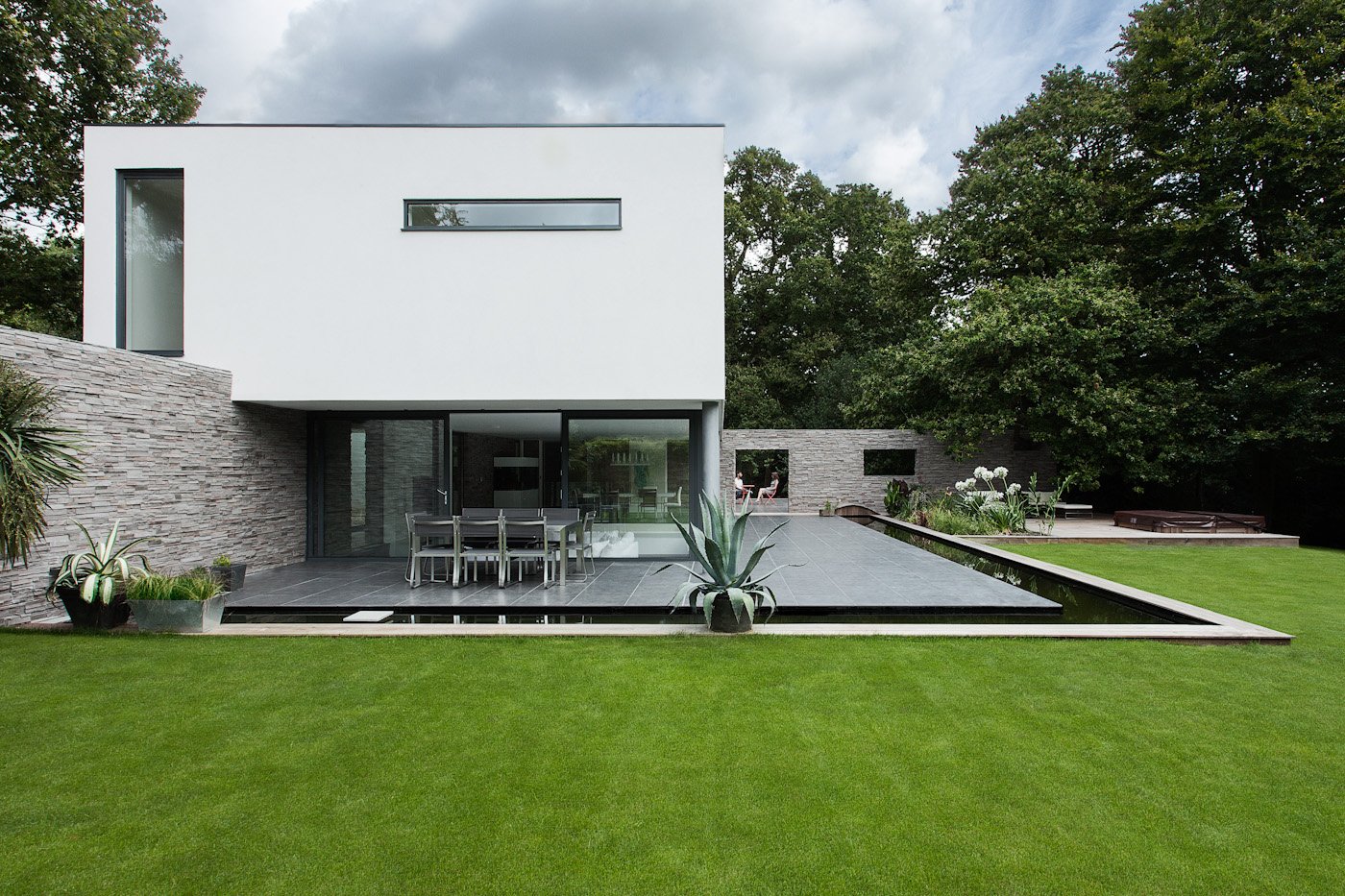
Indoor-Outdoor Continuity
Contemporary homes increasingly blur the boundaries between inside and outside. Stone is particularly effective in creating a seamless visual connection between internal living spaces and external terraces, courtyards and gardens.
Using the same or complementary stone materials across both environments can enhance spatial flow and strengthen the relationship with the surrounding landscape. This approach is especially effective in rural and semi-rural settings where architecture seeks to sit harmoniously within its context.
Sustainability and Longevity
Sustainability is no longer simply a design consideration—it is a fundamental aspect of responsible architecture.
Natural stone offers several environmental advantages. Its exceptional lifespan reduces the need for replacement, while its thermal mass can contribute to improved energy performance by helping regulate indoor temperatures. When sourced responsibly and locally, stone can also reduce transportation impacts and support regional supply chains.
Perhaps most importantly, buildings designed with durable, high-quality materials are more likely to remain valued and adaptable over time. Creating homes that stand the test of time is one of the most sustainable choices architects and homeowners can make.
Considering Stone for Your Project?
Every site presents unique opportunities and challenges. The successful use of stone requires careful consideration of context, planning requirements, sustainability goals and architectural vision.
If you're planning a new home, extension or renovation and would like to explore how natural materials can elevate your project, our team would be delighted to discuss the possibilities and help bring your vision to life.