
How to Choose the Right Material for Your Home
When planning a new home, extension or renovation, one of the most significant design decisions you'll make is choosing the external materials. The finish of your home not only shapes its appearance and character but also influences maintenance requirements, longevity, sustainability and, ultimately, its value.
With so many options available, it can be difficult to know where to start. Four of the most popular choices in residential architecture are render, brick, timber and stone. Each offers distinct advantages and creates a very different aesthetic.
Here's what to consider when deciding which material is right for your project.
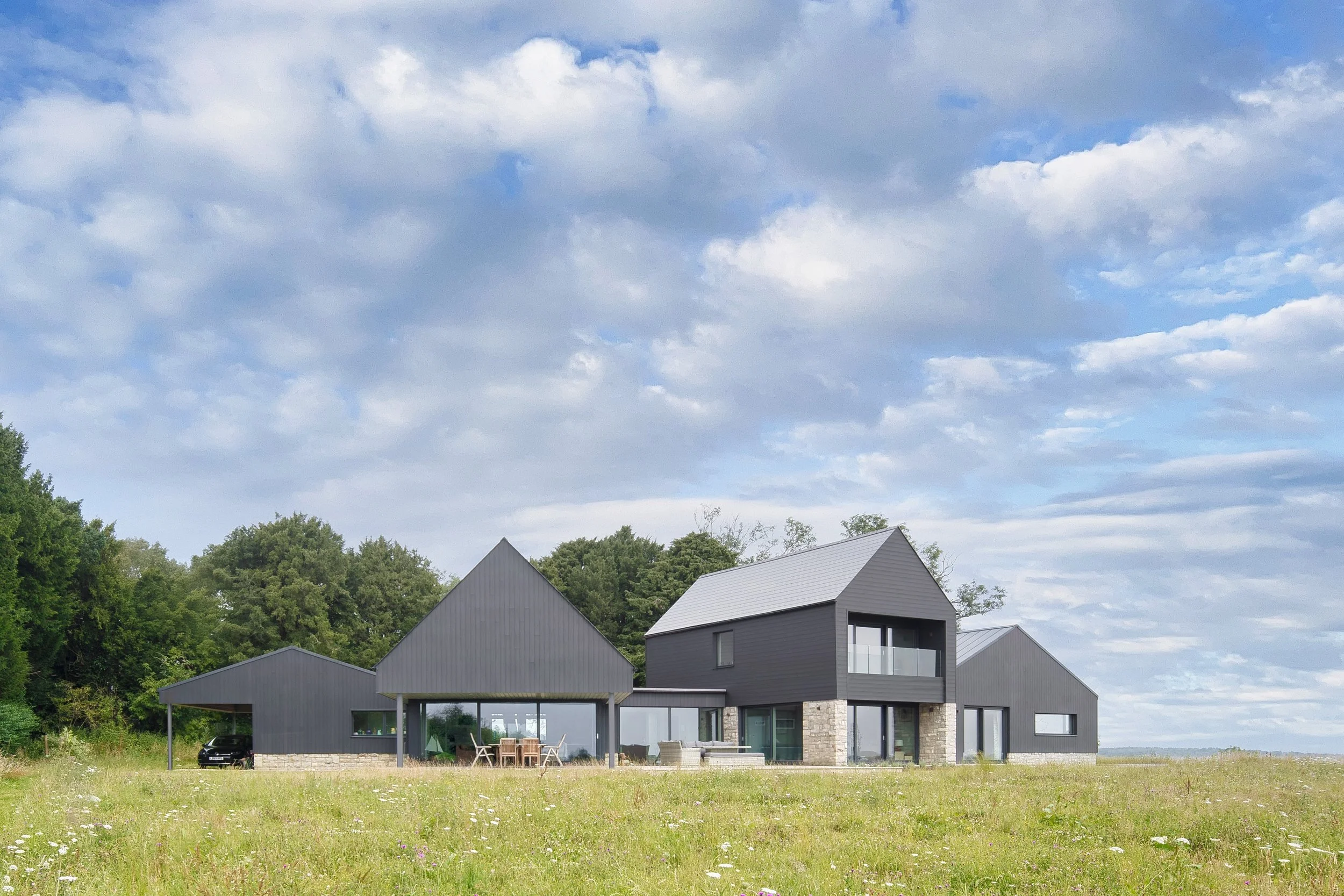
Start with the Context
Before exploring specific materials, it's important to consider the setting of your home.
A contemporary extension in a suburban neighbourhood may suit a crisp rendered finish, while a rural home might feel more at home with timber cladding or natural stone. Local planning policies can also influence material choices, particularly in conservation areas or locations with a strong architectural character.
Rather than viewing materials in isolation, we encourage clients to think about how their home will sit within its surroundings and how they want it to be perceived.
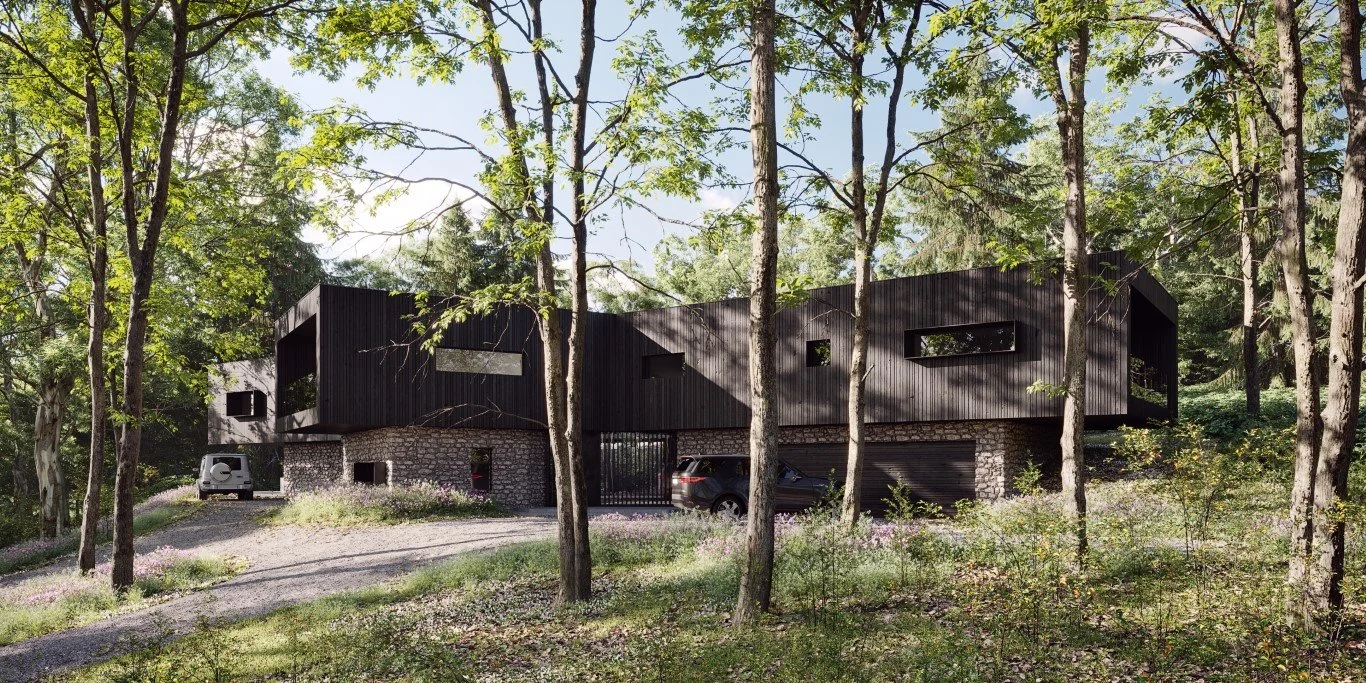
Render: Clean, Contemporary and Versatile
Render has become increasingly popular in modern residential architecture thanks to its clean lines and minimalist appearance.
Available in a wide range of colours and textures, render can create a sleek contemporary aesthetic or a softer, more traditional look depending on the specification.
Advantages:
Contemporary appearance
Wide range of finishes and colours
Can be applied to new and existing buildings
Works well alongside other materials such as timber or brick
Considerations:
May require periodic cleaning to maintain its appearance
Lower-quality systems can be prone to cracking over time
Some finishes can show dirt more readily in exposed locations
Render is often an excellent choice for extensions where homeowners want to create a clear distinction between old and new.
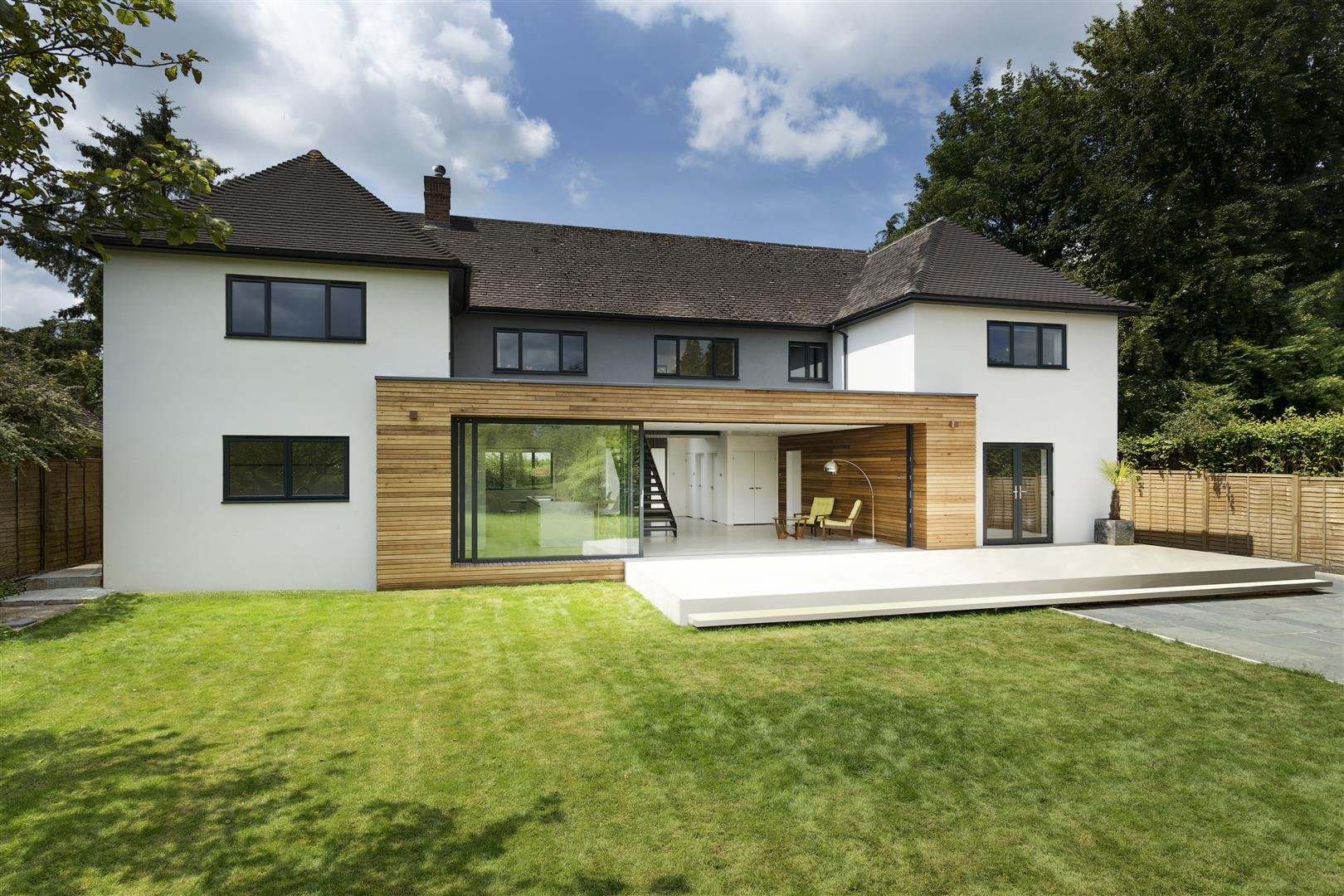
Brick: Timeless and Durable
Brick remains one of the UK's most enduring building materials, valued for its durability, low maintenance requirements and broad design flexibility.
Whether you prefer traditional red brick, contemporary buff tones or darker engineered bricks, there are countless options available to suit different architectural styles.
Advantages:
Extremely durable and long-lasting
Low maintenance
Strong thermal performance when combined with modern construction methods
Complements both traditional and contemporary designs
Considerations:
Higher-quality bricks can increase project costs
Colour matching may be important when extending existing properties
Design impact depends heavily on brick selection and detailing
Brick offers reassurance for many homeowners because it is familiar, proven and often ages gracefully over decades.
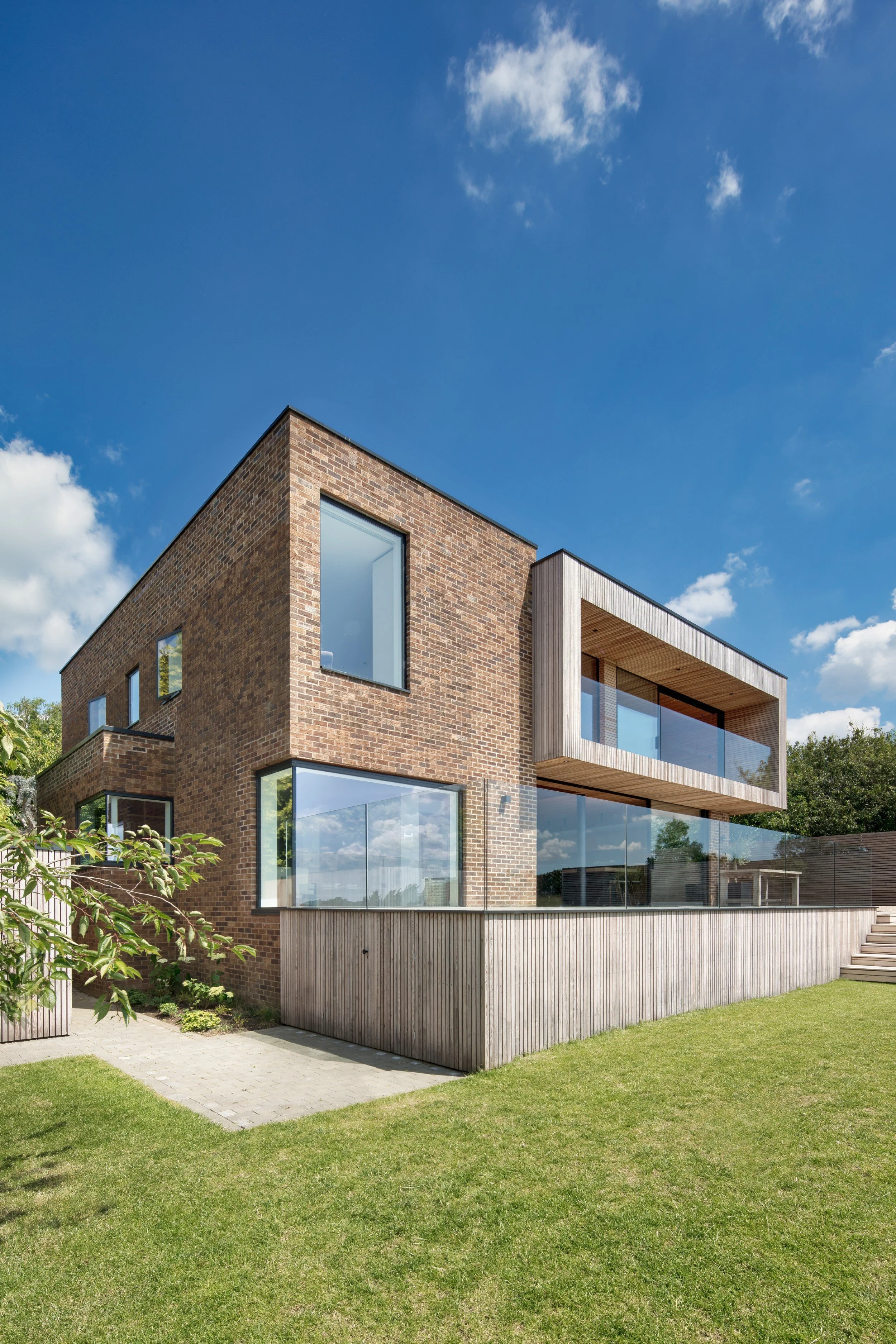
Timber: Warm, Natural and Sustainable
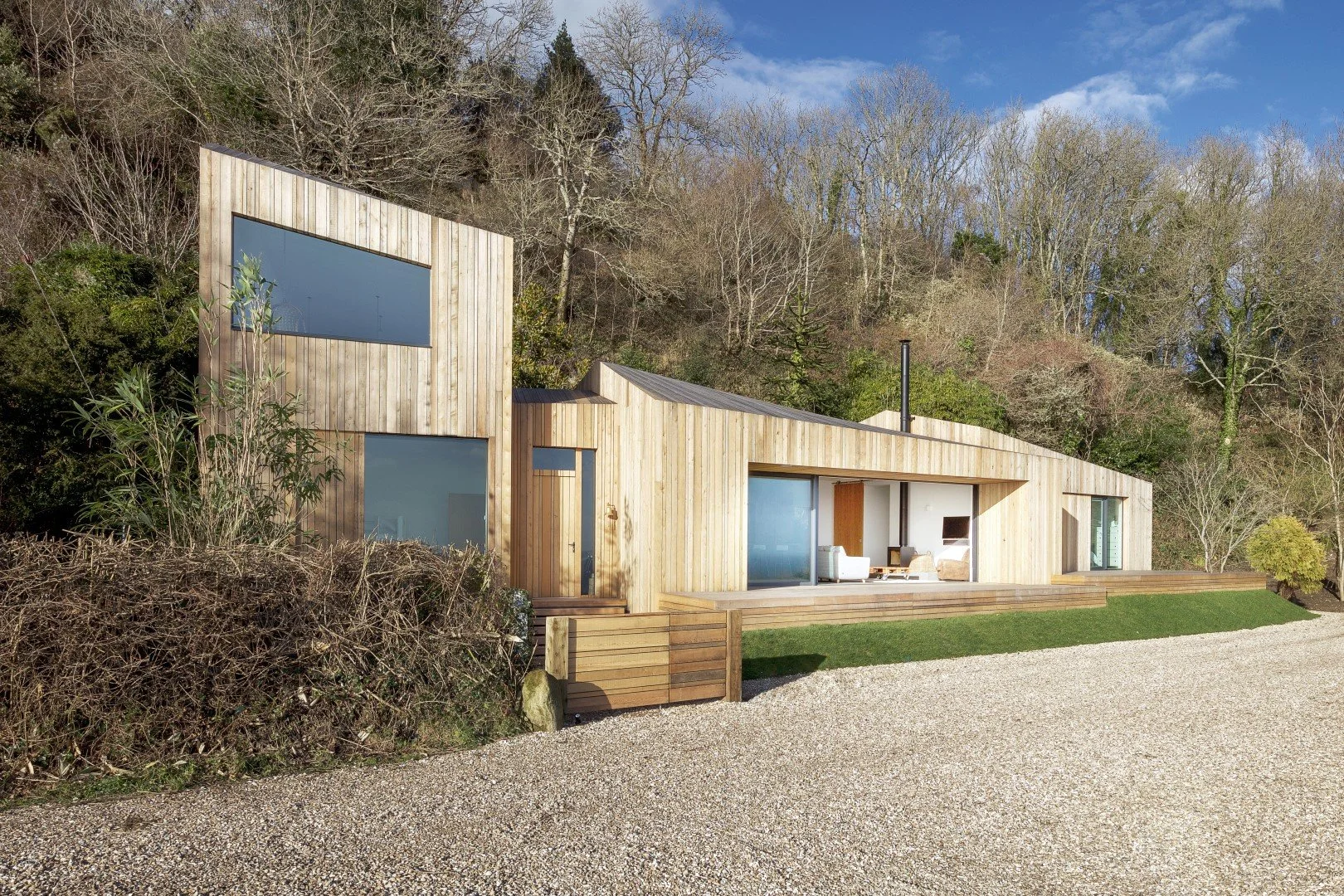
Timber cladding has become a defining feature of many contemporary homes and extensions. It introduces warmth, texture and a strong connection to nature.
Species such as cedar, larch and thermally modified timber each offer different appearances and weathering characteristics.
Advantages:
Natural, attractive appearance
Renewable material when responsibly sourced
Creates warmth and visual interest
Complements modern architectural design
Considerations:
Some timber species require regular maintenance
Natural weathering changes colour over time
Detailing and installation quality are critical for longevity
Many clients are initially concerned about timber ageing, but in many cases the silver-grey patina that develops over time becomes one of its most appealing characteristics.
Stone: Character, Permanence and Prestige
Natural stone has a timeless quality that few materials can match. It conveys craftsmanship, permanence and a strong connection to local building traditions.
From limestone and sandstone to contemporary stone cladding systems, stone can be used in both traditional and modern architectural settings.
Advantages:
Exceptional longevity
Unique natural character and texture
Premium appearance
Ages beautifully over time
Considerations:
Typically one of the more expensive material choices
Installation can be more labour-intensive
Material availability may vary regionally
Stone is often particularly effective when used selectively, perhaps as a feature element combined with brick, render or timber.
Don't Feel Limited to Just One Material
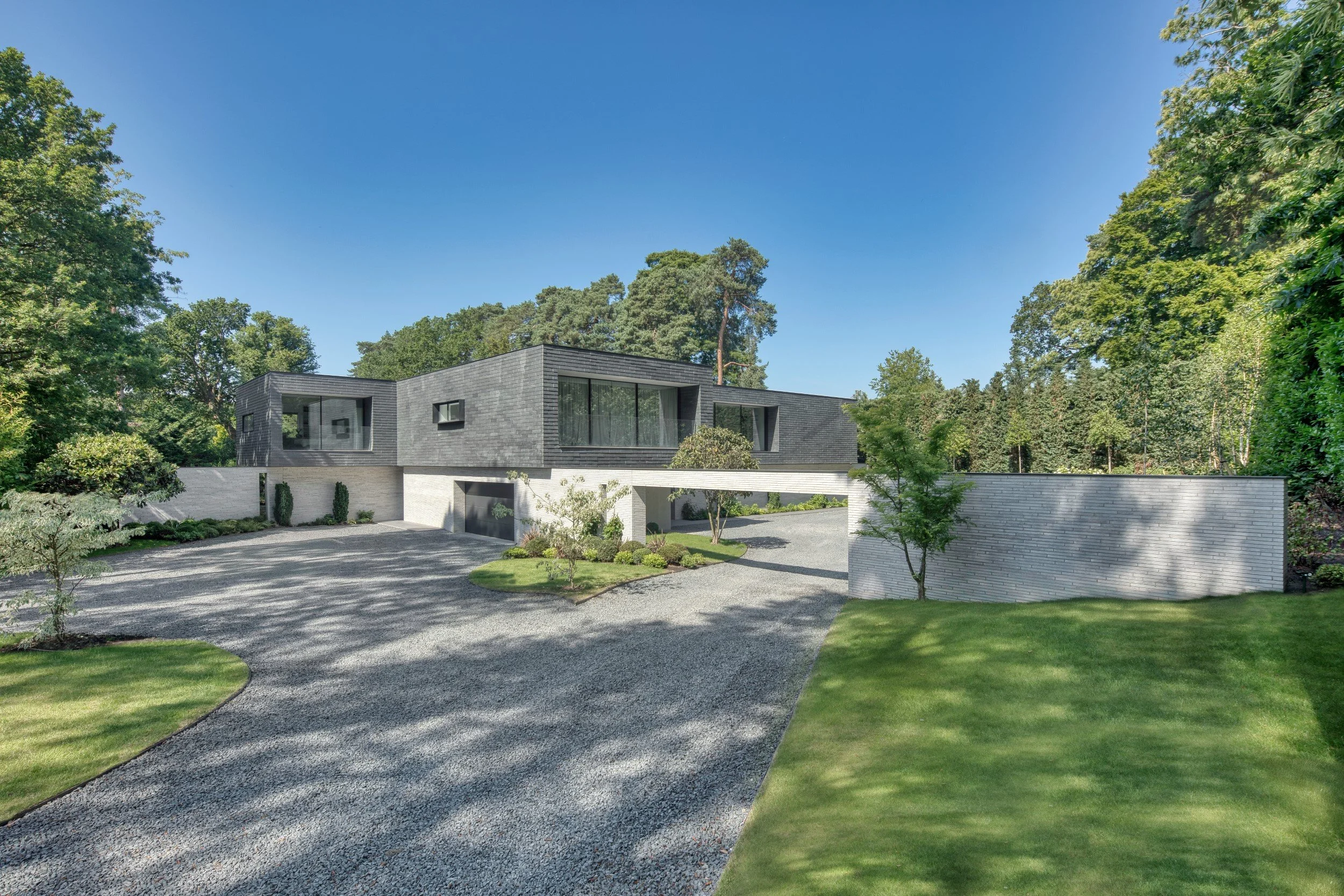
Some of the most successful homes combine materials rather than relying on a single finish.
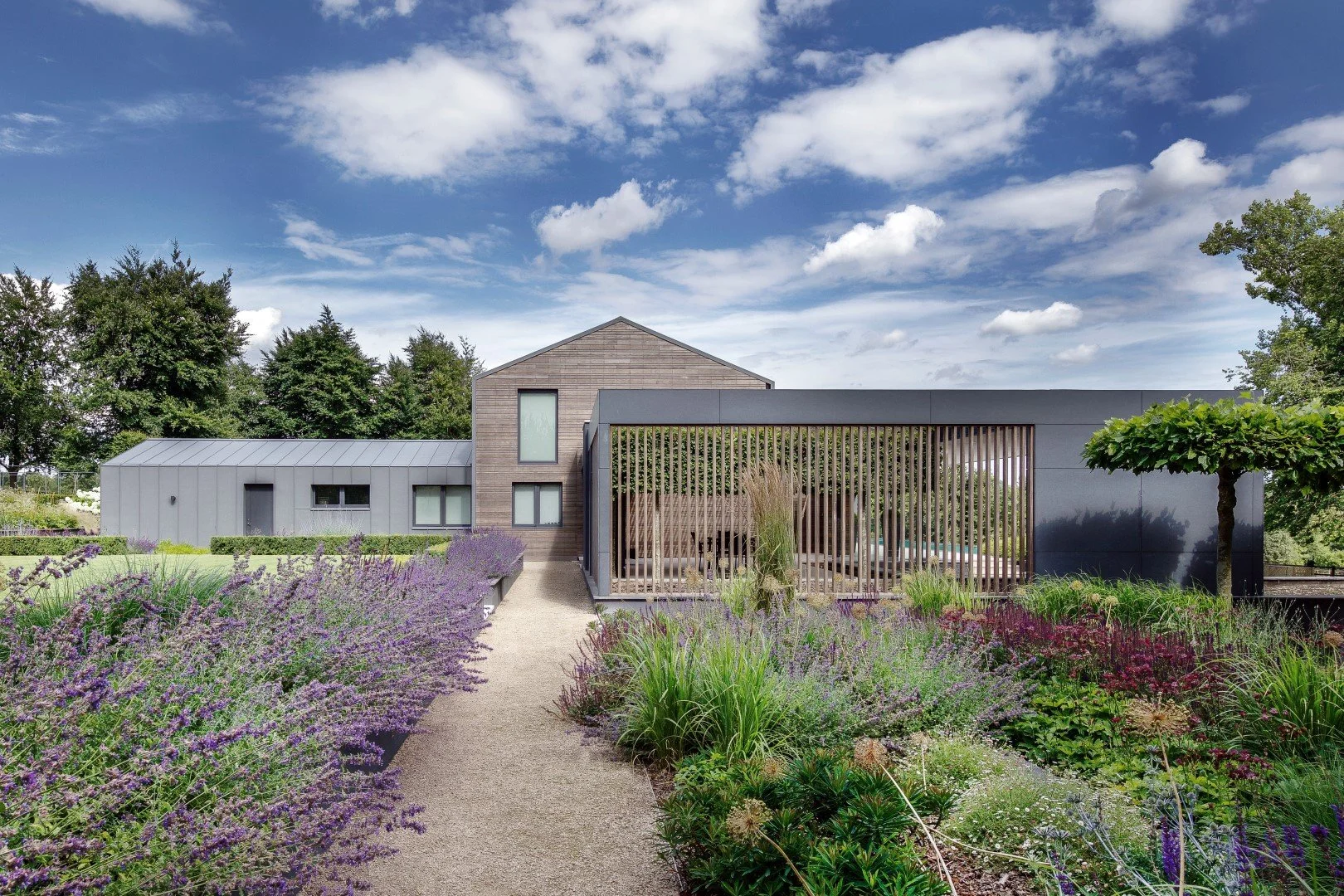
A rendered upper floor above brickwork, timber cladding used to highlight an extension, or stone detailing around entrances can create depth, contrast and visual interest.
Material combinations also allow different parts of a building to express their function and character while helping larger projects feel more balanced and refined.
Consider Maintenance and Long-Term Performance
While appearance is often the starting point, it's equally important to think about how materials will perform over the coming years.
Ask yourself:
How much maintenance am I comfortable with?
How exposed is the site to weather?
Do I want materials that change over time or remain consistent?
What is my budget for both construction and future upkeep?
The answers can significantly influence which option provides the best long-term value.
The Best Material Is the One That Supports the Overall Design
There is rarely a single "correct" material choice. The best solution depends on the architecture, the setting, the budget and your personal preferences.
At the beginning of every project, we work closely with clients to explore materials in context, considering not only aesthetics but also planning requirements, performance, sustainability and long-term maintenance.
The result is a home that feels cohesive, responds to its surroundings and reflects the people who live there.
Thinking about a new home, extension or renovation?
Choosing materials can feel overwhelming, but with the right guidance it becomes an exciting part of the design process. If you're considering a project and would like expert advice on the materials that could work best for your home, we'd be happy to help.