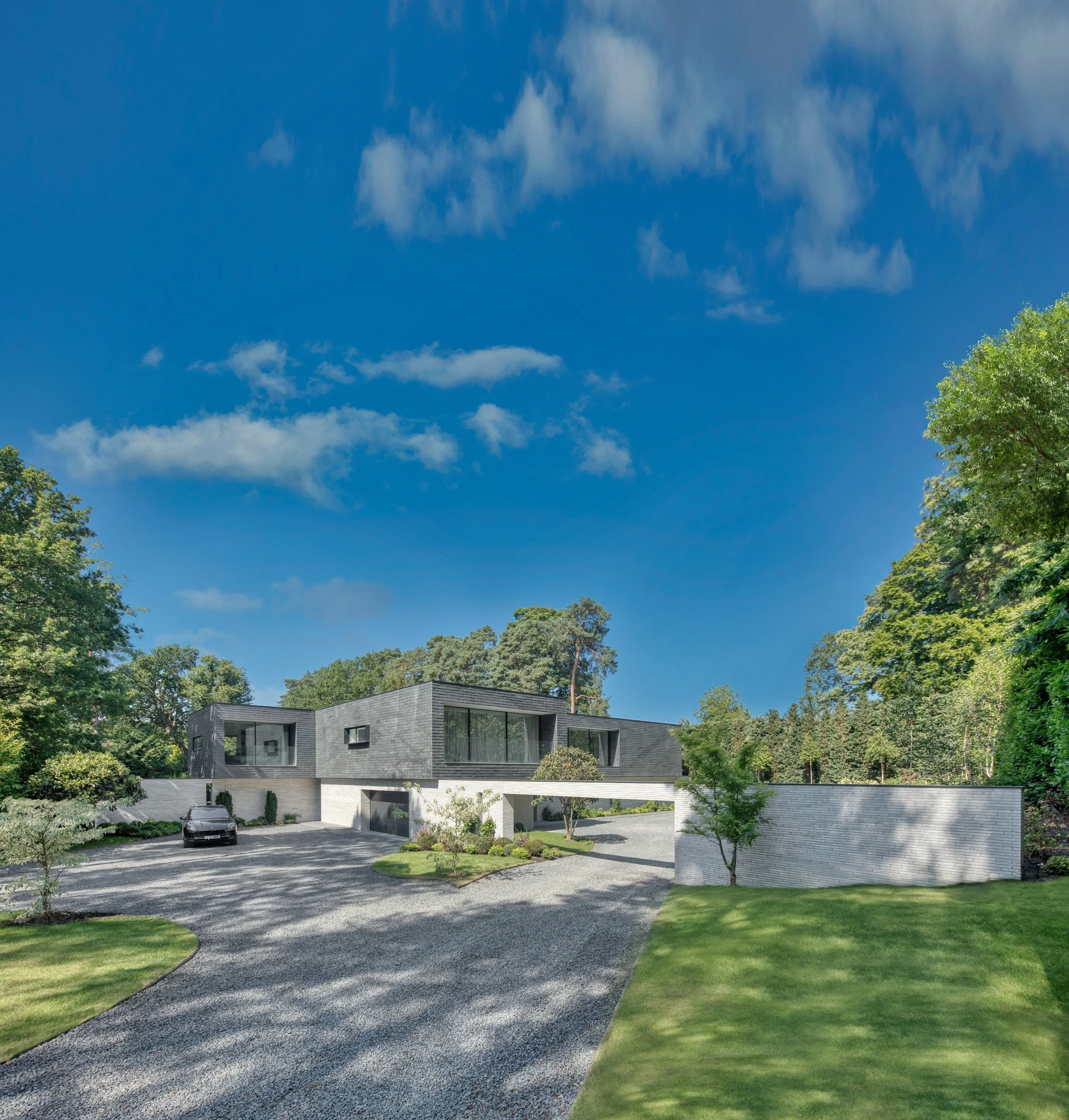
Why Landscape Should Come First When Designing a New Home
When most people begin planning their dream home, they naturally focus on the house itself. They think about the number of bedrooms, the kitchen layout, ceiling heights, and architectural style. The landscape is often considered later, something to be added once construction is complete.
As an architect, we believe this approach misses a significant opportunity.
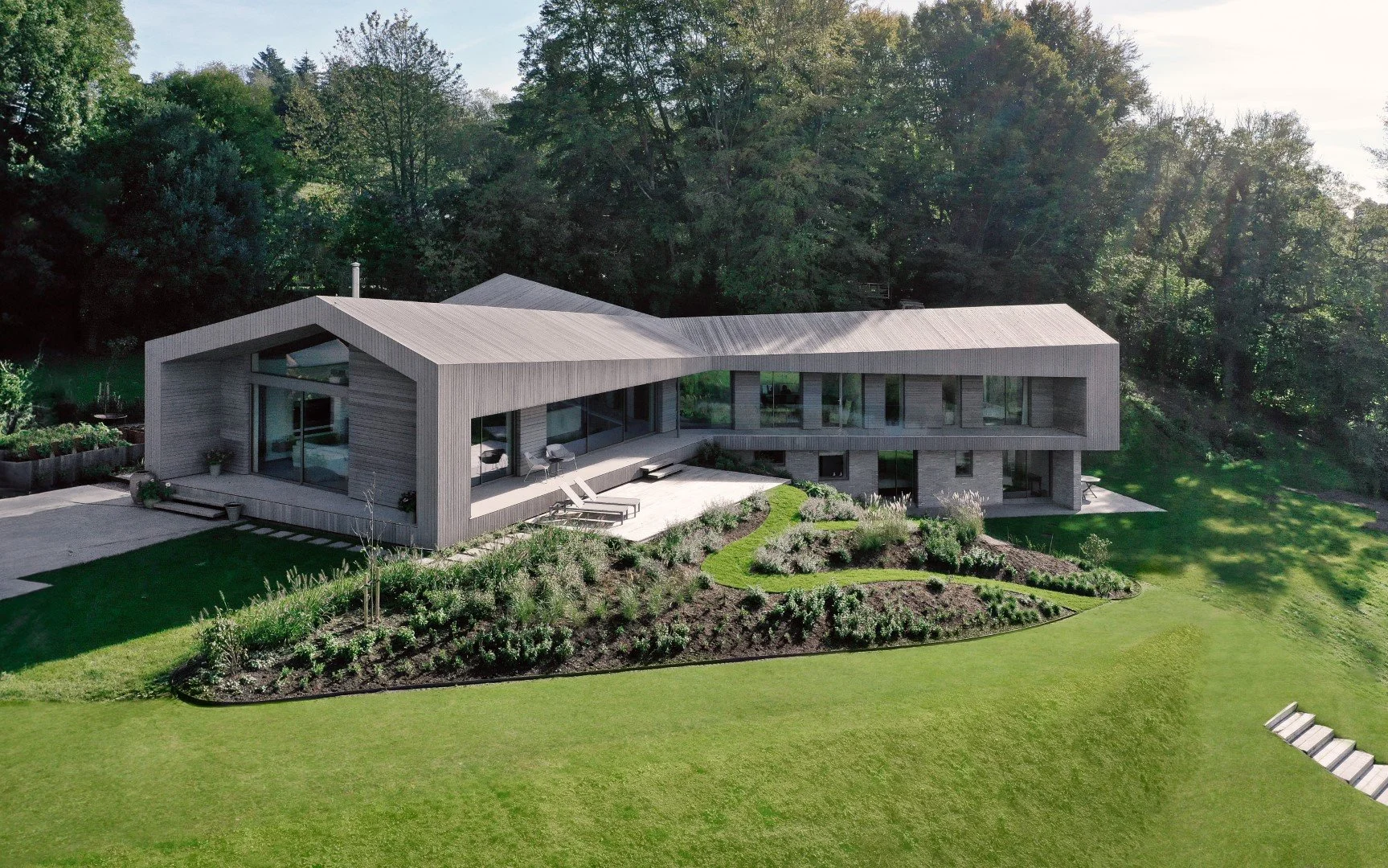
The most successful homes are not simply placed on a site; they are shaped by it. That's why landscape should be one of the very first considerations when designing a new home, not an afterthought.
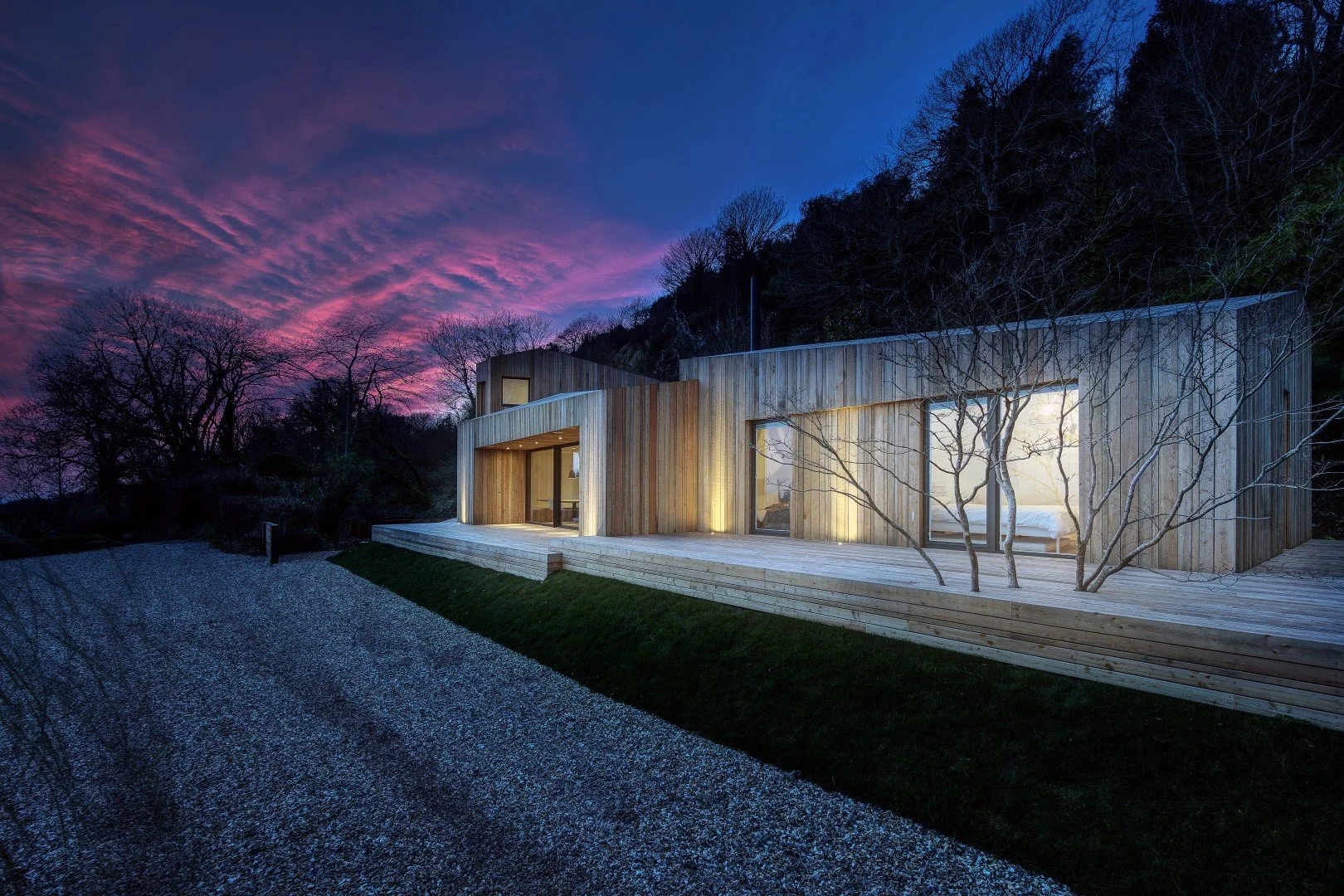
Your Home Doesn't End at the Exterior Walls
A home is more than the building itself. The garden, terraces, pathways, views, and outdoor living areas all contribute to how you experience the property every day.
When landscape design is integrated from the start, indoor and outdoor spaces work together seamlessly. Living rooms open onto carefully positioned terraces, kitchens connect naturally to entertaining spaces, and bedrooms frame beautiful garden views.
The result is a home that feels larger, more connected, and more enjoyable to live in.
The Site Holds Valuable Design Clues
Every plot of land has its own unique characteristics. The slope of the site, existing trees, sunlight patterns, prevailing winds, and surrounding views all provide important information that should influence the design.
By understanding the landscape first, we can determine:
The best position for the house
Where natural light can be maximised
How to create privacy without sacrificing openness
Which views should be highlighted
How outdoor spaces can be sheltered and comfortable throughout the year
When these factors are considered early, the architecture feels naturally connected to its surroundings rather than imposed upon them.
Mature Trees Are Assets, Not Obstacles
One of the most common mistakes in residential development is treating existing landscape features as problems to be removed.
Mature trees, established hedgerows, and natural topography often provide character that cannot be replicated for decades.
A well-designed home can be carefully positioned to preserve these valuable features, creating immediate maturity and beauty from the day you move in.
In many cases, a single mature tree can become the defining feature around which the entire design is organised.
Better Outdoor Living Starts with Early Planning
Outdoor living has become an essential part of modern home design. Whether it's a family garden, outdoor kitchen, swimming pool, fire pit, or quiet retreat, these spaces deserve the same level of attention as the interiors.
When landscape planning begins early, we can ensure:
Terraces receive the right amount of sunlight
Outdoor dining areas are protected from prevailing winds
Garden rooms connect naturally to interior spaces
Planting enhances privacy and seasonal interest
Future features such as pools or garden studios are accommodated from the beginning
The result is a home that functions beautifully both inside and out.
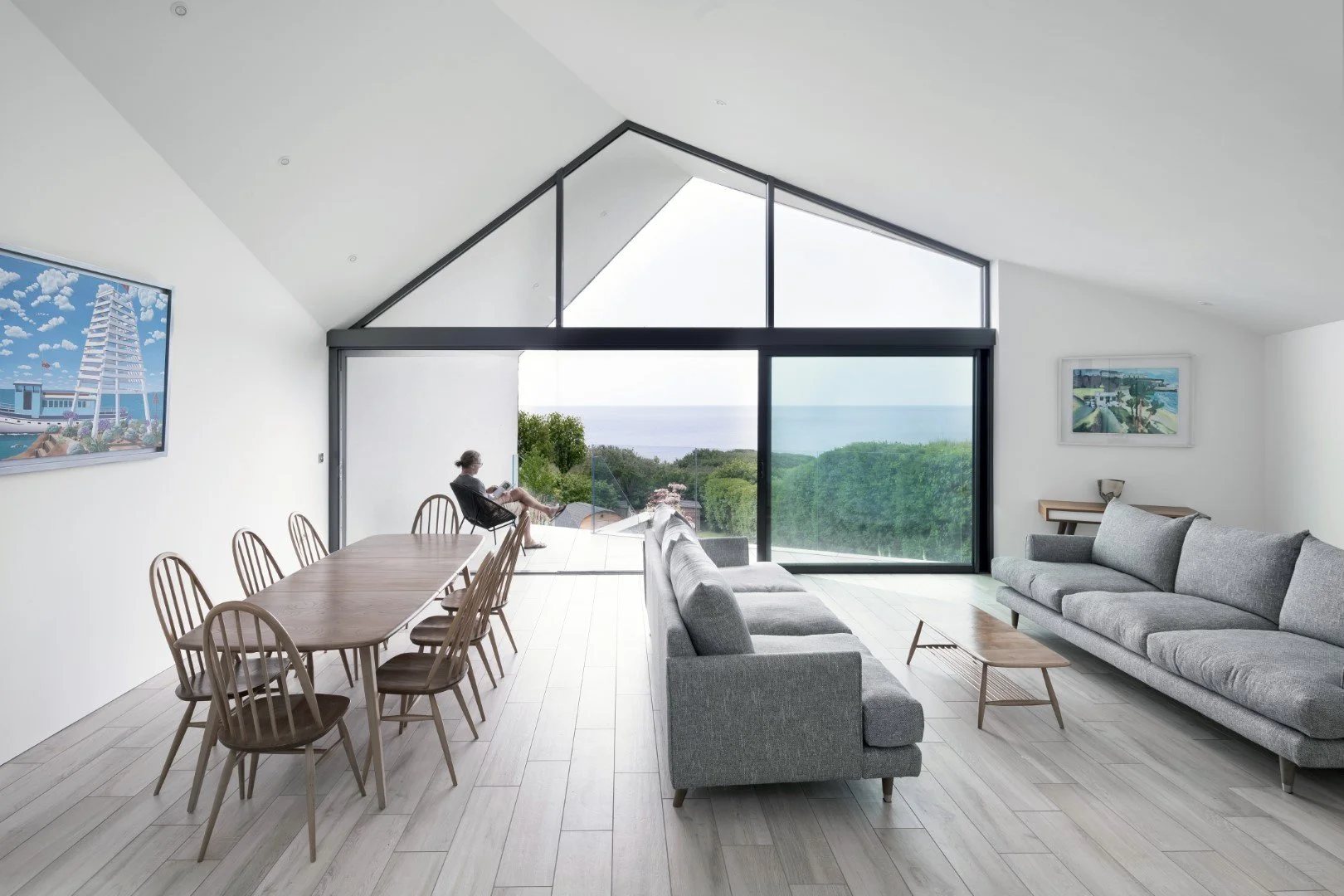
Landscape Can Improve Sustainability
Thoughtful landscape design contributes significantly to a home's environmental performance.
Trees provide natural shading that reduces overheating in summer. Strategic planting can act as wind protection during colder months. Rain gardens and permeable surfaces help manage stormwater effectively. Native planting supports biodiversity and local wildlife.
When architecture and landscape are designed together, sustainability becomes an integrated feature rather than an added extra.
It Can Save Money in the Long Run
Many homeowners are surprised to learn that early landscape planning often reduces costs.
When outdoor spaces are considered after construction, expensive modifications may be required. Drainage systems may need adjustment, retaining walls may become necessary, and opportunities for efficient grading may have already been lost.
By coordinating landscape and architecture from the outset, we can avoid costly revisions and ensure every part of the site works together efficiently.
Creating a Sense of Arrival
The journey to your front door is the first experience of your home.
The driveway, entrance sequence, planting, lighting, and views all contribute to a powerful first impression. These elements should not be left until the end of the project.
A carefully designed landscape creates anticipation, frames the architecture, and establishes a sense of place long before anyone steps inside.
The Best Homes Feel Like They Belong
Ultimately, great residential design is about creating a home that feels rooted in its setting.
When landscape comes first, the architecture responds naturally to the land. The building, garden, and environment become part of a single cohesive vision rather than separate elements assembled over time.
As architects, our goal is not simply to design a beautiful house. It is to create a place where architecture and landscape work together to enhance daily life.
The most memorable homes are rarely those with the largest floor plans or the most expensive finishes. They are the homes that feel perfectly connected to their surroundings.
And that connection begins with the landscape.