
Designing for Privacy Without Sacrificing Views
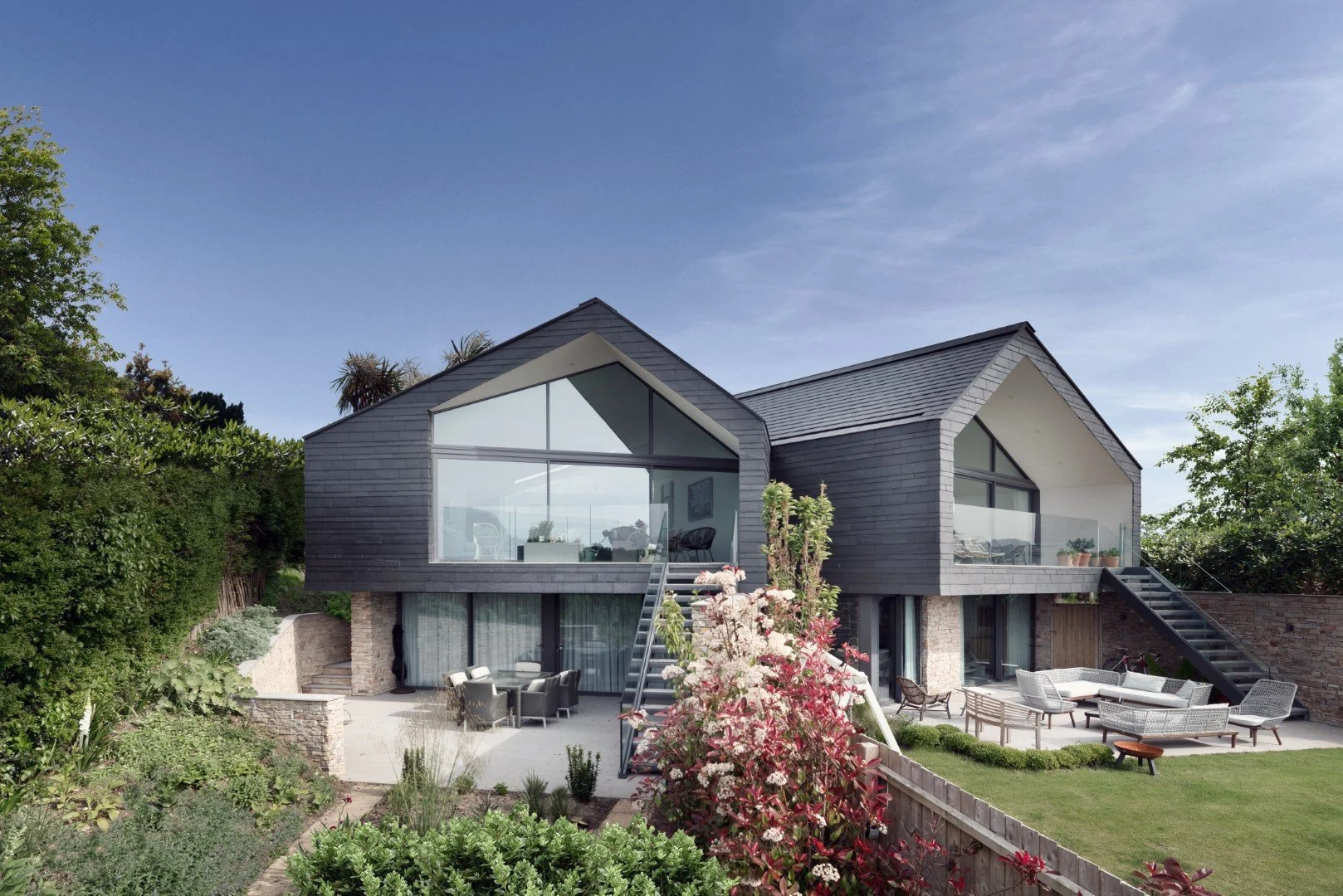
When a site has an exceptional outlook, it is natural to want to make the most of it. Large areas of glazing, open-plan living spaces and carefully positioned terraces can bring the landscape into the heart of a home.
But the best views don't always come without challenges.
A beautiful rural setting can be overlooked by a neighbouring property. A coastal home might sit close to a public footpath. An urban plot may have views that come with a lack of privacy.
The challenge is finding a balance between opening a home up to its surroundings and creating spaces that still feel private and protected.
Good design doesn't mean choosing between the two. It means considering both from the very beginning.
Start with the site
Privacy should be part of the design process from the outset, rather than something that is dealt with once the house has been designed.
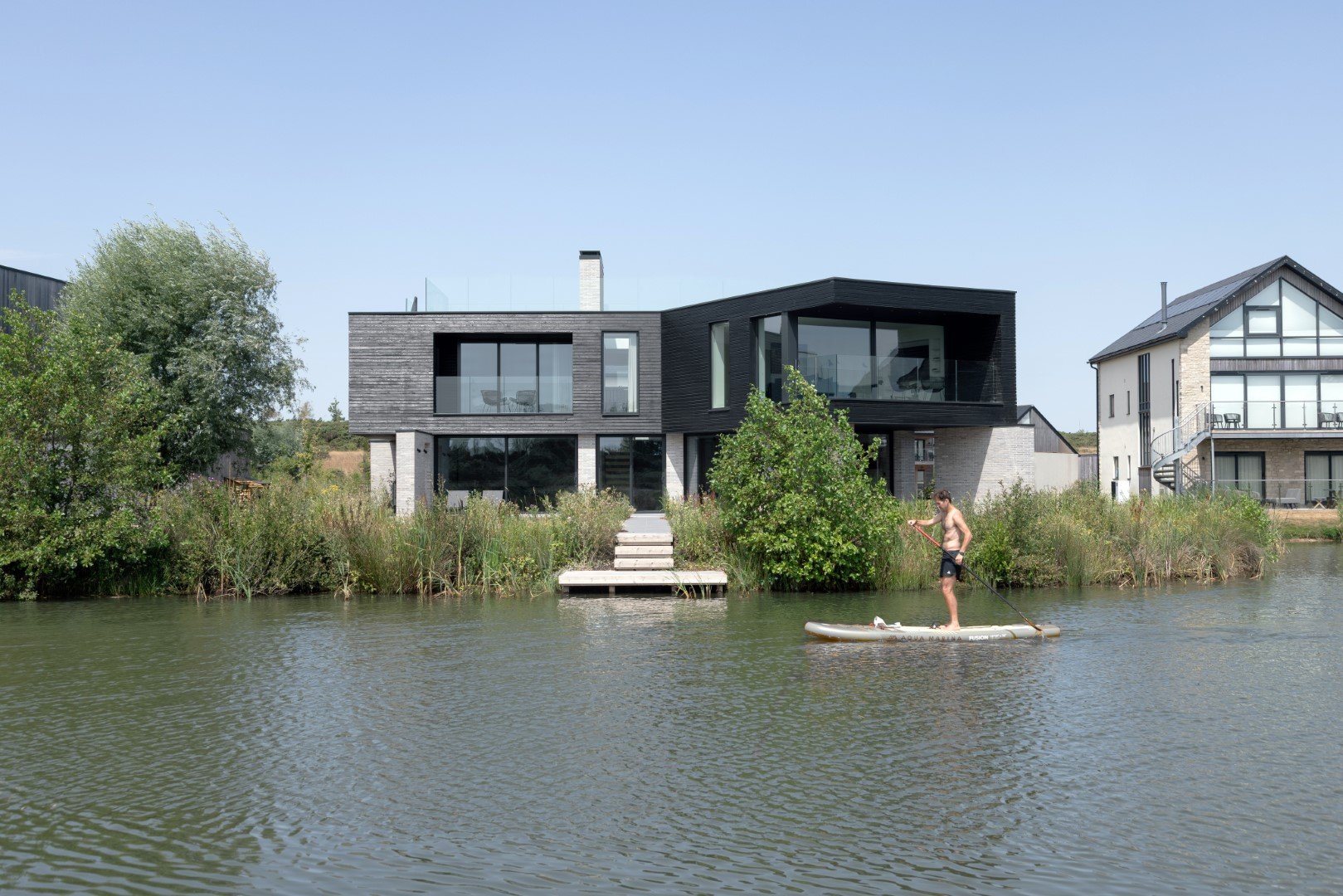
Understanding how a site is positioned, where neighbouring properties sit, how people move around it and where the important views are allows the building to respond intelligently to its surroundings.
Sometimes the best solution is simply to change the orientation of the house or position a room slightly differently.
A window might face towards a distant landscape rather than directly towards a neighbour. A living space might be angled towards the best part of the view, while a more private elevation remains deliberately restrained.
Small changes in position can make a significant difference.
Frame the view
More glazing doesn't necessarily mean better views.
A carefully positioned window can be much more effective than an entire glazed wall. By treating windows as frames for the landscape, it is possible to focus attention on a particular view while controlling unwanted sightlines.
This could be a distant horizon, a woodland, a garden or a single mature tree.
The architecture becomes a way of revealing the landscape rather than simply exposing the entire site to it.
In some cases, a smaller opening can create a much stronger connection with the outside because the view has been deliberately selected.
Think about what you're looking away from
When designing around a spectacular view, it is easy to focus entirely on what the house should face.
But understanding what the house shouldn't face can be equally important.
Neighbouring windows, roads, footpaths and overlooking properties all influence the position and size of openings.
This doesn't necessarily mean turning those elevations into blank walls. Carefully considered openings, screening and changes in orientation can provide daylight and ventilation while maintaining privacy.
The result is a home that feels open where it needs to be, and protected where it matters.
Use the layout to create privacy
Privacy isn't only about windows.
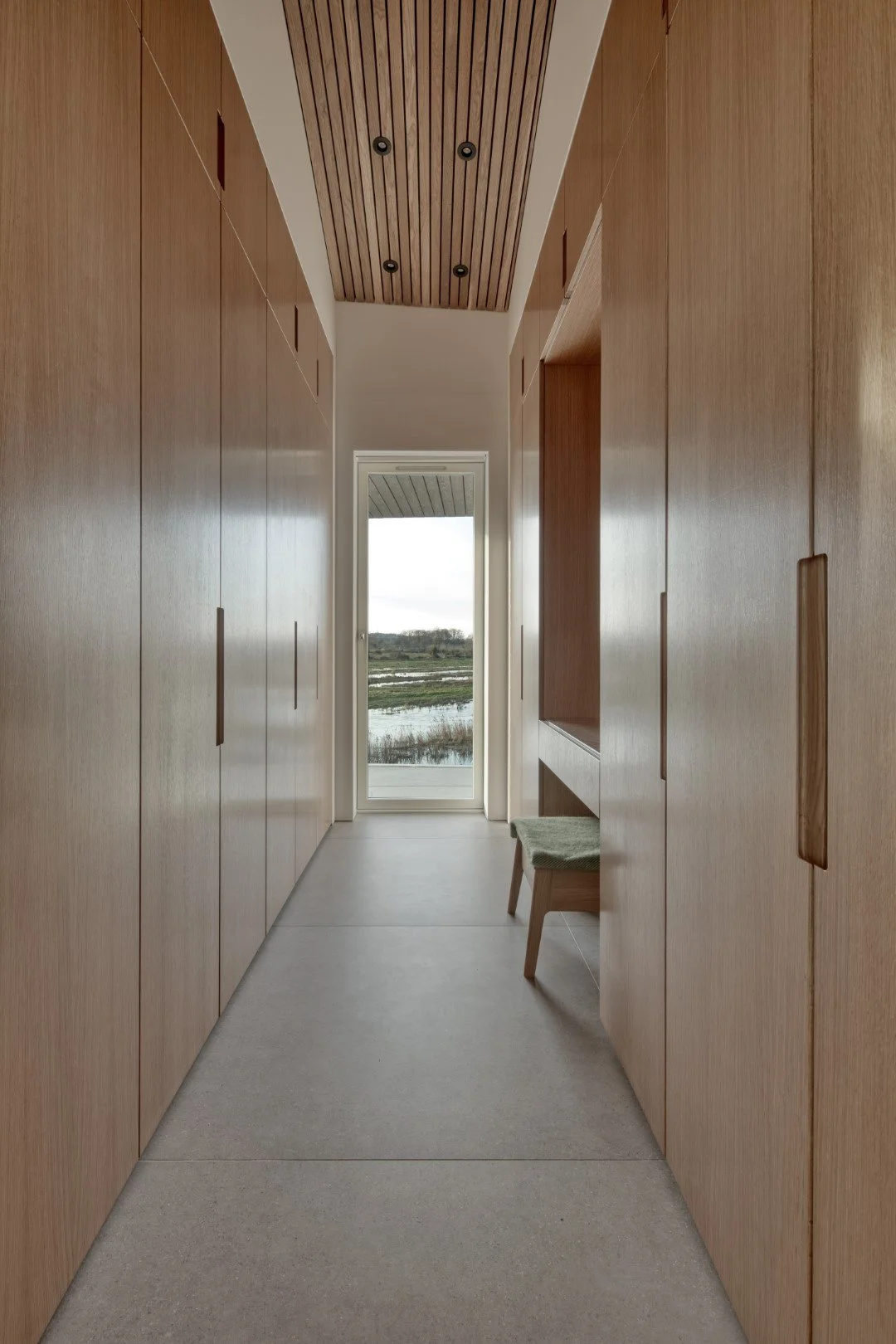
The arrangement of rooms can have a huge impact on how a home feels. Bedrooms and more private spaces can be positioned away from potential overlooking, while kitchens, living rooms and entertaining spaces can be oriented towards the landscape.
Circulation can also help create separation, with hallways, staircases or secondary spaces acting as a buffer between more public and private areas.
This means privacy becomes part of the architecture itself, rather than something that needs to be added afterwards with blinds or curtains.
Create privacy outside too
The relationship between the house and its garden is just as important.
A terrace with an incredible view may not feel particularly enjoyable if it is completely exposed to a neighbouring property or public route.
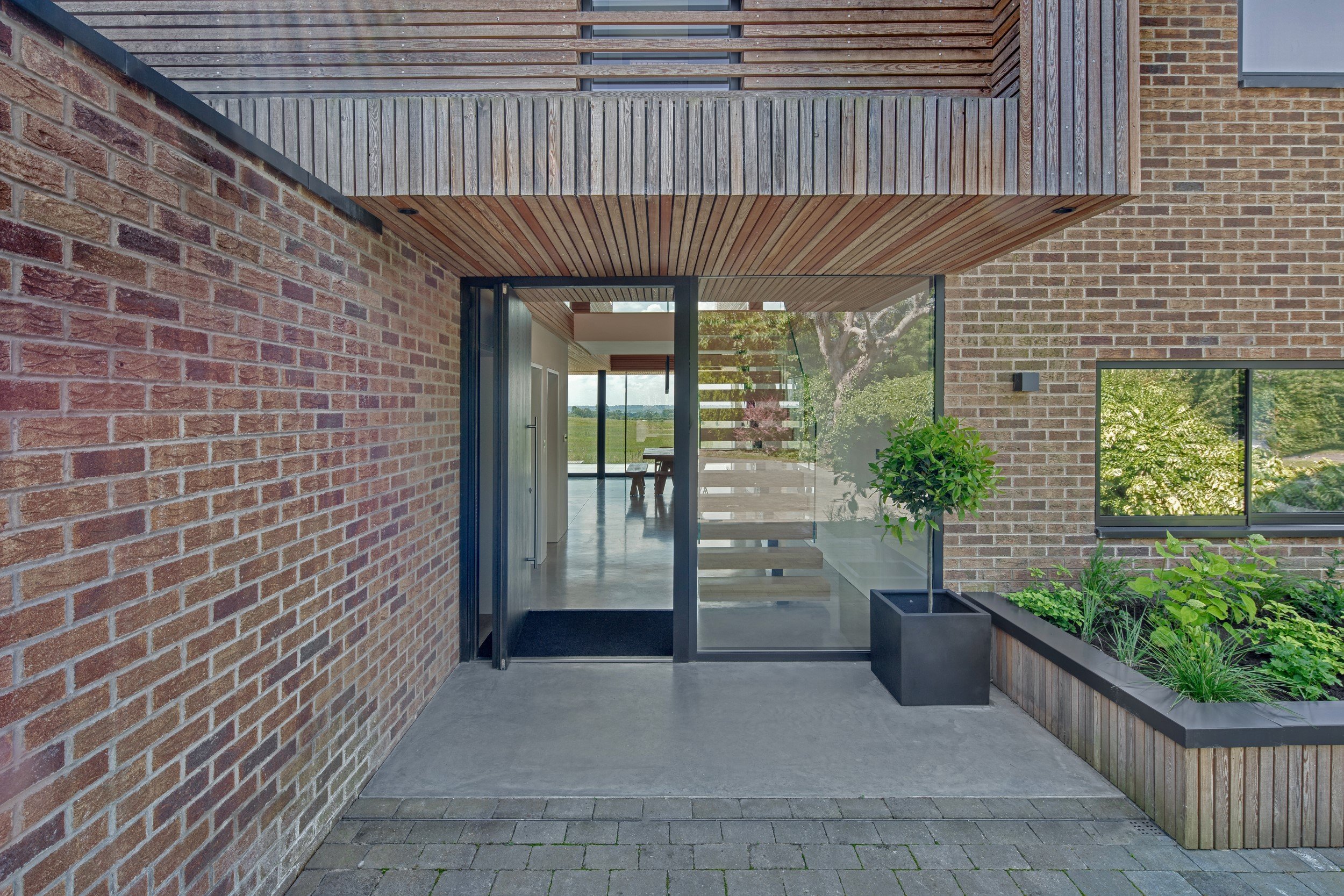
Outdoor spaces can be carefully positioned, recessed into the building or enclosed on one or two sides to create a greater sense of privacy.
Walls, planting and changes in level can also help define outdoor rooms without completely cutting them off from the wider landscape.
The aim isn't necessarily to block everything out. Often, creating a sense of enclosure is enough.
Let the landscape do the work
Planting can be one of the most effective ways to create privacy without compromising views.
Trees and hedges can filter rather than block sightlines, providing a softer alternative to walls and fences. Existing mature planting can also become an important part of the design, influencing where rooms, windows and outdoor spaces are positioned.
Over time, the landscape can become an integral part of the architecture, providing privacy while also bringing texture, seasonal change and nature closer to the home.
Don't overlook changes in level
The natural topography of a site can also be used to create privacy.
On a sloping site, positioning a building at a different level can change sightlines dramatically. Raising or lowering a room, introducing split levels or partially embedding a building into the landscape can help reduce overlooking without sacrificing daylight or views.
Rather than seeing the site's levels as a constraint, they can become an opportunity to create a more interesting relationship between the house and its surroundings.
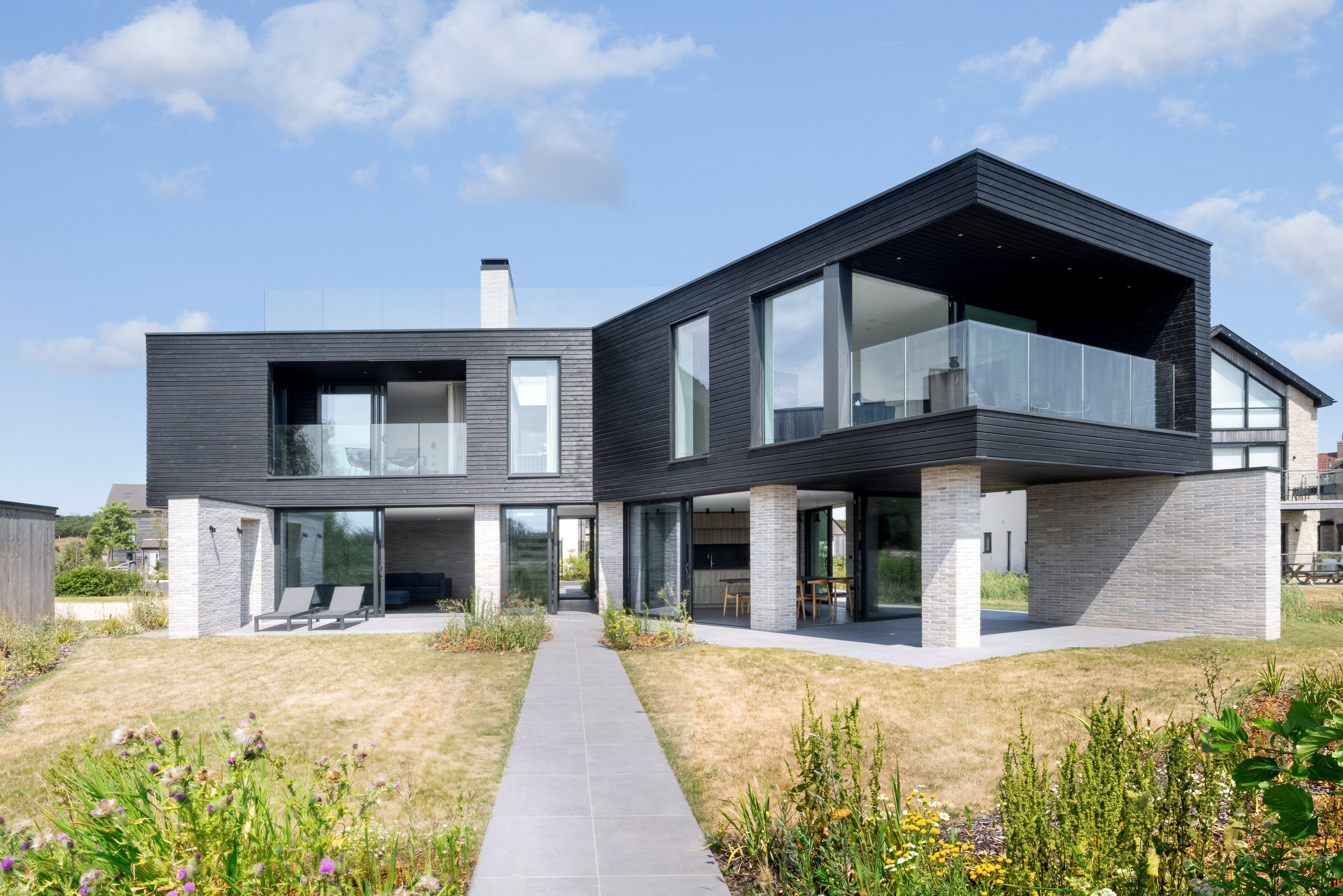
Designing for moments of connection
Ultimately, a successful home doesn't need to offer the same view from every room.
One space might open completely towards the landscape, while another offers a more intimate framed view. A bedroom might look onto a private garden, while a living room captures the distant horizon.
These different experiences make a house more interesting to live in.
The most memorable views are often not the biggest ones, but the ones that have been carefully revealed Privacy and openness can coexist
The strongest architectural responses don't treat privacy and views as opposing ideas.
Instead, they consider how the two can work together, through orientation, proportion, glazing, landscaping, levels and the arrangement of spaces.
The result is a home that feels connected to its surroundings without feeling exposed. A place where you can enjoy the landscape, bring natural light deep into the house and make the most of an exceptional setting, while still having spaces to retreat to.