
Architecture Beyond the Boundaries of a Site: Designing for the Wider Landscape
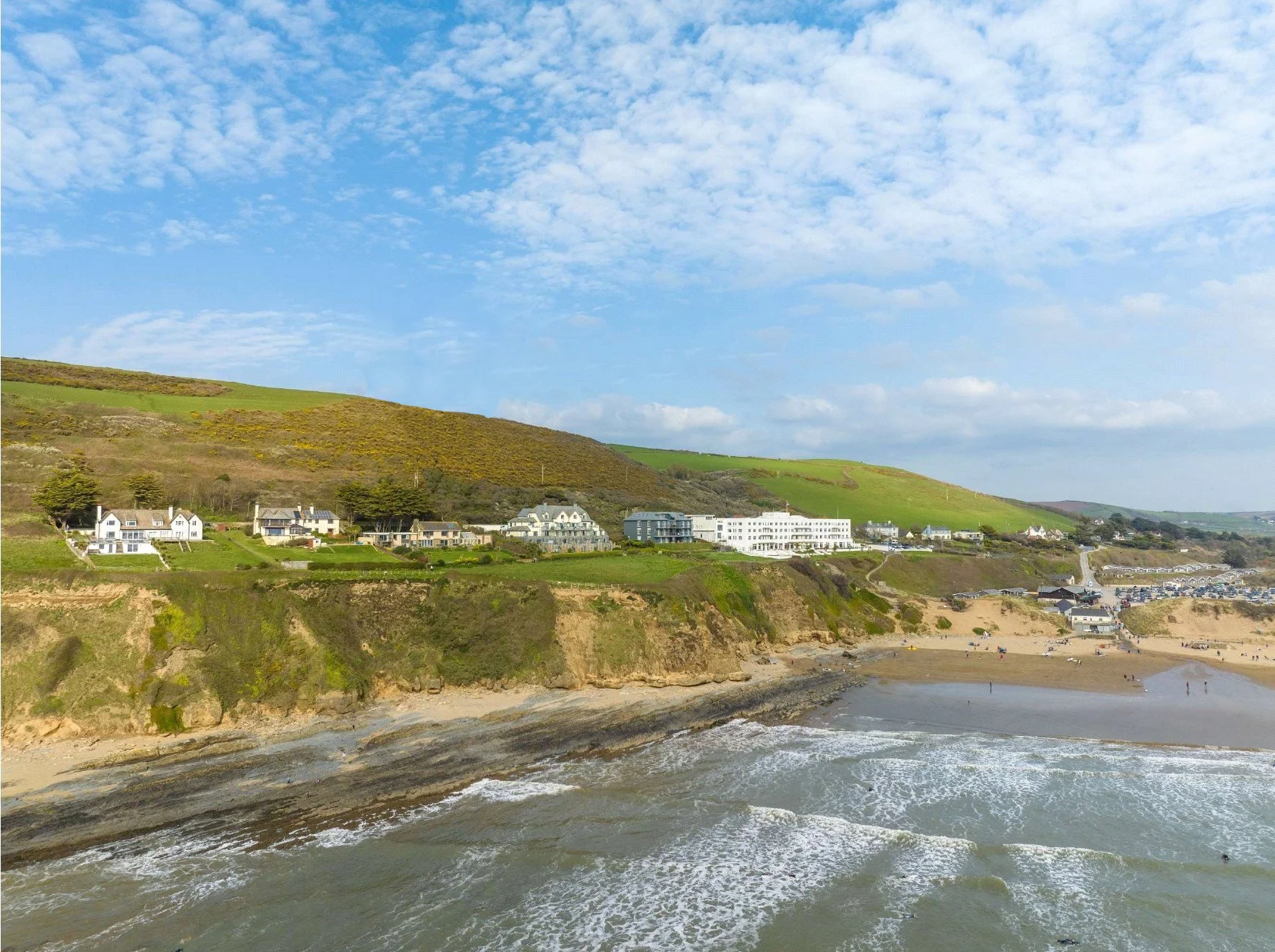
Some places have a significance that extends far beyond the boundaries of an individual property. Whether defined by dramatic coastlines, rolling countryside, historic landmarks or distinctive natural features, these are landscapes that people recognise, value and feel a connection to.
Designing within these settings is a privilege, but it also brings a particular responsibility.
When a building occupies a prominent or sensitive location, its influence is not limited to the people who live within it. It becomes part of the wider environment, experienced by neighbours, visitors and the local community. Its presence can shape how a place is perceived for decades, potentially becoming part of the area's visual identity for generations to come.
At AR Design Studio, we believe this is something that should fundamentally influence the way architecture is approached.
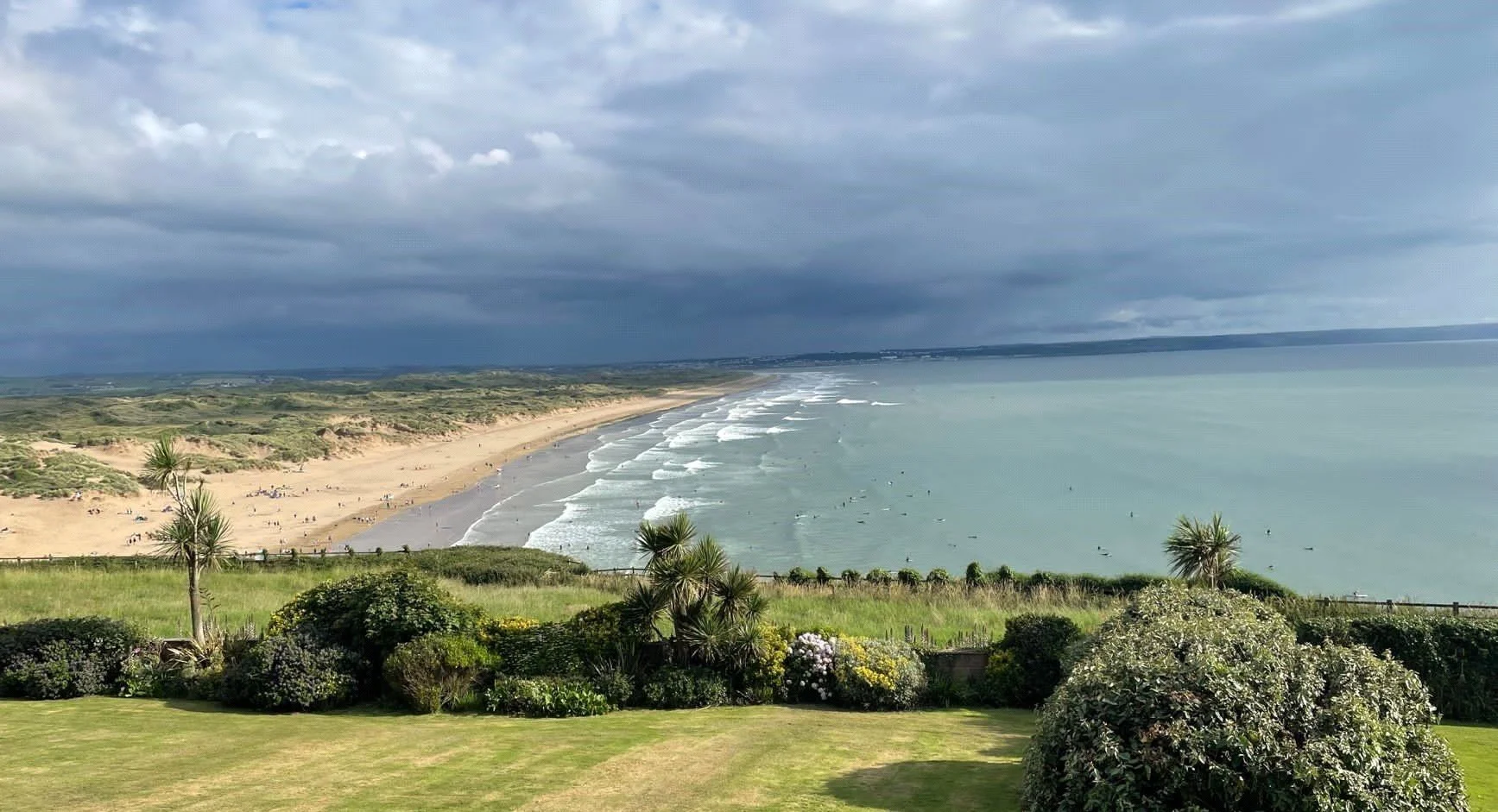
Looking Beyond the Site Boundary
It is easy to think of a building project in terms of its individual plot, its brief and the requirements of the people who will occupy it. However, some of the most important design considerations sit beyond the site boundary.
What does the surrounding landscape look like? How is the site experienced from the neighbouring roads, public footpaths and distant viewpoints? Are there established landscape features, historic buildings or natural characteristics that give the area its identity?
These questions help us understand the wider context in which a building will sit.
We look beyond the immediate site to consider how a proposal will be experienced as part of the landscape as a whole. This might mean carefully considering the positioning of a building, responding to changes in topography, retaining mature trees or framing views that make the location so special.
Sometimes the most successful design decision is not about what we introduce, but what we choose to preserve.
Letting the Landscape Shape the Architecture
We have always believed that good architecture should respond to its setting rather than impose itself upon it.
This doesn't necessarily mean creating buildings that imitate traditional architecture or disappear entirely into their surroundings. Contemporary architecture can make a positive contribution to even the most sensitive landscapes, provided it is informed by a genuine understanding of its context.
The relationship between landform, scale, materiality and landscape is fundamental to this process.
At Ferry House, for example, the natural topography of the site, its relationship with the River Avon and the long-distance views across the surrounding water meadows helped shape the architectural concept. The resulting three-winged arrangement responds to the landscape, allowing the building to sit comfortably within its wooded backdrop.
Similarly, at The Well House, the sloping landscape informed the decision to embed the building into the hillside. The combination of timber and brick helps the architecture relate to its surroundings, creating a home that feels grounded within its rural setting.
In both instances, the architecture begins with an understanding of the place rather than a predetermined idea of what a building should look like.
Understanding How a Building Will Be Seen
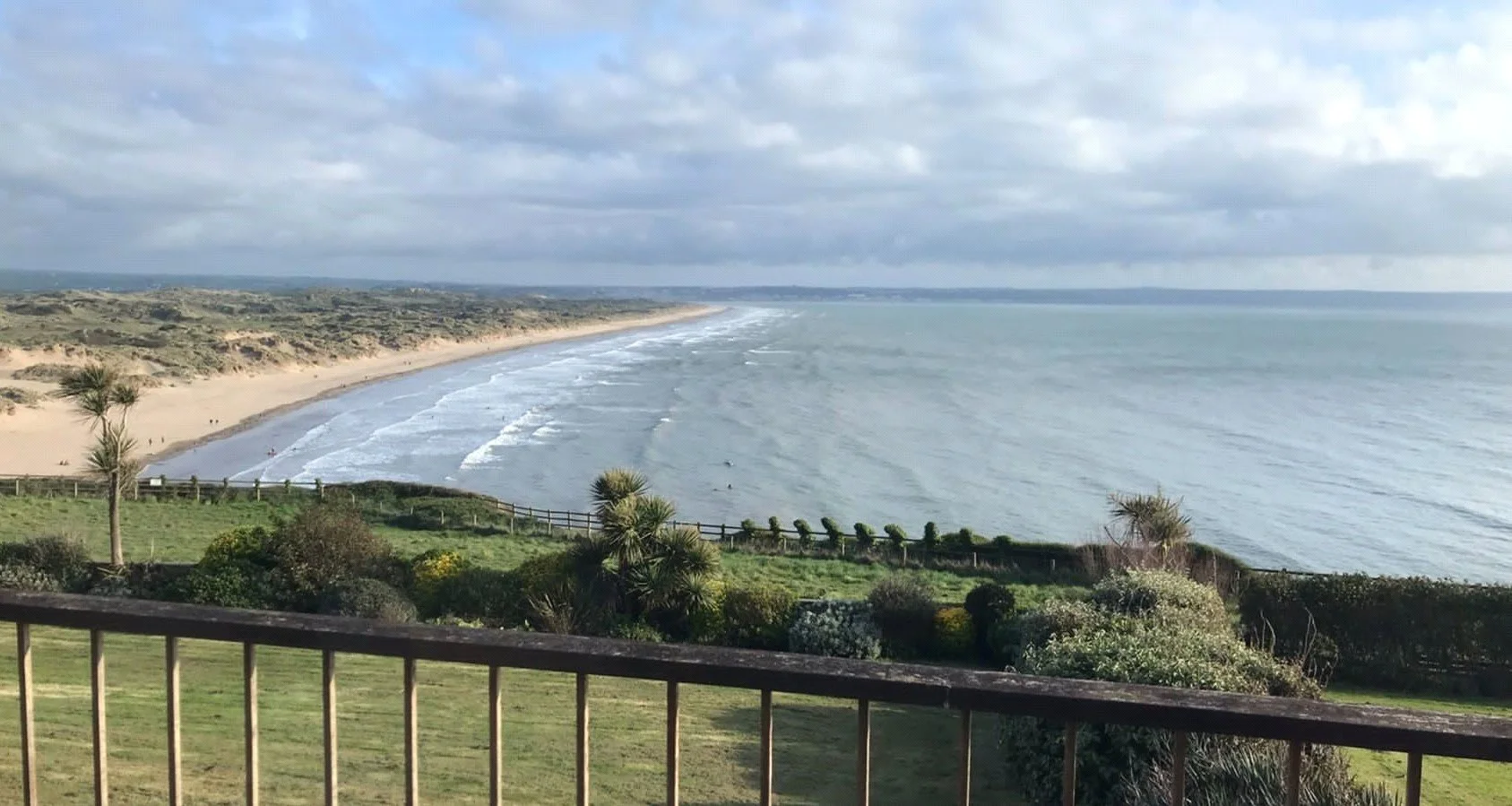
One of the most important considerations when designing within a distinctive landscape is understanding how a building will be experienced from different viewpoints.
A design that appears modest from within its own grounds may have a very different presence when viewed from a distant hillside, a public footpath or an approaching road.
We therefore consider the visual impact of a proposal from multiple perspectives, looking at its overall massing, rooflines, materials, positioning and relationship with existing vegetation.
Topography can play a particularly important role. A building carefully positioned within a slope may have a considerably softer visual presence than one placed prominently on higher ground. Equally, existing woodland, established trees and considered planting can help integrate architecture into its surroundings.
At Portland View, the steep hillside above Portland Harbour became an integral part of the design. Rather than treating the gradient as a constraint, three contemporary homes were carefully arranged to follow the natural slope. From the street, they appear relatively discreet, while opening up to expansive views and generous living spaces within.
It is this understanding of how architecture is experienced from both near and far that can make the difference between a building that simply occupies a site and one that genuinely belongs there.
The Landscape Is More Than a Backdrop
The relationship between architecture and landscape should extend well beyond the external appearance of a building.
The spaces between buildings, the approach to the entrance, the relationship with existing planting and the transition between inside and outside all contribute to the overall experience of a place.
Landscape design should therefore be considered alongside the architecture from the earliest stages of a project, rather than treated as something to address once the building has been designed.
This approach allows hard landscaping, planting, levels and external spaces to become part of a cohesive design concept.
It also provides opportunities to enhance the existing environment, whether through retaining mature trees, introducing native planting, improving biodiversity or creating stronger connections between the building and its surroundings.
Ultimately, the landscape should not simply frame the architecture. It should help define it.
Designing with the Future in Mind
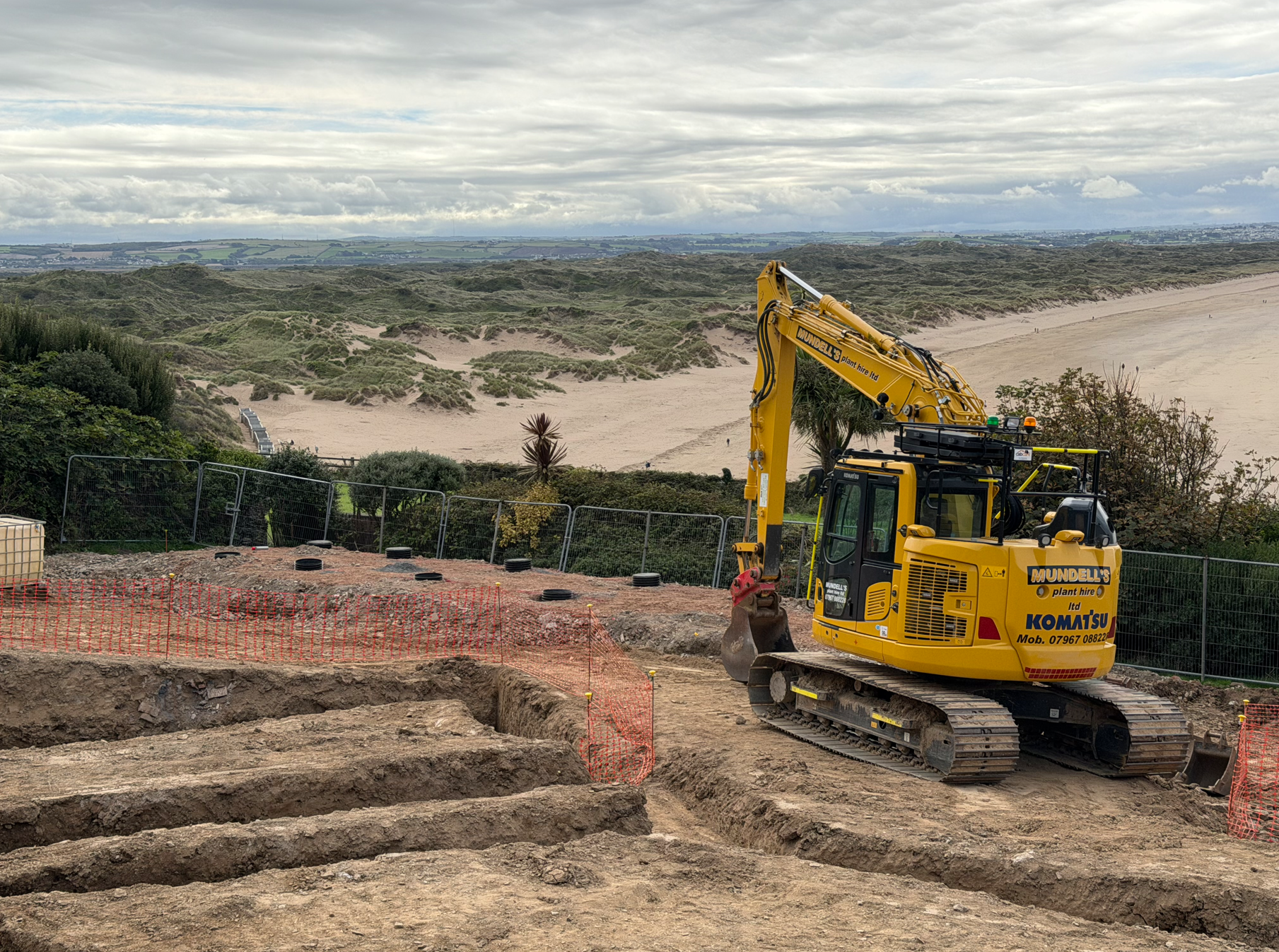
Buildings have a much longer lifespan than the design process that creates them.
The decisions made during the early stages of a project will influence how a building sits within its surroundings not just when it is completed, but over many decades.
Materials will weather, planting will mature, views may change and the landscape will continue to evolve. Good architecture needs to anticipate these changes.
We consider the longevity of materials, the durability of construction and the way the building will age alongside its environment. We also think about how a proposal might contribute positively to the character of an area over time.
This is particularly important in locations where the landscape is already valued and recognised. The ambition should never simply be to create something that looks impressive on completion, but to deliver architecture that continues to feel appropriate as its surroundings evolve.
A Responsibility We Take Seriously
Working in a distinctive and well-known landscape is something we consider a genuine privilege.
It offers opportunities to create architecture that is deeply connected to its surroundings, drawing inspiration from the qualities that make a particular place special. But it also demands careful thought, considered decisions and an appreciation of the wider impact of what we create.
At AR Design Studio, our approach is rooted in understanding the relationship between architecture, people and place. We believe that the most successful projects are those that respond to their setting with confidence and sensitivity, adding something meaningful without diminishing what was already there.
Because when a building becomes part of a landscape that is appreciated by so many, the responsibility extends far beyond the people who commissioned it.