Buying Land to Build a Bespoke Home, What Should You Look For?
Finding the right plot of land is the first step towards creating a truly individual home. But before falling in love with a view or imagining where the kitchen might sit, there are several important considerations that can make the difference between a straightforward project and a challenging one.
There is something particularly exciting about finding a piece of land with the potential to become your own home. Unlike buying an existing property, purchasing a plot gives you the opportunity to start with a blank canvas, creating a house that responds to the landscape, your lifestyle and the way you want to live.
However, not all plots are created equal. A beautiful setting does not necessarily make a suitable building plot, and land that initially appears to offer an exciting opportunity can come with planning, technical or financial constraints that are not immediately obvious.
At AR Design Studio, we believe the best bespoke homes begin with a strong understanding of their surroundings. Choosing the right plot is therefore about looking beyond its immediate appeal and understanding what it could realistically become.
Here are some of the key things to consider before buying land to build your bespoke home.
1. Understand the Planning Potential
Perhaps the most important consideration is whether you can actually build what you have in mind.
A plot being advertised as a building opportunity does not necessarily mean it has planning permission, or that the local planning authority will support your proposals. Even land with an existing planning permission may have restrictions that affect the size, position, appearance or layout of your future home.
Investigate the planning history and relevant local planning policies. Consider whether the land sits within a settlement boundary, conservation area, Green Belt, National Landscape or National Park, as each designation can introduce different constraints.
For those looking to build in the countryside, there may be opportunities through policies such as Paragraph 84 of the National Planning Policy Framework, which can support exceptional, high-quality homes in isolated rural locations.
An early conversation with an architect can help establish the planning potential of a site before you commit to purchasing it.
2. Look Beyond the Plot Boundaries
It is easy to focus on the land itself, but the surrounding landscape can have just as much influence on what you can build.
Consider the views, neighbouring properties, existing trees, topography and the relationship between the site and its surroundings.
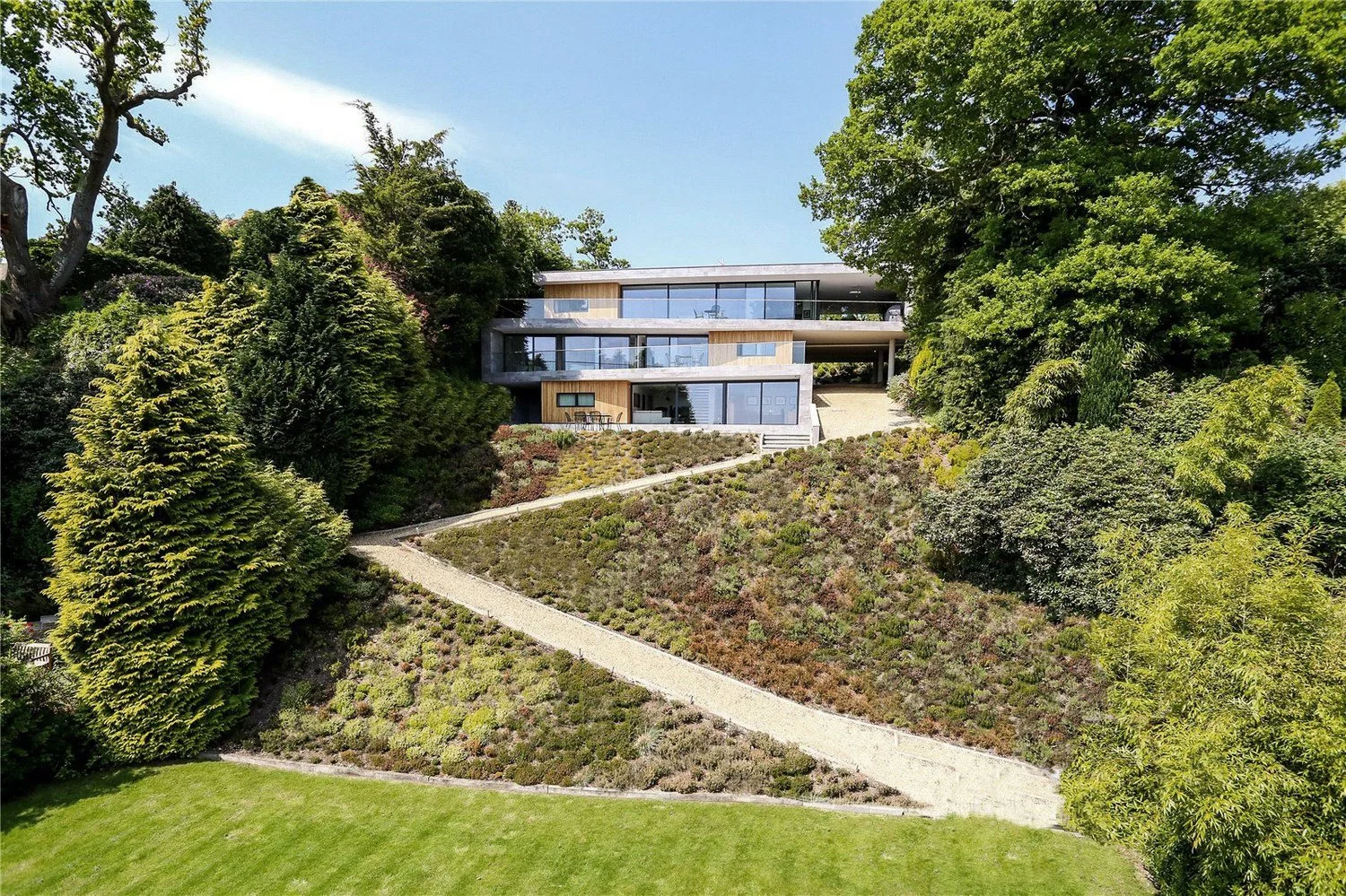
A sloping site might initially seem challenging, but it could create opportunities for split-level living, dramatic views and interesting architectural forms. Similarly, mature trees might offer privacy and a wonderful sense of enclosure, but also introduce restrictions on where development can take place.
Think about how the sun moves across the site throughout the day. The most successful bespoke homes respond to the unique characteristics of their setting rather than imposing a predetermined design onto the land.
3. Investigate Access, Services and Ground Conditions
A plot might look ideal, but how straightforward will it be to develop?
Establish whether there is suitable legal access, whether visibility splays are achievable and whether the highway authority is likely to support the proposed entrance.
You should also investigate the availability of essential services, including electricity, water, drainage, telecommunications and gas. Bringing utilities across neighbouring land or over significant distances can introduce considerable additional costs.
Ground conditions are equally important. Flood risk, soil stability, contamination, ecology and existing trees can all influence the design, construction methods and overall viability of a project.
None of these constraints necessarily mean a site is unsuitable, but understanding them early can help avoid unexpected costs further down the line.
4. Understand the True Cost of the Land
The purchase price is only one part of the overall investment.
A plot that appears inexpensive may require substantial expenditure before construction can even begin. Equally, a more expensive site with planning permission, established services and straightforward access could represent better value in the long term.
When assessing the financial viability of a plot, consider the wider development costs, including:
Land purchase and associated legal fees.
Planning application and consultant fees.
Architectural and engineering design fees.
Surveys, ground investigations and enabling works.
Utility connections and infrastructure.
Construction costs and contingency.
Landscaping, boundary treatments and external works.
We would always recommend establishing an overall project budget before purchasing land. This allows you to work backwards and understand how much you can realistically afford to spend on the plot itself.
5. Consider the Design Opportunities
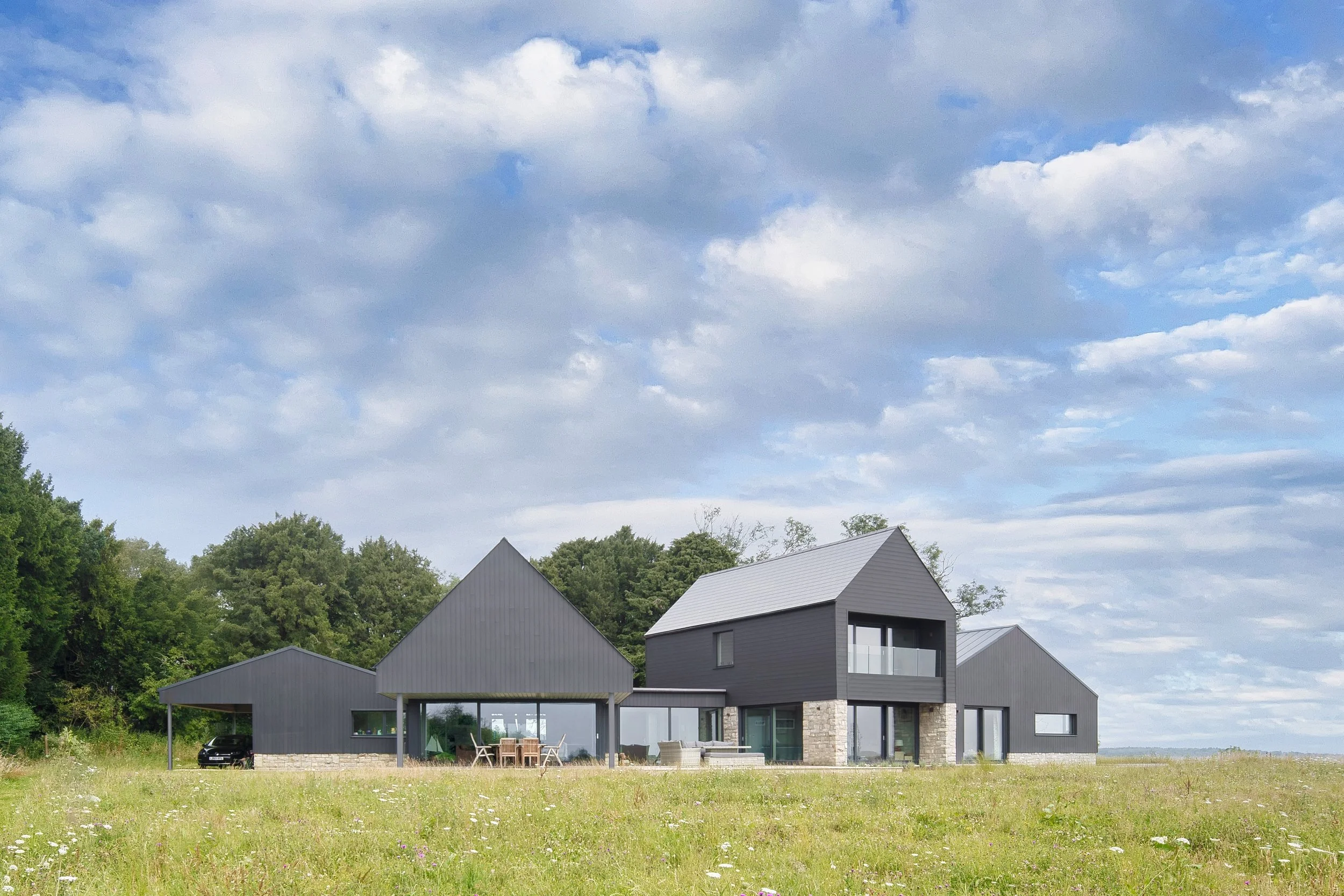
One of the greatest advantages of building a bespoke home is the ability to design around the way you want to live.
However, the best plots are not necessarily the largest or those with the most obvious building opportunities. Sometimes an unusual site can offer the greatest architectural potential.
Consider how the land might influence the design:
Orientation: How could the building be positioned to maximise natural daylight?
Views and privacy: Could glazing frame particular views, or could the house be arranged around a private courtyard?
Relationship with the landscape: Could the house sit naturally within the existing topography?
Indoor-outdoor living: Is there an opportunity for sheltered terraces and a seamless connection between the interior and garden?
Future flexibility: Will the plot accommodate garages, home offices, guest accommodation or other requirements?
These are the kinds of questions that an architect can help you explore before you commit to a purchase.
6. Check the Legal Restrictions and Speak to an Architect
Before purchasing, it is important to establish whether there are any legal restrictions that could affect your plans.
Instruct a solicitor experienced in land purchases to investigate the title and identify potential issues, including restrictive covenants, rights of way, easements, overage agreements and boundary ownership.
Alongside this, we would strongly recommend speaking to an architect before committing to the land.
An initial site assessment or feasibility study can help identify planning constraints, explore potential building footprints and consider how your brief might be accommodated within the site.
At AR Design Studio, we often find that an early design discussion can reveal opportunities that might otherwise be overlooked, as well as highlighting potential issues that could influence the decision to purchase.
A feasibility study is not a guarantee of planning permission, but it can provide a valuable foundation for making an informed decision.
Finding the Right Plot Is the Start of the Design Process
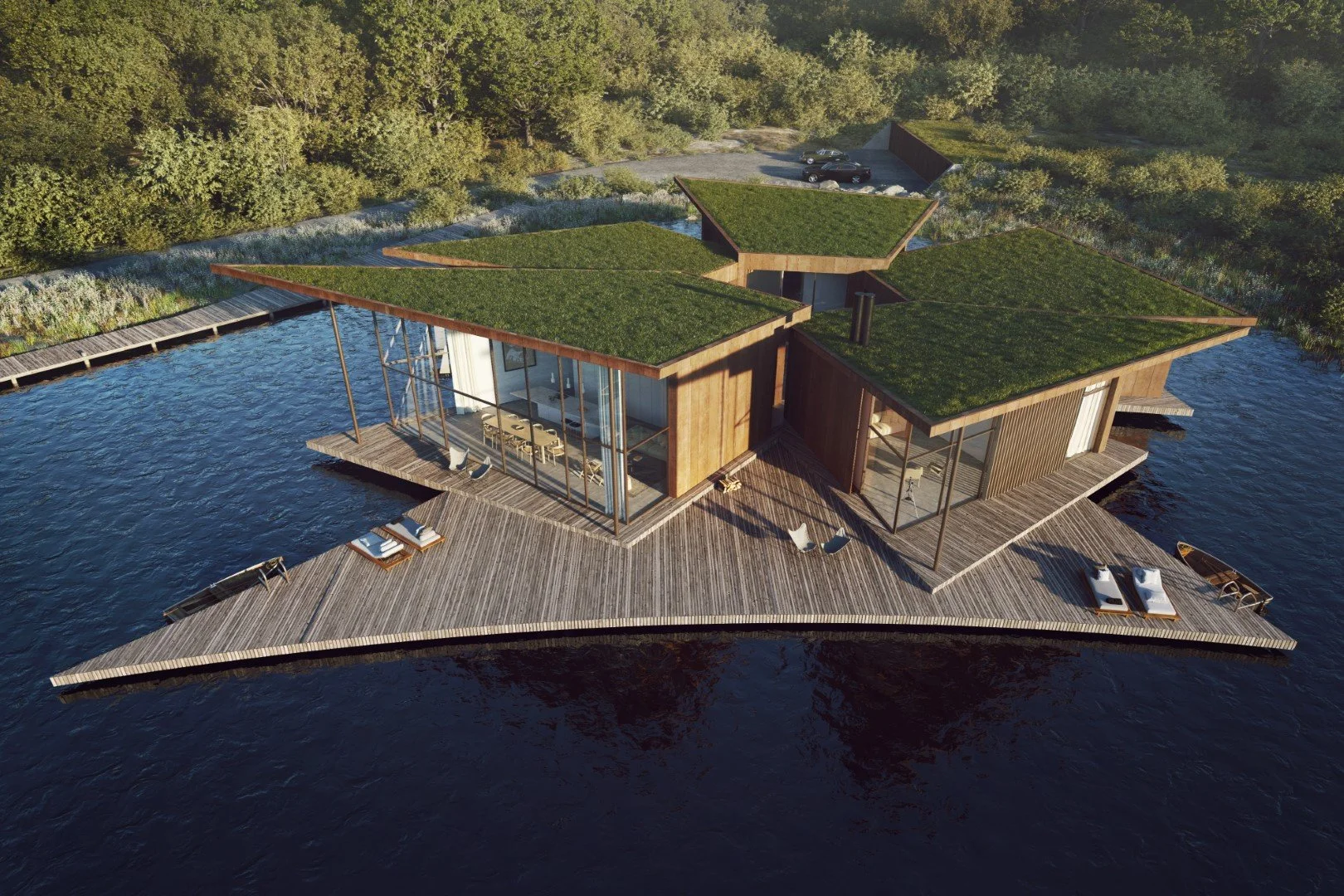
Buying land to build a bespoke home is an exciting opportunity, but it is also a significant investment. The right plot should offer more than simply enough space to accommodate a house. It should provide the opportunity to create something that responds to its surroundings, makes the most of its setting and supports the way you want to live.
A challenging site can sometimes produce the most rewarding architecture, while a seemingly straightforward plot can present unexpected restrictions.
At AR Design Studio, we believe great architecture starts with the landscape, not the building. By understanding the opportunities and constraints from the outset, we can help unlock a site's potential and create a home that feels as though it truly belongs there.