
Natural Materials and Modern Design
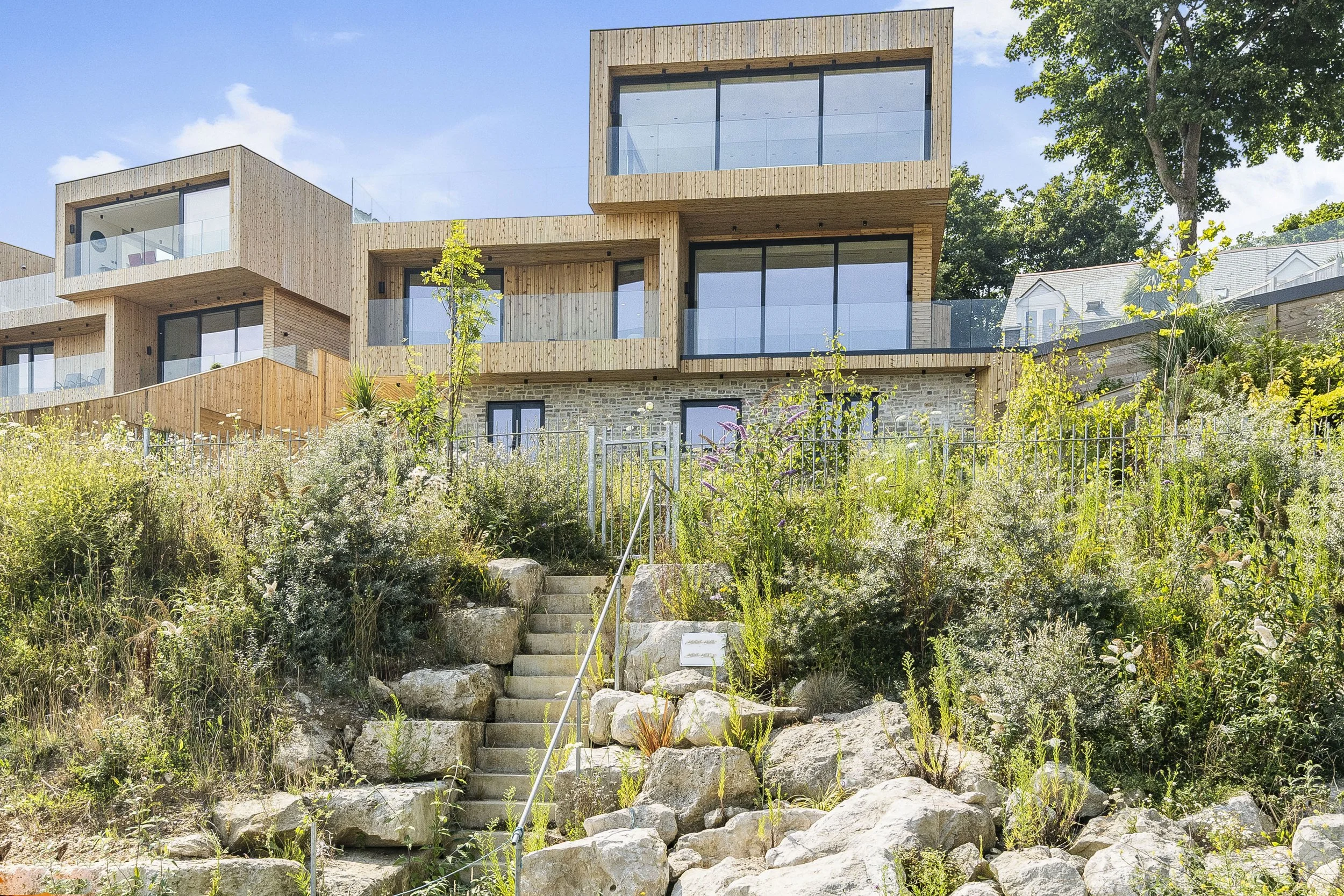
Modern architecture is often associated with clean lines, large areas of glass and a restrained material palette. But contemporary design doesn’t have to mean cold or minimal. Some of the most successful modern homes are those that balance architectural clarity with the warmth, texture and character of natural materials.
At AR Design Studio, material selection is considered from the earliest stages of a project. Rather than being an afterthought, materials help shape how a home feels, how it sits within its surroundings and how it changes over time.
Creating warmth through material
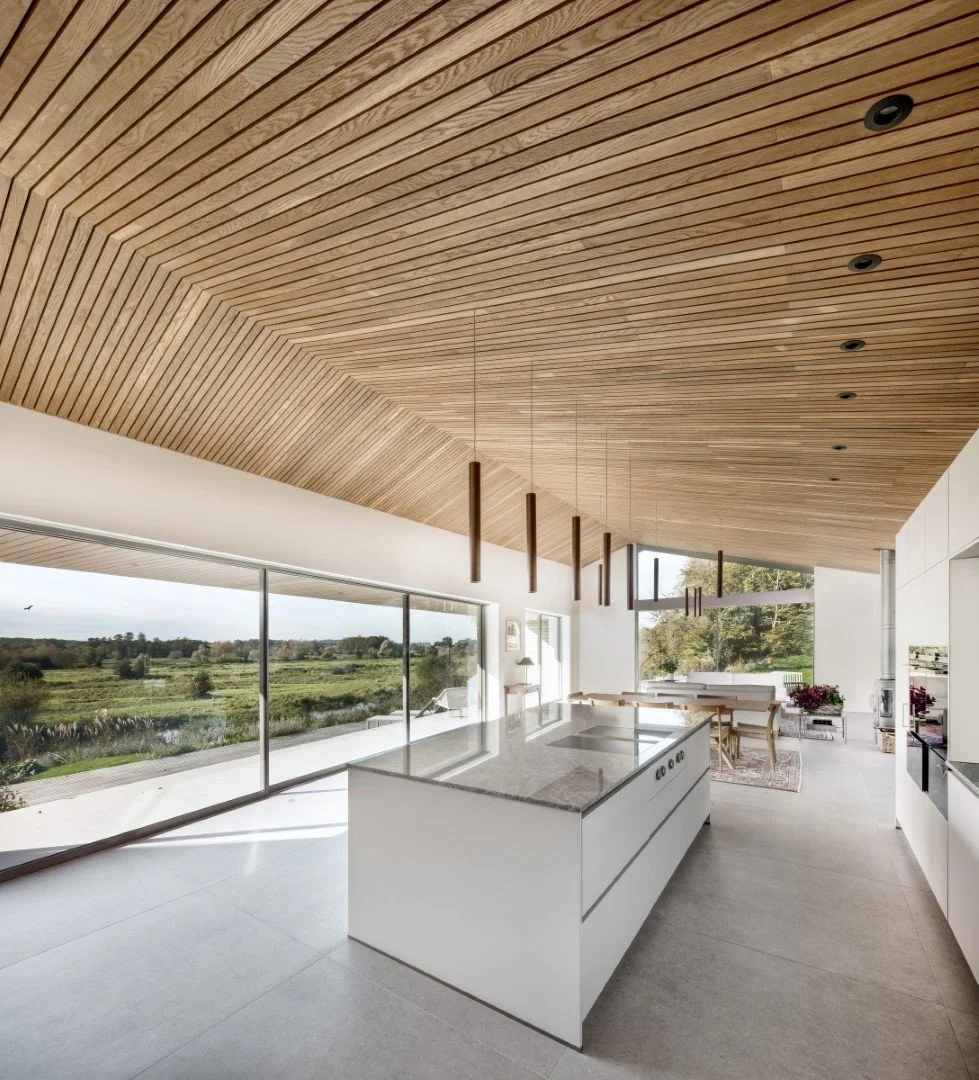
Natural materials bring an inherent sense of warmth to contemporary spaces. Timber, stone, brick and natural plaster each introduce texture and variation that can soften more architectural forms.
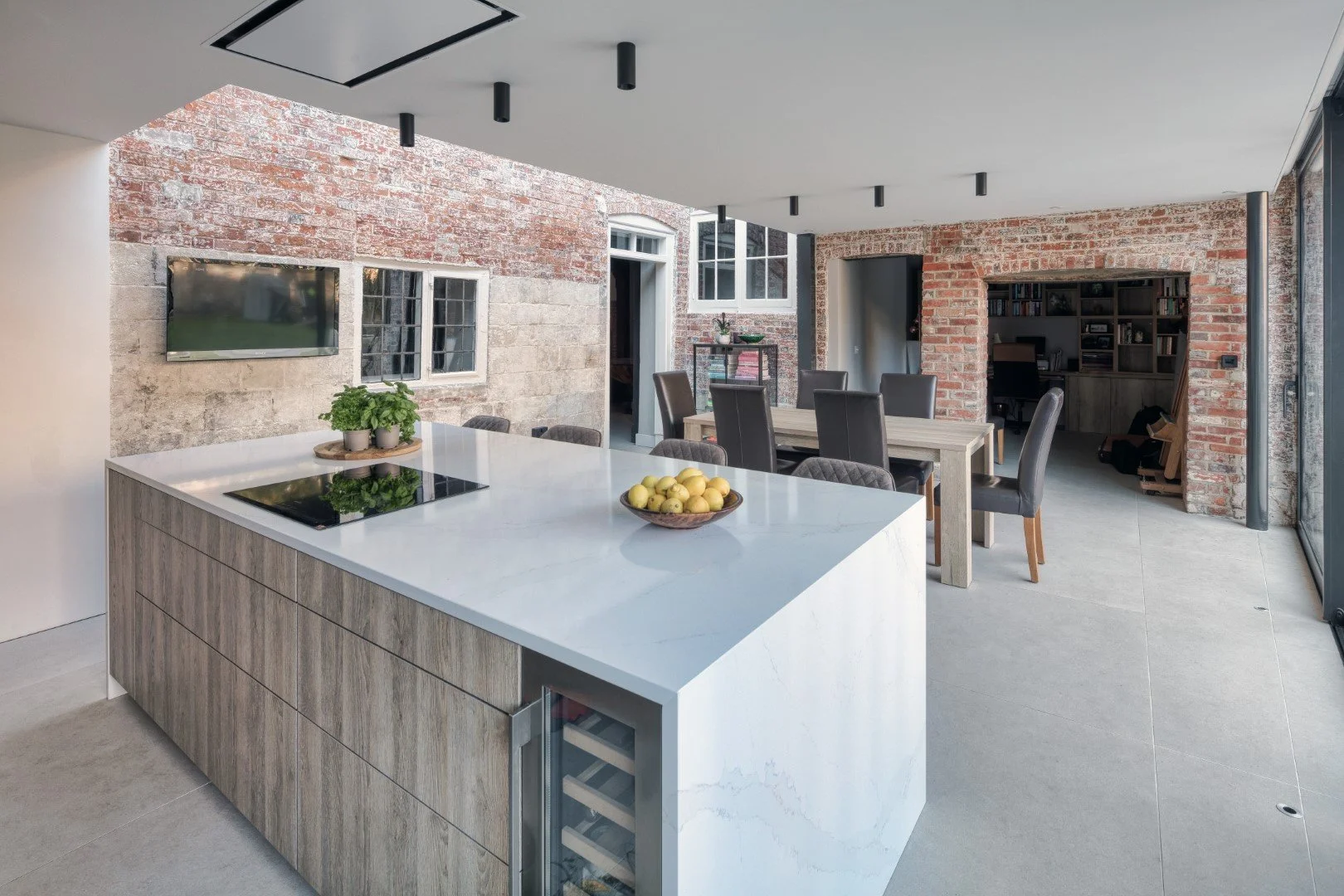
Timber can bring warmth and tactility to clean-lined interiors, while stone can provide weight and permanence. Used together, contrasting materials create depth without relying on excessive decoration.
The aim is not to use natural materials simply because they are natural, but to understand what each material brings to the architecture and how it contributes to the overall experience of the home.
Responding to the setting
Material choices can also help a building feel connected to its surroundings.
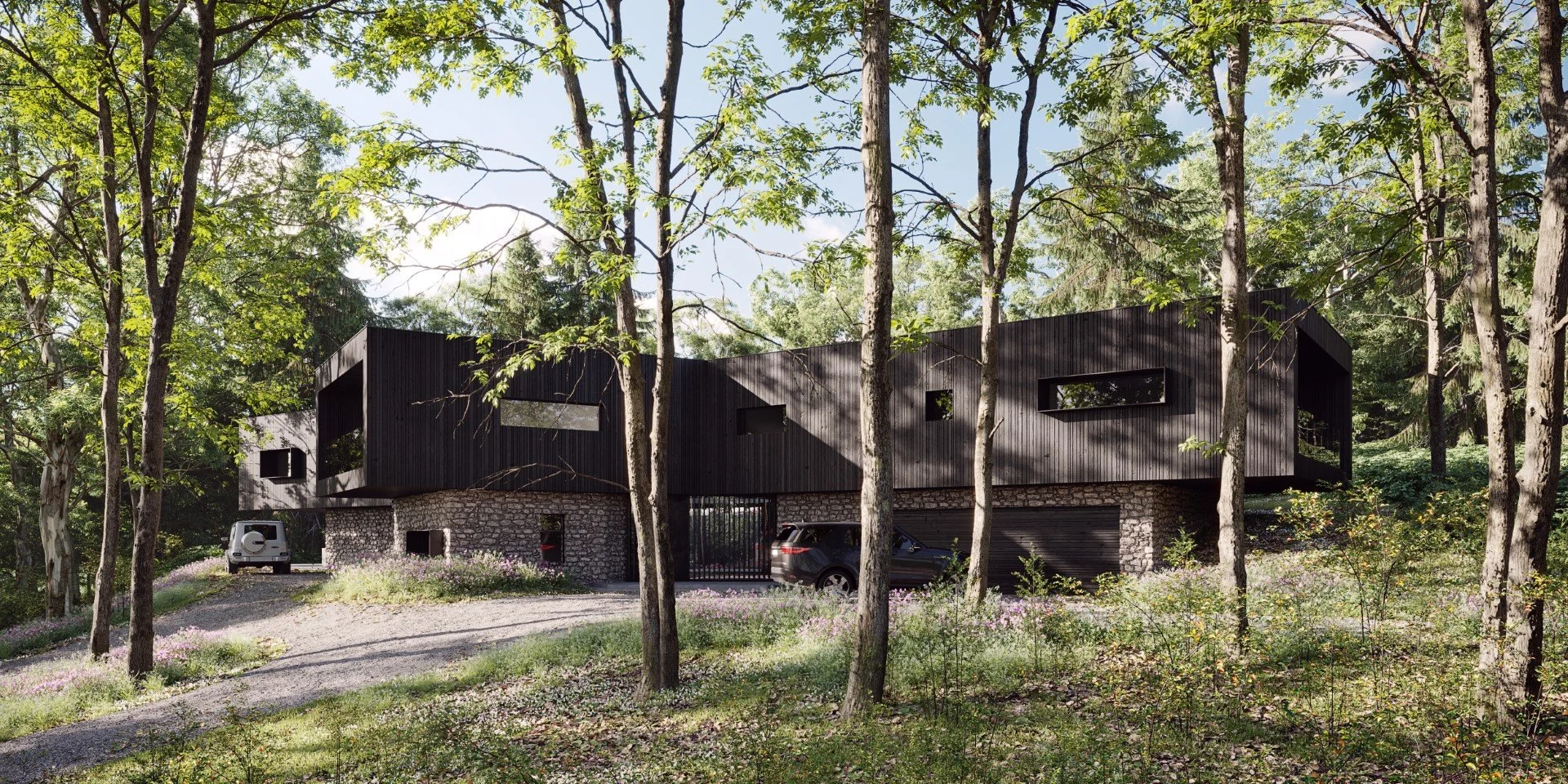
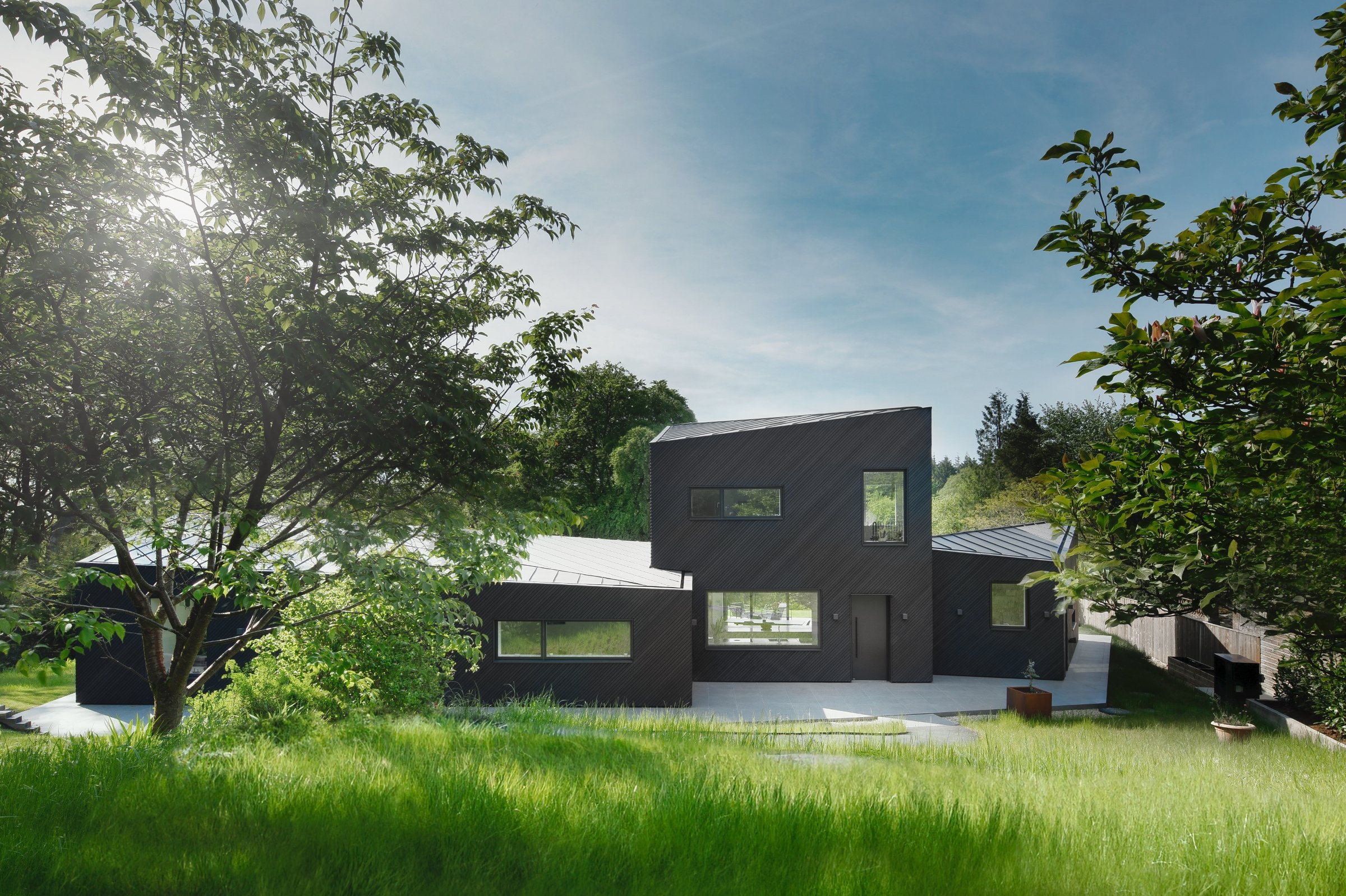
The colour, texture and character of local materials can inform a home's relationship with its landscape, allowing contemporary architecture to feel considered rather than imposed. Stone might echo the geology of a site, timber can complement surrounding woodland, while carefully chosen brick can connect a new building to the character of an existing area.
This is particularly important when designing in sensitive or rural settings, where the relationship between architecture and landscape is often as important as the building itself.
Contrast creates character
Natural materials don't have to be used in a traditional way.
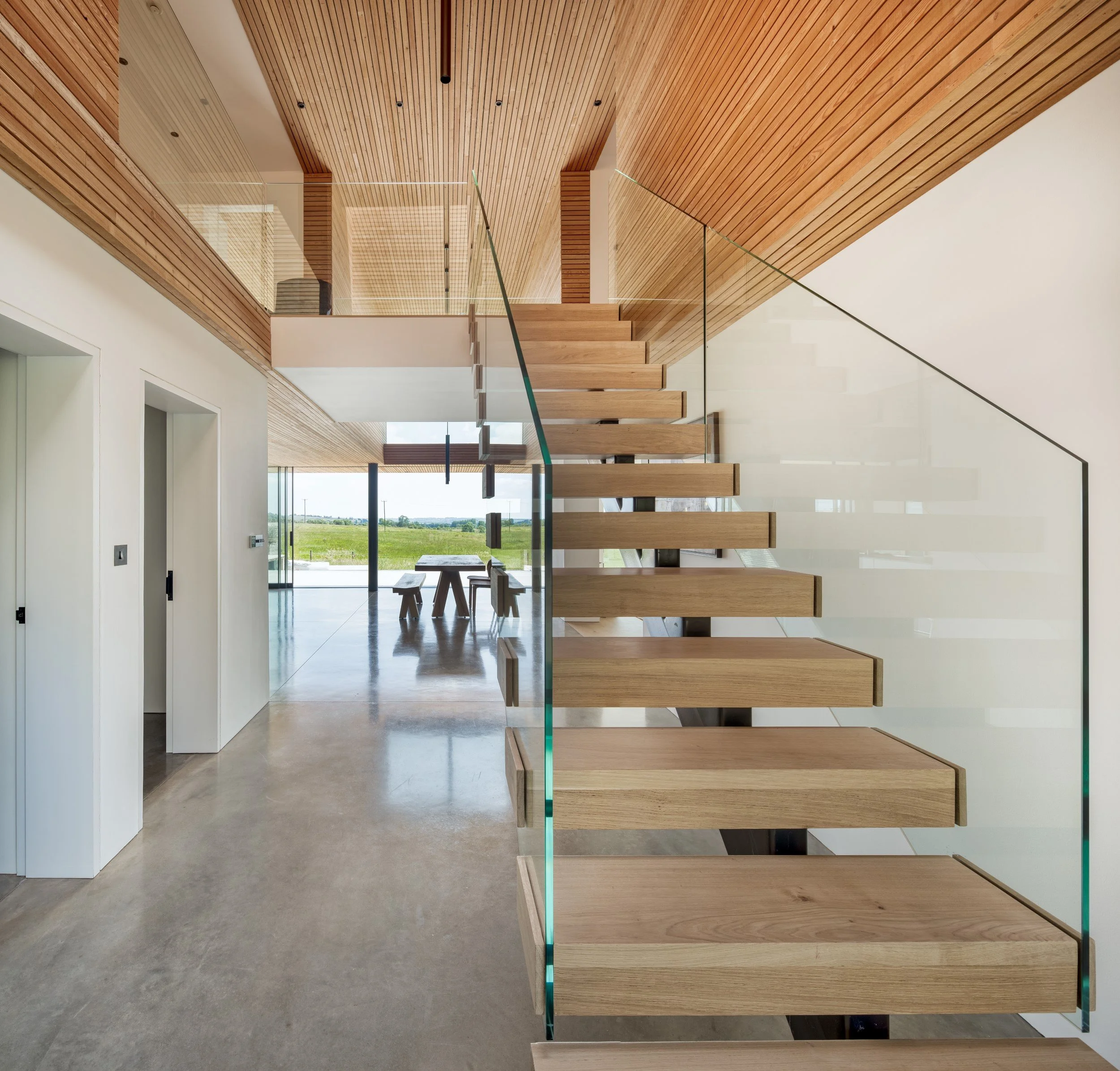
Part of the appeal of contemporary architecture is the opportunity to contrast materials, textures and finishes. Smooth concrete against tactile timber. Rough stone alongside crisp plaster. Dark metal framing warm oak. Large areas of glass opening onto a textured landscape.
These contrasts create visual interest while keeping the overall architecture restrained.
For AR, detailing is key. The junction between two materials, the depth of a reveal or the way a material continues from inside to outside can have as much impact as the materials themselves.
Designing to last
Natural materials also have a quality that becomes increasingly important over time: they can age.
Stone develops patina. Timber changes colour. Brick weathers. These subtle changes can add character rather than detract from the original design.
Good material choices therefore aren't just about how a house looks when it is finished. They are about how it will look and feel years later.
This is where materiality becomes part of a wider architectural approach. A considered palette can help create homes that feel timeless without being traditional, and contemporary without feeling overly stark.
Modern, but not cold
The most successful contemporary homes are often those that balance simplicity with richness.
Natural materials allow architecture to remain clean and modern while introducing the warmth, texture and individuality that make a house feel like a home. They connect the building to its setting, create a more tactile experience and allow the architecture to evolve naturally over time.
For AR Design Studio, modern design is not about stripping everything back. It is about making deliberate choices — from the overall form of the building to the smallest material junction — to create architecture that feels considered, enduring and connected to its place.