
Why Great Houses Don't Always Need More Space
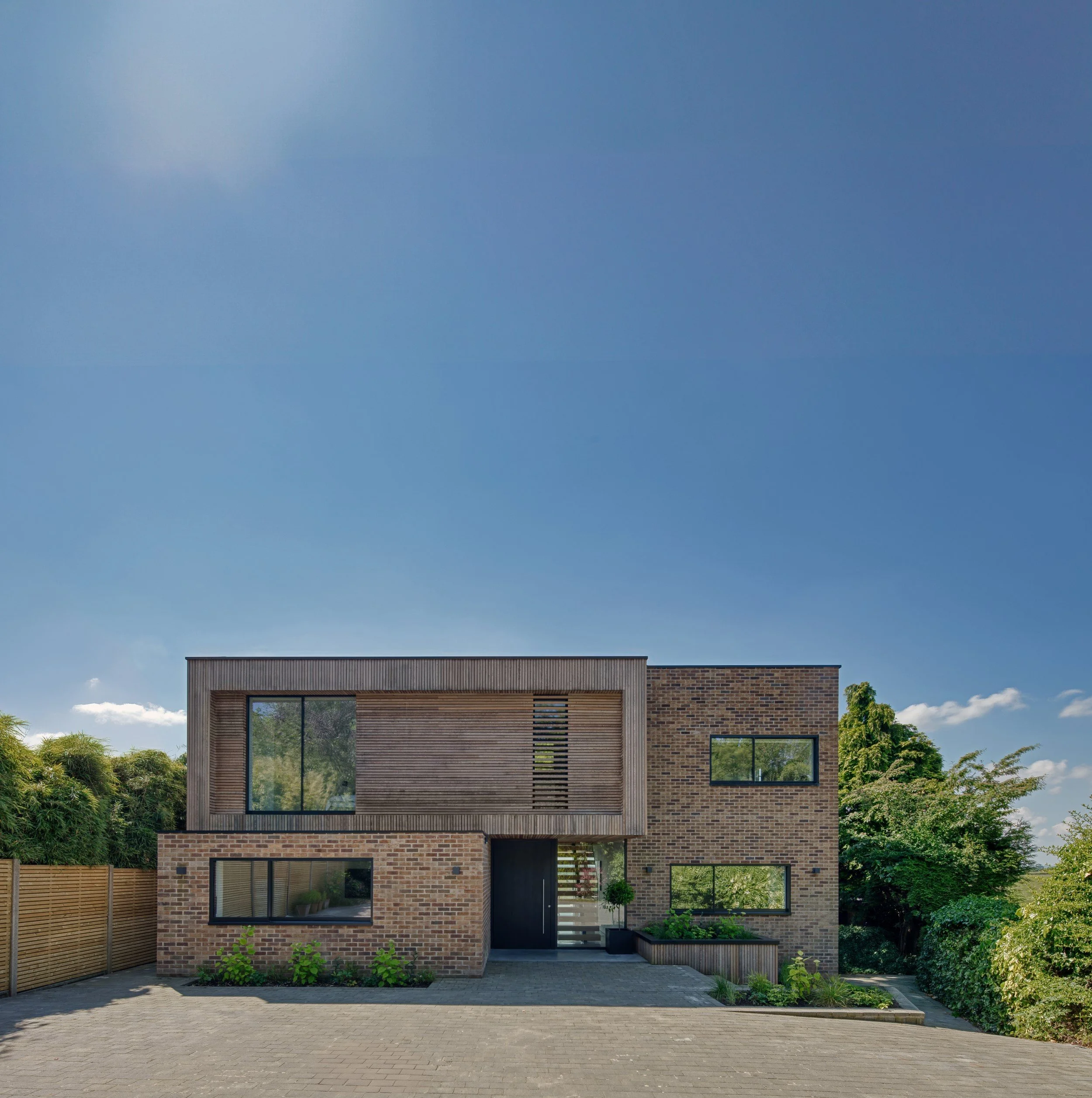
When people decide that their home no longer works for them, the first instinct is often to ask:
How can we make it bigger?
A larger kitchen.
Another bedroom.
A bigger living room.
More storage.
A larger extension.
But more space isn't always the answer. Sometimes the problem isn't that a house is too small.
It's that the space isn't working hard enough.
At AR Design Studio, we often begin projects by asking a different question:
How could this house work better?
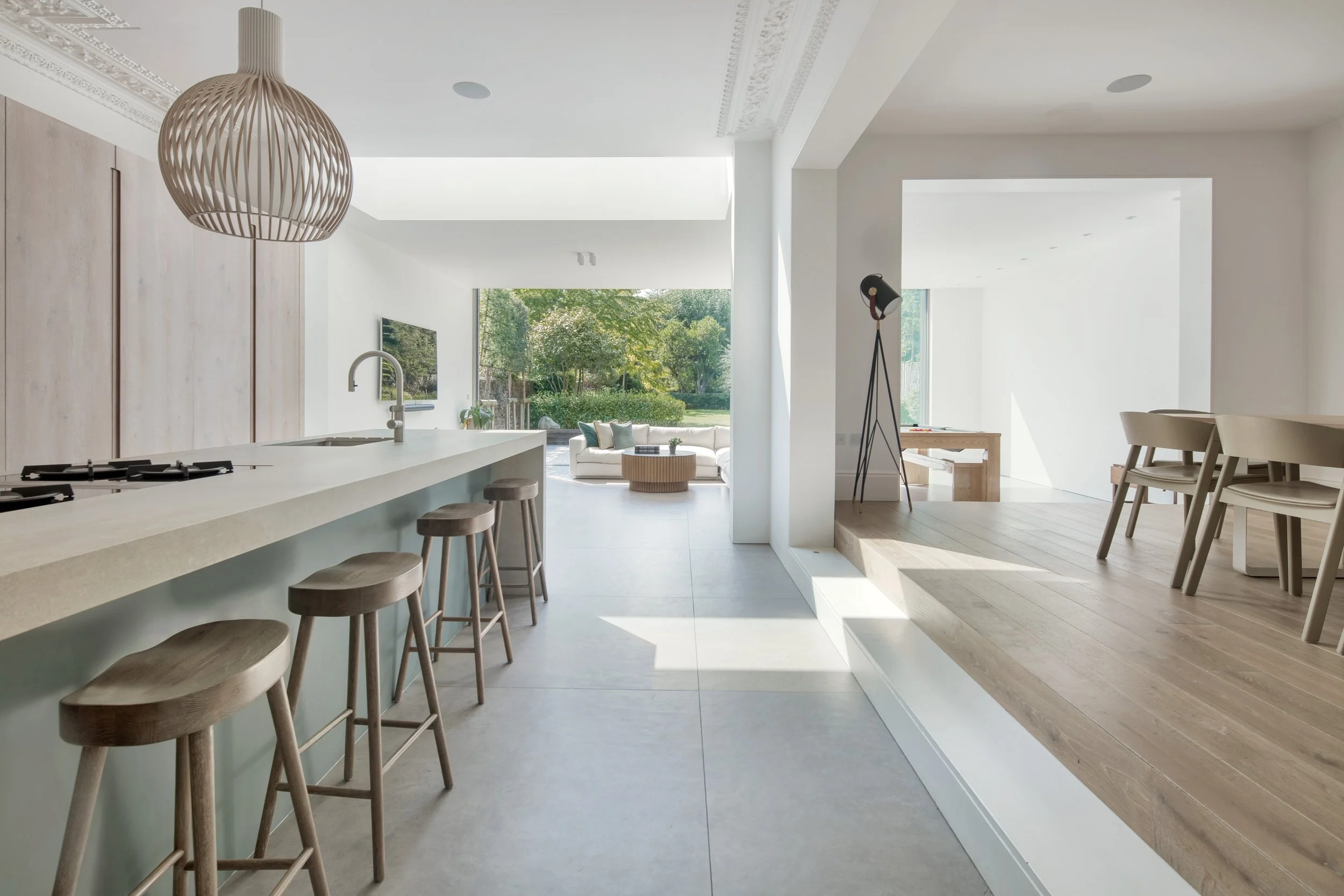
More square metres aren't necessarily better
A house can have plenty of floor area and still feel cramped, disconnected or difficult to live in.
Perhaps the kitchen is separated from the garden. Perhaps circulation takes up too much space. Perhaps rooms are poorly proportioned. Perhaps natural light doesn't reach the parts of the house that are used most. Or perhaps everyone ends up gathering in one room, while the rest of the house remains empty.
Adding another room might not solve any of these problems.
Good design starts by understanding how the house is actually being used.
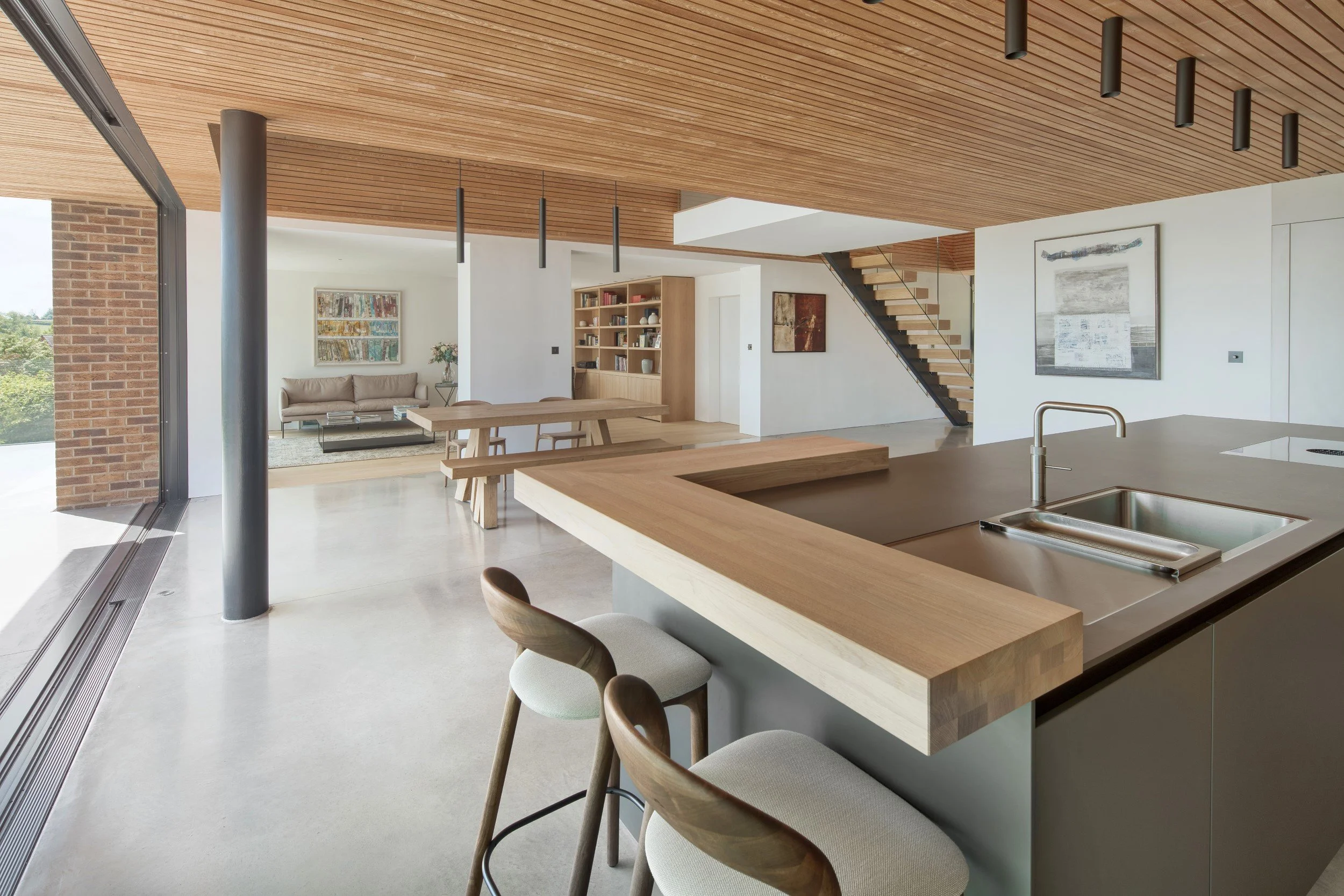
Make the existing space work harder
Before extending, it is worth looking carefully at what already exists.
Could two small rooms become one better space? Could a corridor become useful storage? Could a poorly positioned doorway be moved? Could a darker part of the house become a more private space while the brighter areas become the social heart of the home? Could an existing room be opened towards the garden?
Small changes can sometimes transform the way a house feels without adding significant floor area. The aim isn't necessarily to use every available square metre. It's to make every square metre count.
The garden can be part of the answer
One of the biggest opportunities in residential design is the relationship between the house and its surroundings.
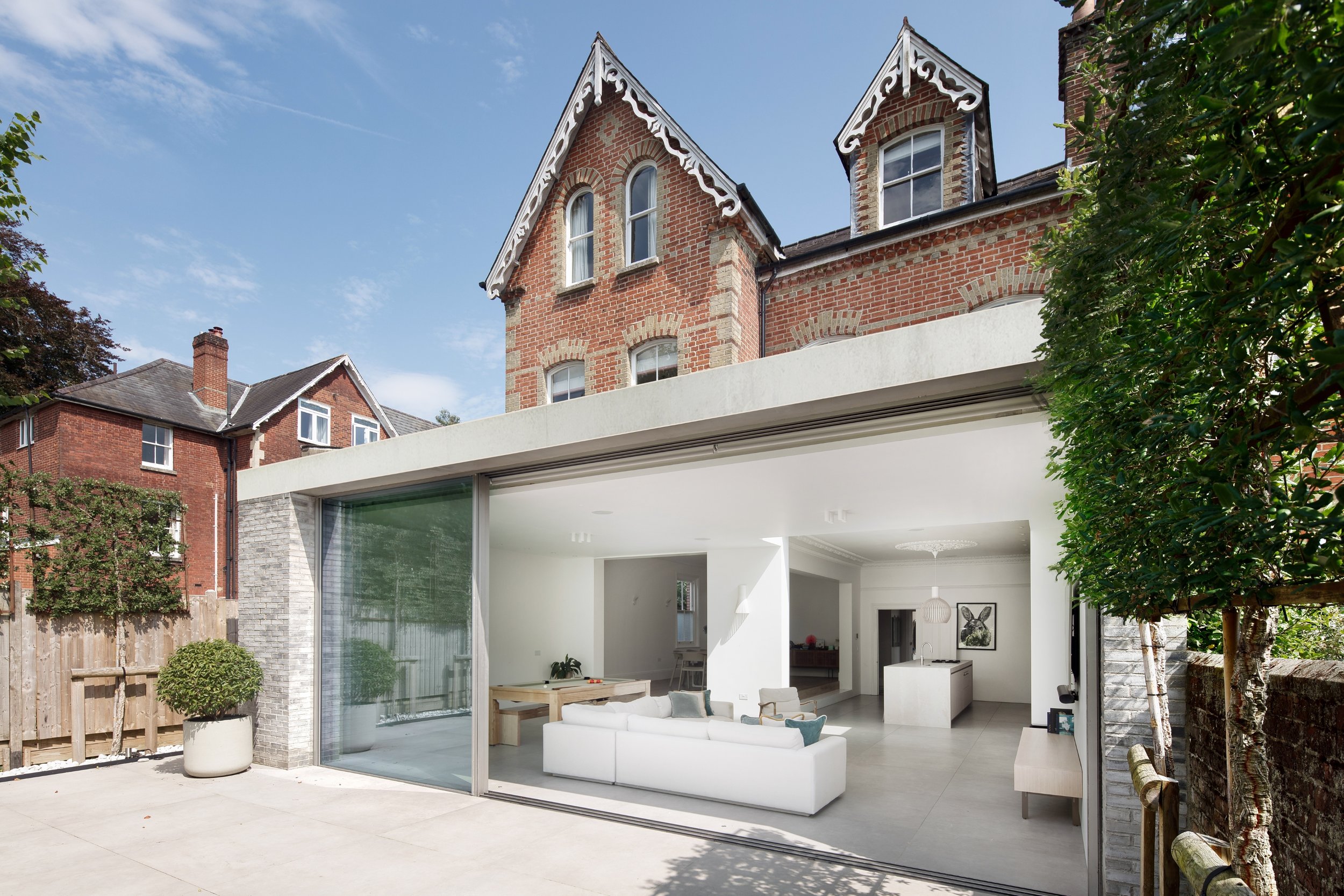
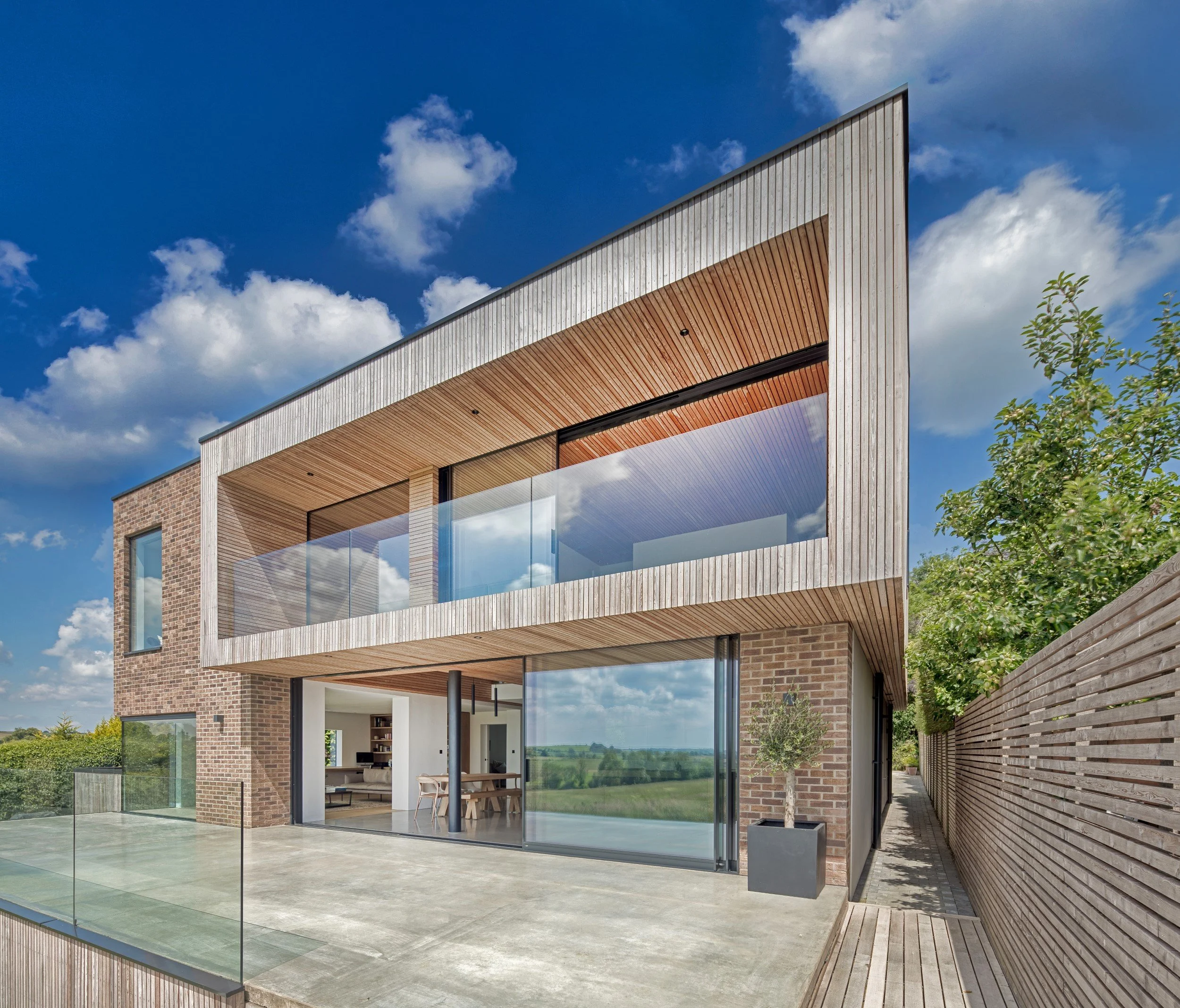
A home can feel significantly larger when internal spaces connect naturally with a garden, terrace, courtyard or wider landscape.
Large areas of glazing can bring views and daylight into the home. Carefully positioned doors can extend circulation into the garden. Covered terraces can create another layer of living space.
And a well-designed threshold between inside and outside can make both feel more generous.
The result isn't necessarily a larger house. It is a house that feels larger.
Extension doesn't have to mean addition
When an extension is appropriate, we don't believe it should simply be an extra box attached to the side of an existing building.
The best extensions can reorganise the way the whole house works.
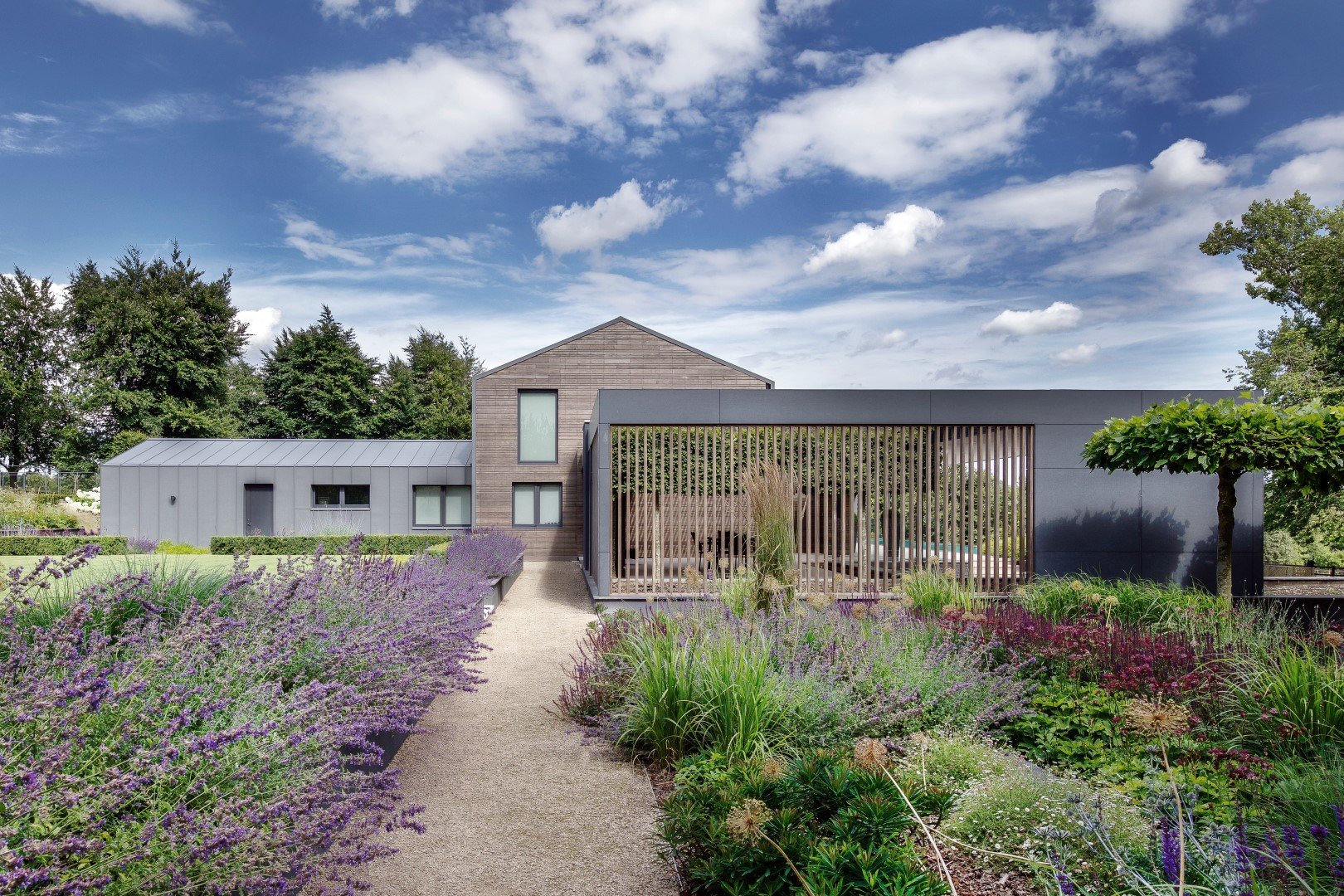
At Farmer's House, for example, the existing home was extended to create a self-contained annexe for the clients' children and grandchildren. Rather than treating the extension as an isolated addition, the new and existing parts of the house were brought together through a glazed link and a unified architectural language.
A large canopy connects the different parts of the house and creates sheltered outdoor spaces, while a subterranean level accommodates additional accommodation without visually overwhelming the existing building.
The result is not simply more house. It is a better relationship between the old, the new and the landscape.
Sometimes less is more
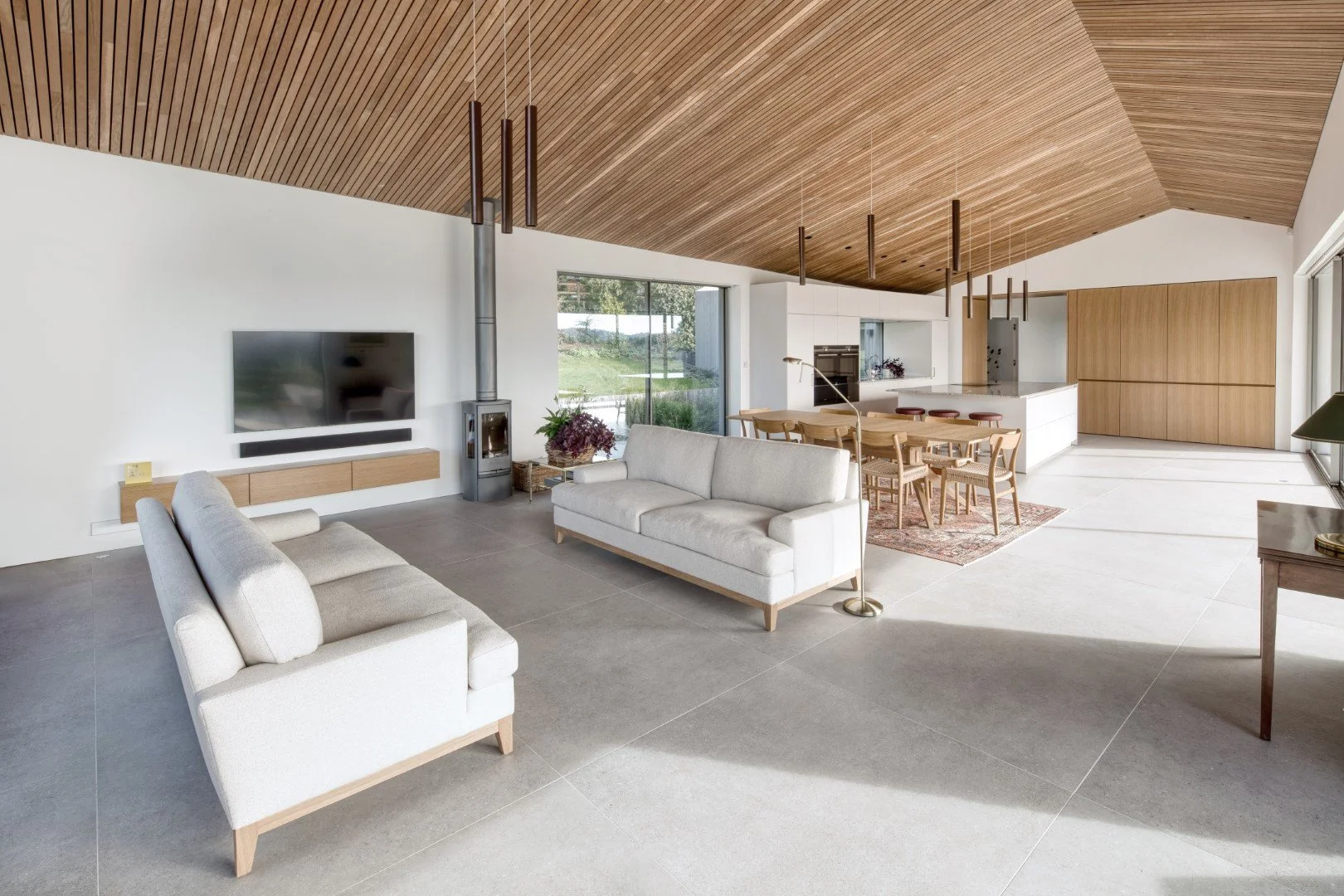
There is also value in restraint. A successful project doesn't have to maximise the footprint of a site. It might instead remove something. Simplify something. Reorganise something. Or deliberately leave something untouched.
Existing trees might be retained. A garden might be protected. An original façade might be preserved. An awkward room might be transformed rather than demolished.
These decisions can produce architecture that feels more considered and more connected to its surroundings.
Design for how you actually live
The most useful question isn't:
"How many square metres do we need?"
It is:
"What do we want our home to allow us to do?"
Do you want to cook while talking to your family? Do you want children to have somewhere to play without being isolated? Do you want to work from home? Do you want to entertain? Do you want somewhere quiet to retreat? Do you want to spend more time outside? Do you want the house to work differently in summer and winter?
These questions tell us much more about a project than a list of room sizes.
The best house might be the one you already have
For some clients, a new build will be the right answer. For others, a carefully considered extension and refurbishment will unlock the potential of an existing property.
There is no universal solution. The important thing is to understand the opportunities before deciding what to build.
At AR Design Studio, we believe architecture should solve problems rather than simply add space.
Sometimes the answer is a bigger house.
But sometimes the answer is a better one.
And there is a big difference.